Low FODMAP Vegetables: 40+ Safe Veggies with Serving Notes
Vegetables are the trickiest food group on a low FODMAP diet — some are safe in unlimited amounts, others trigger IBS in just a single tablespoon. Here's the complete, dietitian-vetted list with exact portions, swap charts, and the IBS-safe way to cook without garlic or onion.
Why Vegetables Are the Hardest Part of the Low FODMAP Diet
Most patients new to the low FODMAP diet are shocked to learn that "healthy" vegetables like garlic, onion, cauliflower, mushrooms, and asparagus are some of the worst IBS triggers — while sugar (sucrose), white rice, and potato chips are perfectly fine. The reason: vegetables are loaded with fructans, GOS, and polyols, the three FODMAP groups most responsible for bloating, gas, and abdominal pain.
The good news is that more than 40 vegetables are low FODMAP at usable portions, and the rest can almost always be swapped 1:1. Master the chart below, learn the garlic-infused oil trick, and you'll cook flavorful meals without setting off symptoms.
The 4 Rules for Low FODMAP Vegetables
Rule 1 — Portion is everything. Even safe vegetables become high FODMAP if you stack them. Half a zucchini, half a cup of spinach, and a whole tomato in the same meal is fine; doubling each is not.
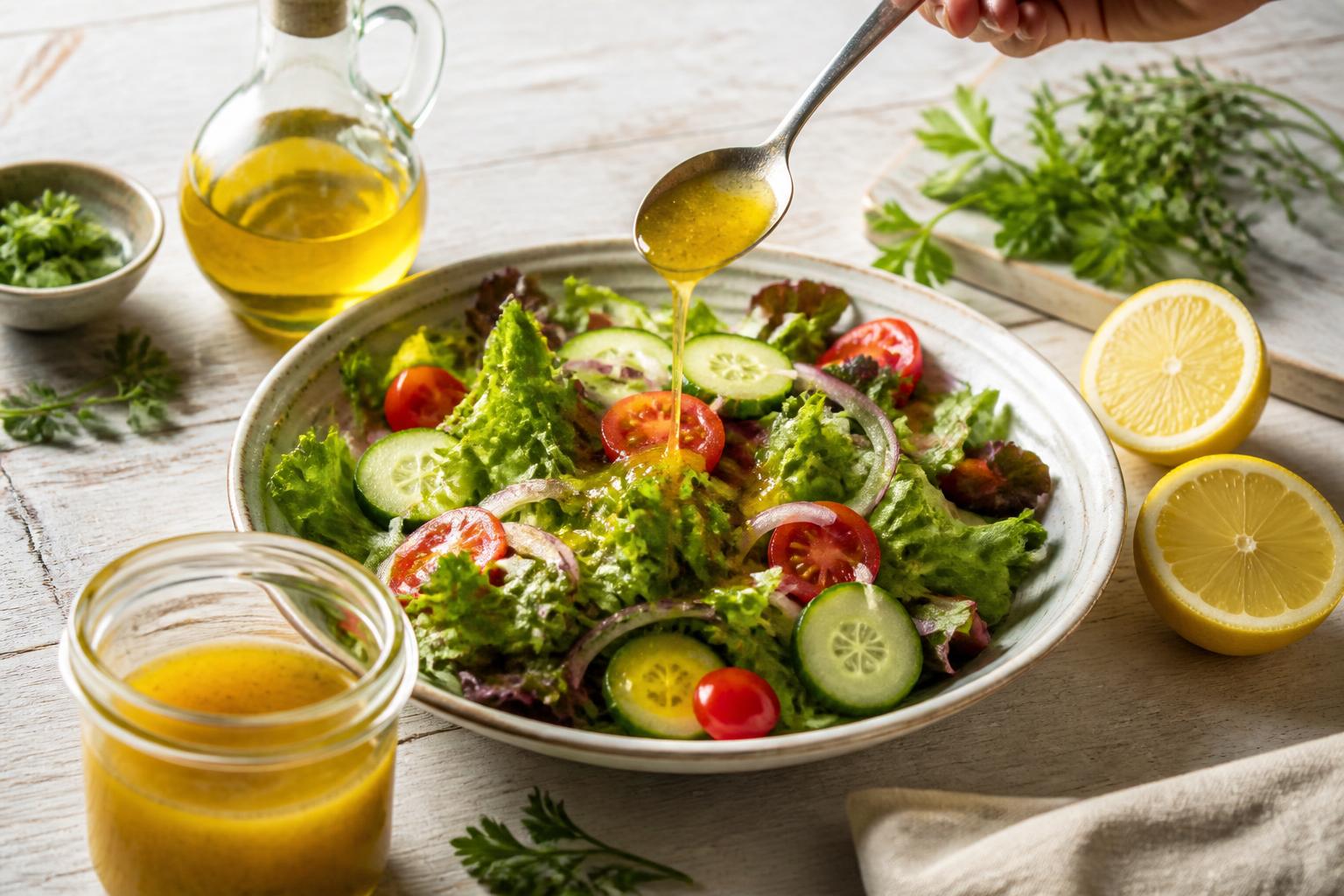
Rule 2 — Garlic-infused oil is the cheat code. Fructans don't dissolve in oil, so garlic-infused olive oil delivers full garlic flavor with zero FODMAPs. Same trick works for onion-infused oil.
Rule 3 — The green parts of alliums are safe. Spring onion greens, leek tops, and chives are unlimited. Only the white bulb is high FODMAP.
Rule 4 — Canning changes mushrooms. Fresh button mushrooms are high in mannitol. The canning process leaches it out, making canned champignons safe at ¾ cup drained.
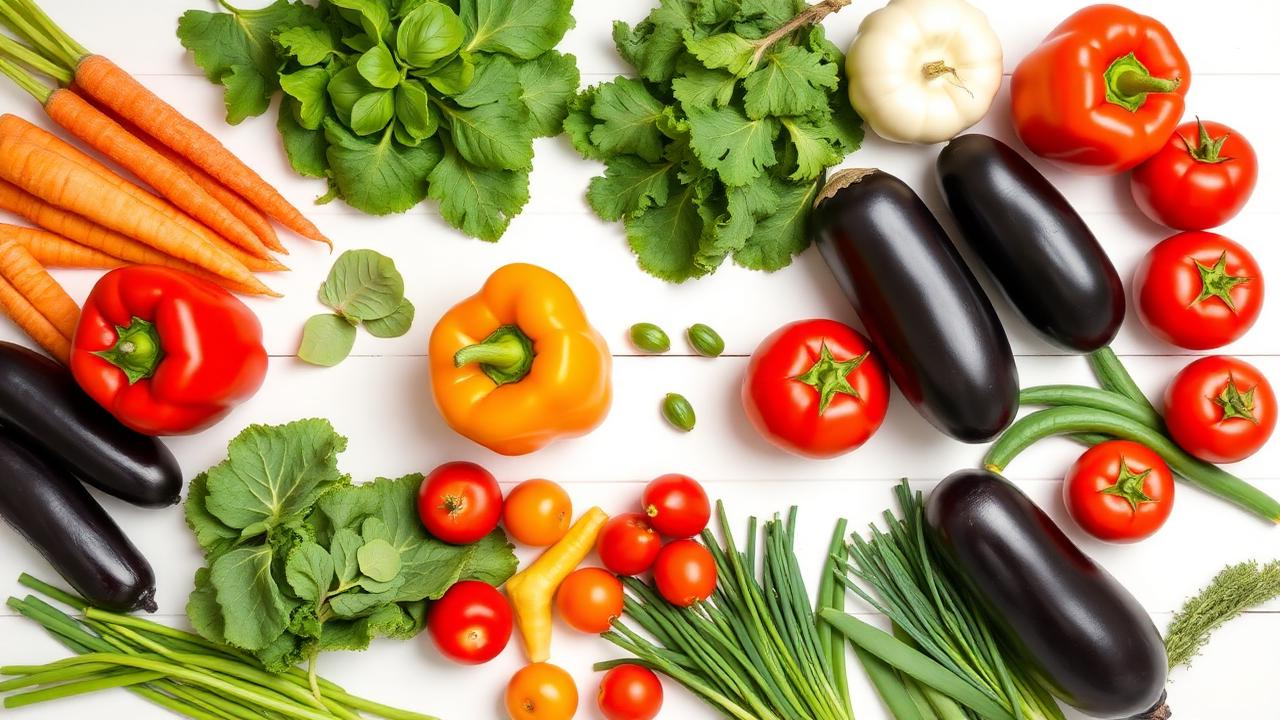
32 Low FODMAP Vegetables (with Serving Notes)
Portions reflect current Monash University FODMAP app data. One serving per sitting; don't stack two safe vegetables in the same meal.
Vegetable
Safe Portion
Notes
Carrots
Unlimited
Raw or cooked
Zucchini (courgette)
¾ cup (75g)
Sauté, roast, spiralize
Red bell pepper
½ cup (52g)
Higher portions safe than green
Green bell pepper
⅓ cup (52g)
Polyol content limits portion
Spinach (baby/English)
1½ cups raw (75g)
Mature spinach lower portion
Kale
1 cup chopped (50g)
Best massaged with olive oil
Lettuce (all types)
Unlimited
Iceberg, cos, butterhead, rocket
Cucumber
¾ cup (75g)
Skin-on safe
Common tomato
1 small (75g)
Roma/round
Cherry tomatoes
5 tomatoes
Don't stack with paste
Eggplant (aubergine)
1 cup (75g)
Roast or grill
Green beans
15 beans (75g)
String beans/haricots verts
Bok choy
1 cup (75g)
Pak choy safe equally
Broccoli florets only
¾ cup (75g)
Skip the stalks
Bean sprouts
1 cup (75g)
Mung bean sprouts
Chives
Unlimited
Best onion replacement
Spring onion (green part only)
Unlimited
Bulb is high FODMAP
Leek leaves (green tops)
⅔ cup (54g)
White bulb is high FODMAP
Parsnip
¾ cup (75g)
Roast or mash
Potato
Unlimited
White, red, sweet (½ cup)
Sweet potato
½ cup (75g)
Limit per serving
Pumpkin (canned)
½ cup (75g)
Japanese kabocha 1 cup
Butternut squash
¼ cup (45g)
Small portions only
Radish
2 radishes
Adds crunch to salads
Turnip
½ cup (75g)
Mash or roast
Swiss chard / silverbeet
1 cup (75g)
Stems safer than leaves
Canned champignon mushrooms
¾ cup drained
Fresh mushrooms not safe
Oyster mushrooms
1 cup (75g)
Only low FODMAP fresh mushroom
Olives (green or black)
15 olives
Drained
Ginger
Unlimited
Fresh or ground
Fresh chili
11g (1 medium)
Adds heat without FODMAPs
Fresh herbs (basil, parsley, cilantro)
Unlimited
Flavor without garlic
High FODMAP Vegetables to Avoid
These vegetables are high FODMAP at standard serving sizes. During the elimination phase (4–6 weeks), avoid them completely; during the challenge phase, reintroduce them one at a time.
Garlic (all forms — fresh, powder, granulated, paste)
The single biggest hurdle on a low FODMAP diet is rebuilding the savory base of your cooking. Almost every cuisine — Italian, French, Indian, Chinese, Mexican — starts with sautéed garlic and onion. Here's the IBS-safe replacement framework that works for nearly every recipe:
Start with garlic-infused olive oil. Heat 2 tbsp in your pan. This gives you the full aroma and flavor of 4 cloves of garlic without any fructans. You can buy it pre-made (Fody, Casa de Sante) or make your own by gently warming peeled garlic cloves in oil for 10 minutes, then straining.
Add the green parts of spring onions or leek tops. Slice ¼–½ cup and sauté for 2 minutes. This replicates the sweet base note that diced onion provides.
Add fresh ginger and chili. Grated ginger and chopped chili add depth and warmth — both are unlimited on low FODMAP.
Finish with fresh herbs. Stir in chopped chives, parsley, basil, or cilantro at the end. They brighten the dish and add the "fresh allium" punch that's usually missing.
Vegetables by Cooking Method
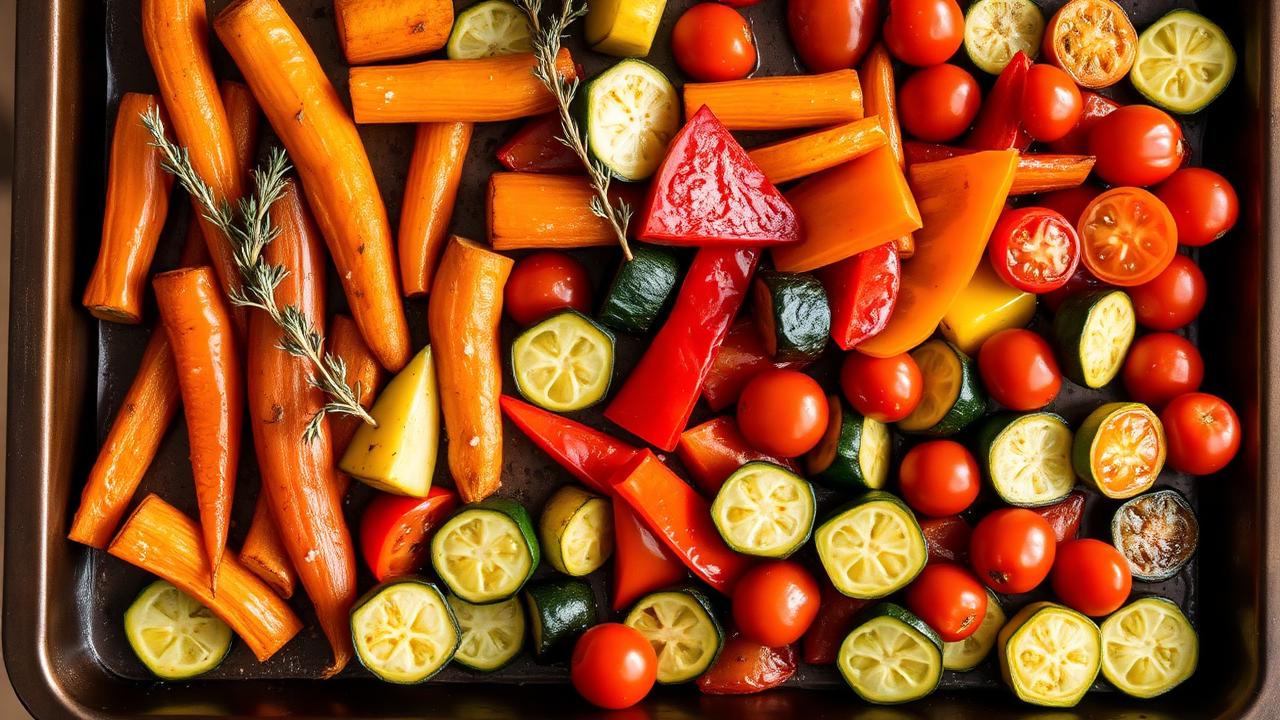
Best for roasting: carrots, parsnips, zucchini, eggplant, bell peppers, butternut squash (¼ cup), pumpkin, potato, sweet potato (½ cup).
Best for stir-fries: bok choy, bean sprouts, green beans, broccoli florets, bell peppers, carrots cut into matchsticks, oyster mushrooms, spring onion greens.
Best raw in salads: all lettuces, cucumber, cherry tomatoes (5), carrot, radish, bell pepper, baby spinach, fresh herbs.
Best for soups and stews: potato, parsnip, carrot, zucchini, canned tomatoes (½ cup), leek green tops, green beans, kale.
What About Frozen and Canned Vegetables?
Frozen vegetables retain the same FODMAP load as fresh, so a bag of frozen spinach, green beans, or carrots is just as safe. Canned vegetables are sometimes safer than fresh because some FODMAPs leach into the brine — this is the case for chickpeas (½ cup drained and rinsed is low FODMAP, vs. dried chickpeas which are not) and canned champignon mushrooms.
Always read the label on canned vegetables for added garlic, onion, or fructose-sweetened brine. If you see "natural flavors" without specifics, it's safer to skip.
Vegetable Portions in Mixed Meals
The biggest mistake low FODMAP beginners make is "portion stacking" — eating half a serving each of zucchini, broccoli florets, and bell pepper in one bowl. Even though each is below the threshold individually, the combined FODMAP load can trigger symptoms. The Monash rule of thumb:
One main vegetable per meal at the full safe portion (e.g., ¾ cup zucchini).
Up to two "accent" vegetables at half their safe portion each (e.g., ¼ cup bell pepper + ½ cup spinach).
Use our free low FODMAP Food Checker to instantly see the safe portion of any vegetable, with data and IBS-friendly swap suggestions.
We use cookies for site functionality, analytics (Google Analytics) and advertising partners to personalize content and ads. Read our Cookie Policy and Privacy Policy.