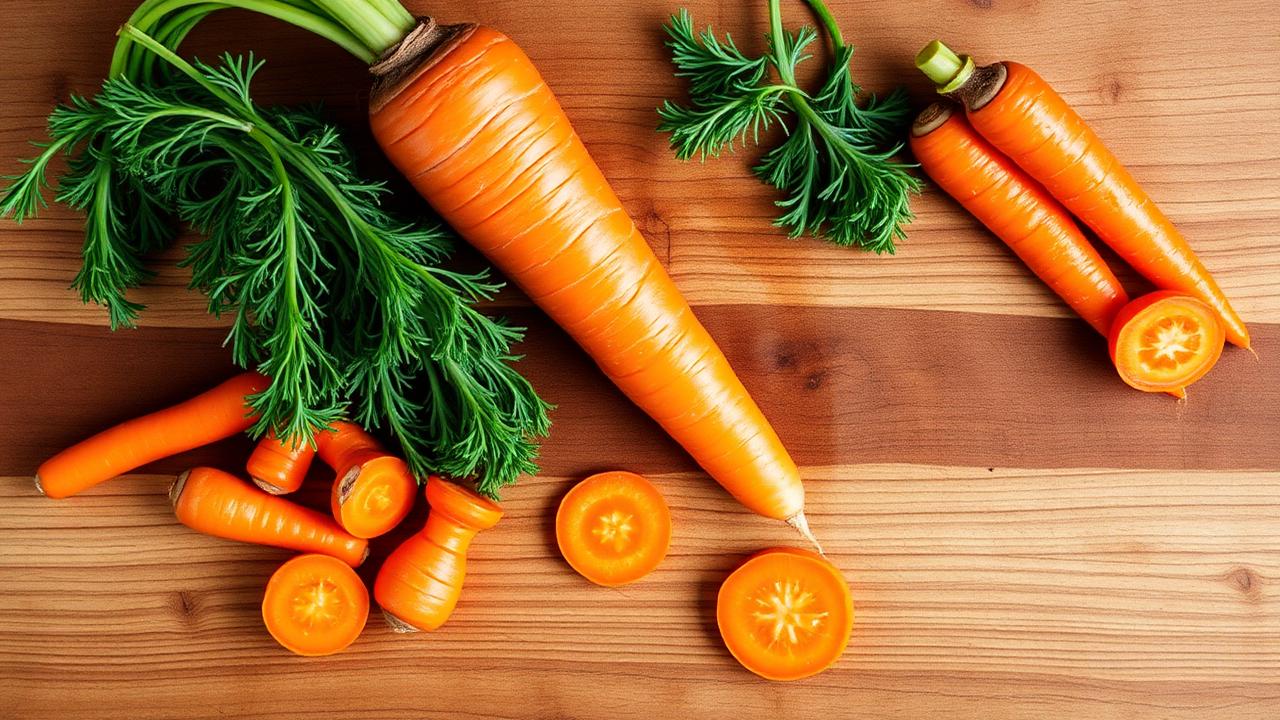
Quick Answer
Yes — carrots are low FODMAP in unlimited servings. According to Monash University FODMAP research, carrots contain no detectable FODMAPs and are safe at any portion during all phases of the low FODMAP diet.
Monash Portion Table
| Form | Serving | FODMAP Rating |
|---|---|---|
| Raw carrot | 1 medium (61g) | Green — no limit |
| Cooked carrot | 1 cup (128g) | Green — no limit |
| Carrot juice | 3/4 cup (200ml) | Green |
| Baby carrots | 10 (100g) | Green |
Carrots are one of the very few vegetables Monash lists with no serving cap, which makes them a staple during the strict elimination phase.
Why Carrots Are Safe
Carrots contain mostly sucrose, glucose, and insoluble fiber — none of which are FODMAPs. They don't ferment quickly in the gut and rarely trigger IBS symptoms.
How to Use Them
- Roast with garlic-infused oil for depth of flavor
- Grate raw into salads and slaws
- Blend into soups thickened with lactose-free cream
- Snack with lactose-free yogurt dip
Use our FODMAP Food Checker to verify pairings, and try the Recipe Converter to make family favorites gut-friendly.
When to Be Careful
Carrots themselves are safe, but be mindful of:
- Glazed carrots made with honey (swap for maple syrup)
- Carrot cake with wheat flour (use gluten-free flour blend)
- Store-bought carrot soup — often contains onion or garlic
Related Reading
This article is for educational purposes only and is not medical advice. Always consult a registered dietitian for personalized guidance.
Why This Matters for IBS Sufferers
For individuals navigating Irritable Bowel Syndrome (IBS), the low FODMAP diet often involves significant restriction and careful tracking. Finding "free foods" like carrots, which have no detectable FODMAPs and no portion limits, is incredibly liberating and can make adherence to the diet significantly easier and more enjoyable.
The psychological impact of strict dietary limitations can be substantial. Knowing you can safely eat an unlimited amount of a versatile vegetable like carrots provides a sense of security and freedom, reducing anxiety around meal planning. It allows for bulk in meals without concern for triggering symptoms, which is particularly helpful during the elimination phase when many other common bulking agents (like onions and garlic) are restricted. This helps prevent feelings of deprivation and ensures adequate nutrient intake from vegetables, which are crucial for overall gut health and a balanced diet.
Furthermore, the high fiber content (specifically insoluble fiber) in carrots aids in promoting regular bowel movements, which can be beneficial for both diarrhea-predominant (IBS-D) and constipation-predominant (IBS-C) subtypes of IBS. While excess fiber can sometimes be problematic for sensitive guts, the type and amount of fiber in carrots are generally well-tolerated. Their gentle nature makes them an excellent base for many meals, providing essential vitamins and minerals without the FODMAP load.
Common Mistakes to Avoid
While carrots are a low-FODMAP superstar, it's easy to inadvertently combine them with high-FODMAP ingredients. Here are common pitfalls to watch out for:
- Infused Oils Without Caution: Roasting carrots with store-bought garlic-infused oil can be tricky. Many commercial brands use garlic powder or whole garlic cloves that are not fully removed, leaving behind FODMAPs. Always choose certified low-FODMAP garlic-infused oil where the garlic solids have been strained out or make your own by briefly heating garlic cloves in oil and then removing them completely before cooking your carrots.
- Pre-made Sauces and Dressings: Even seemingly benign sauces or marinades for carrots can hide onion powder, garlic powder, high-fructose corn syrup, or other high-FODMAP ingredients. Always read labels meticulously.
- Carrot-Based Desserts: While delicious, carrot cake, muffins, or even some carrot breads are often loaded with wheat flour, nuts (like cashews or pistachios), and sometimes high-FODMAP sweeteners. Opt for recipes using gluten-free, low-FODMAP flour blends and stick to low-FODMAP sweeteners like maple syrup.
- Soups and Stews: If you're using carrots as a base for a soup or stew, ensure the broth is low-FODMAP. Many commercial vegetable or chicken broths contain onion and garlic. Look for certified low-FODMAP broths or make your own using low-FODMAP vegetables and herbs.
- Overlooking Portions of Other Ingredients: Remember, while carrots are unlimited, other ingredients in your meal might have strict portion limits. For instance, pairing carrots with a large serving of hummus (contains chickpeas, which are high FODMAP in larger portions) would negate the safety of the carrots. Always consider the entire meal's FODMAP load.
Meal Stacking & Portion Combinations
Carrots' unlimited low-FODMAP status makes them ideal for building satiating, symptoms-safe meals. Here's how you can effectively stack and combine them:
| Meal Component | Low-FODMAP Pairing with Carrots | Notes for Stacking |
|---|---|---|
| Protein | Grilled chicken breast, salmon, firm tofu, eggs | Carrots add bulk and nutrients. Include unlimited carrots in stir-fries with tofu or roasted alongside fish. |
| Grains | Quinoa, rice, gluten-free pasta, gluten-free bread | Add grated carrots to rice pilafs, gluten-free pasta sauces, or as a side to toast. |
| Other Veggies | Zucchini, bell peppers (red, yellow, orange), spinach, lettuce, cucumber, green beans | Build colorful salads or roasted vegetable medleys. Carrots provide sweetness and crunch. |
| Fats | Olive oil, avocado oil, garlic-infused oil, low-FODMAP butter | Essential for flavor and nutrient absorption. Roast carrots with ample low-FODMAP fat. |
| Flavor Enhancers | Fresh herbs (parsley, thyme), ginger, turmeric, chives, maple syrup | Enhances the natural sweetness of carrots without adding FODMAPs. |
| Dairy/Replacements | Lactose-free yogurt, hard cheeses (cheddar, parmesan), almond milk (small portions) | Carrot sticks with a lactose-free yogurt dip make a great snack. |
Example Combinations:
- Hearty Roasted Vegetable Medley: Unlimited roasted carrots, bell peppers (red/yellow), zucchini, and a small portion of potatoes (1 medium, 150g is green). Toss with garlic-infused olive oil, rosemary, and salt.
- Low-FODMAP Chicken Stir-fry: Sauté chicken breast strips with unlimited shredded carrots, green beans, and bean sprouts in a soy sauce (gluten-free) and ginger-based sauce. Serve over brown rice.
- Creamy Carrot & Ginger Soup: Blend cooked carrots with lactose-free broth, fresh ginger, and a splash of lactose-free milk or cream.
- Snack Platter: Baby carrots with a small serving of canned, rinsed lentils (46g is green) and a few slices of firm cheese.
Cooking, Prep & Storage Tips
Carrots are incredibly versatile, and understanding how to prepare and store them can maximize their nutritional value and shelf life.
Cooking Techniques for Flavor & Texture:
- Roasting: High heat caramelizes their natural sugars, intensifying sweetness. Toss with certified low-FODMAP garlic-infused olive oil, salt, and herbs like thyme or rosemary. Roasting till tender-crisp.
- Steaming: A gentle method that preserves nutrients. Steam until just tender for a vibrant side dish.
- Sautéing: Quick and easy. Sauté shredded or diced carrots in low-FODMAP oil with a pinch of ginger for an addition to stir-fries or as a base for soups.
- Shredding/Grating: Raw grated carrots add crunch and color to salads, slaws, or can be incorporated into gluten-free muffins.
- Pureeing: Cooked carrots can be pureed into smooth soups, baby food (if applicable), or even added to sauces for natural sweetness and thickness.
Preparation Tips:
- Peeling: For tender, young carrots, a good scrub might be all that's needed. For older, tougher carrots, peeling removes the outer layer which can sometimes be bitter or tough.
- Cutting: Consistent sizing is key for even cooking. For roasting, try baton-style cuts or thick slices. For soups, dicing is best.
- Flavor Boosters: Beyond garlic-infused oil, consider ginger, turmeric, cumin (in low FODMAP portions), fresh parsley, dill, or chives to enhance their flavor. A squeeze of lemon juice after cooking brightens the taste.
Storage Tips for Freshness:
- Whole Carrots (with greens attached): If you buy carrots with greens, remove the greens immediately after purchase. The greens draw moisture from the roots, causing them to dehydrate and wilt faster. Store the greens separately for culinary use if desired (though green tops are not typically consumed).
- Whole Carrots (no greens): Store unwashed carrots in the crisper drawer of your refrigerator in an open plastic bag or wrapped in a damp paper towel to maintain moisture. They can last for several weeks.
- Peeled or Cut Carrots: Place peeled or cut carrots in an airtight container filled with cold water. Change the water daily. This keeps them crisp for up to a week. Great for meal prep!
- Freezing: Carrots blanch well for freezing. Blanch cut carrots in boiling water for 2-3 minutes, then plunge into ice water. Drain thoroughly, pat dry, and freeze in a single layer on a baking sheet before transferring to freezer bags. They will hold for 10-12 months. Excellent for soups and stews.