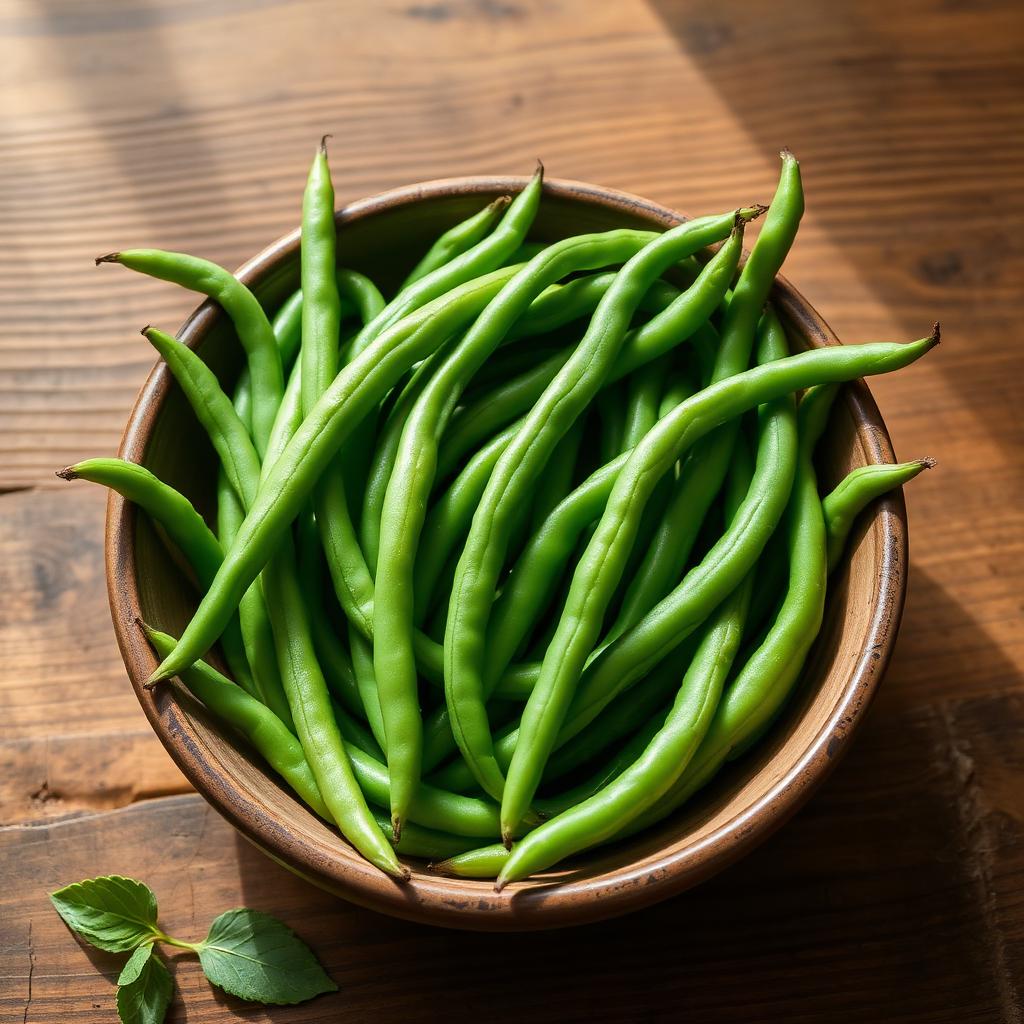
Short answer: Yes — green beans are low FODMAP at 15 beans (75 g) per serve per Monash. Above 125 g, sorbitol climbs into moderate range.
Key Takeaways
- Safe serve: 15 beans / 75 g 🟢
- 125 g = 🟡 moderate (sorbitol)
- 190 g+ = 🔴 high
- Fresh, frozen, and canned (rinsed) follow same portion rules
Monash Portion Chart
| Serving | Status |
|---|---|
| 15 beans / 75 g | 🟢 Low |
| 25 beans / 125 g | 🟡 Moderate |
| 40 beans / 190 g+ | 🔴 High |
Best Uses
- Steamed side with garlic-infused oil
- Add to Roasted Low FODMAP Vegetables
- Toss into Chicken Stir Fry
- Add to Chicken Soup
FAQs
1. Are canned green beans low FODMAP? Yes — rinse well, 75 g portion.
2. Are string beans and green beans the same? Yes, same Monash rating.
3. Are yellow wax beans low FODMAP? Yes, treated the same as green beans.
Sources: Monash University, Kate Scarlata RDN
Informational only — not medical advice.
Why This Matters for IBS Sufferers
Understanding the FODMAP content of common vegetables like green beans is crucial for individuals managing Irritable Bowel Syndrome (IBS). The "safe" low-FODMAP portion size of 15 beans (75g) allows you to enjoy their nutritional benefits and versatility without triggering uncomfortable symptoms such as bloating, gas, abdominal pain, and changes in bowel habits. Sorbitol, the particular FODMAP responsible for symptoms at higher green bean portions, is a polyol. For many IBS sufferers, polyols can be particularly problematic as they are poorly absorbed in the small intestine and can draw water into the bowel, leading to diarrhea, or be fermented by gut bacteria in the large intestine, causing gas and bloating.
The strict adherence to portion sizes during the elimination phase of the low-FODMAP diet is paramount. Even seemingly small increases in a moderate-FODMAP food can accumulate across a meal or a day, pushing the overall FODMAP load into a symptom-triggering range. Being able to confidently include green beans in your diet at the low-FODMAP threshold adds variety and important nutrients like Vitamin K, Vitamin C, manganese, and dietary fiber, which are essential for overall health and gut regularity, especially when navigating a restrictive diet.
Furthermore, knowing that green beans contain sorbitol helps you make informed choices about other foods you consume simultaneously. If you've had a serving of green beans, you might want to avoid other higher-sorbitol foods (like certain fruits or sugar-free gums) in the same meal to prevent exceeding your personal tolerance for this particular FODMAP. This detailed understanding supports a more effective and sustainable IBS management strategy.
Common Mistakes to Avoid
Navigating the low-FODMAP diet, even with seemingly simple foods like green beans, can present pitfalls. Being aware of these common mistakes can help you maintain symptom control and optimize your dietary choices.
- Over-Portioning: This is by far the most common mistake. Accidentally or intentionally exceeding the 15-bean (75g) low-FODMAP limit can quickly lead to symptoms. While 15 beans might seem small, consistency is key during the elimination phase. It's easy to lose track when adding them to stir-fries or casseroles.
- Ignoring Sorbitol Stacking: Green beans contain sorbitol. If you also consume other moderate or high-sorbitol foods (e.g., apples, pears, peaches, sugar-free chewing gum, some cough drops) in the same meal or within a short timeframe, the cumulative effect can push your sorbitol intake beyond your tolerance threshold, even if each individual food portion was within its "safe" limit. Always consider the total FODMAP load, especially for the same FODMAP type.
- Assuming "Vegetable" Equals "Safe": Not all vegetables are low FODMAP, and even those that are often have strict portion limits. Assuming all green vegetables are free game can lead to issues. Just because something is healthy doesn't mean it's low FODMAP.
- Not Rinsing Canned Green Beans: While canned green beans are low FODMAP at the established portion, it's crucial to rinse them well. This helps to remove any residual canning liquid which might contain soluble FODMAPs or other ingredients that could cause digestive distress.
- Confusing Bean Types: While string beans and yellow wax beans share the same low-FODMAP rating as green beans, other types of beans (e.g., kidney beans, black beans, chickpeas) are typically high in FODMAPs (GOS and fructans) and require different, often much smaller, portioning or careful rinsing and preparation. Always verify for specific bean varieties.
- Relying on Outdated Information: FODMAP research is continuously evolving. Always refer to a trusted source like the Monash University FODMAP Diet App for the most current and accurate data. What was considered high FODMAP a few years ago might have been retested and found to have a moderate low-FODMAP portion today, and vice-versa.
By being mindful of these common errors, you can more effectively integrate green beans into your low-FODMAP diet and reduce the likelihood of symptom flare-ups.
Meal Stacking & Portion Combinations
Effectively managing FODMAPs often involves smart "meal stacking," which means combining various low-FODMAP ingredients to create satisfying and symptom-free meals. When incorporating green beans, their 15-bean (75g) limit and sorbitol content require thoughtful pairing.
Here’s how to strategically combine green beans with other foods:
- Pair with "FODMAP-Free" Staples: Build your meal around cornerstone low-FODMAP foods that contain virtually no FODMAPs. This allows you more flexibility with other ingredients that have small portion limits.
- Proteins: Cooked chicken, turkey, beef, lamb, fish, eggs (plain).
- Grains: Plain white rice, quinoa (1 cup cooked), oats (1/2 cup dry).
- Fats: Olive oil, avocado oil, coconut oil (in moderation).
- Combine with Other Low-FODMAP Vegetables (Different FODMAP Groups): To minimize sorbitol stacking, choose other vegetables that are low FODMAP and belong to different FODMAP categories or are completely FODMAP-free at their typical serving sizes.
- Example Meal: Grilled salmon (FODMAP-free protein) with a side of steamed green beans (75g - sorbitol), roasted carrots (FODMAP-free at typical portions), and a small portion of bell peppers (75g red bell pepper - fructans/GOS). This creates a varied plate without overloading on any single FODMAP type.
- Mindful Fruit & Dessert Pairings: If you've had green beans in your main course, be cautious with fruits high in sorbitol for dessert (e.g., apples, pears, stone fruits). Opt for low-sorbitol fruits or FODMAP-free options instead.
- Low-Sorbitol Fruit Examples: Strawberries, blueberries (moderate portion), oranges, bananas (firm).
- Sample Meal Combinations:
| Meal Component | FODMAP Type (if any) | Portion Size | Notes |
|---|---|---|---|
| Breakfast Scramble | |||
| Scrambled Eggs | FODMAP-free | 2-3 eggs | |
| Spinach | FODMAP-free | generous | |
| Green Beans (chopped) | Sorbitol | 15 beans (75g) | Added for texture and nutrients |
| Smoked Salmon | FODMAP-free | 3-4 oz | |
| Lunch Salad | |||
| Mixed Greens | FODMAP-free | generous | |
| Grilled Chicken | FODMAP-free | 4-5 oz | |
| Green Beans | Sorbitol | 15 beans (75g) | |
| Cucumber | FODMAP-free | generous | |
| Cherry Tomatoes | Fructans, GOS | 5 tomatoes (75g) | Mindful of fructan/GOS stacking if other sources are in meal |
| Olive Oil & Vinegar | FODMAP-free | to taste | Simple dressing |
| Dinner Stir-Fry | |||
| Rice | FODMAP-free | 1 cup cooked | |
| Beef Strips | FODMAP-free | 4-5 oz | |
| Green Beans | Sorbitol | 15 beans (75g) | |
| Carrots | FODMAP-free | generous | |
| Zucchini | Fructans/GOS | 1/2 cup (65g) | Small portion to avoid stacking with other fructans/GOS |
| Soy Sauce (gluten-free) | Oligos/Fructans | 2 tbsp (for flavor) | Check label for wheat/high-FODMAP ingredients, low-FODMAP brand |
| Garlic-infused oil | FODMAP-free | 1 tbsp | Adds garlic flavor without fructans |
The key is to avoid stacking high-FODMAP portions or multiple moderate portions of foods containing the same type of FODMAP within a single meal. By distributing different FODMAP types across your plates, you can often enjoy a wider variety of foods without triggering symptoms.
Cooking, Prep & Storage Tips
Green beans are incredibly versatile and can be enjoyed in many ways while adhering to low-FODMAP guidelines.
Preparation:
- Trimming: Snap or cut off the stem end of the beans. The tail end can be left on or trimmed, depending on preference.
- Washing: Always rinse fresh or frozen green beans under cold water before cooking. For canned green beans, rinsing thoroughly under cold water is crucial to remove excess sodium and potentially some soluble FODMAPs or preservatives from the canning liquid.
Cooking Methods:
- Steaming: This is a fantastic way to prepare green beans, preserving their crisp texture and nutrients. Steam whole or cut beans for 5-7 minutes until tender-crisp. Finish with a drizzle of garlic-infused olive oil and a sprinkle of salt and pepper.
- Roasting: Toss green beans with garlic-infused olive oil, salt, and pepper. Roast at 400°F (200°C) for 15-20 minutes, flipping halfway, until slightly tender and lightly browned.
- Sautéing: Heat garlic-infused olive oil in a skillet. Add green beans and sauté over medium-high heat for 7-10 minutes until tender-crisp. You can add a splash of low-FODMAP broth or water to help them steam through.
- Boiling: Bring a pot of water to a rolling boil. Add green beans and cook for 3-5 minutes until tender-crisp. Drain immediately and plunge into ice water if you want to stop the cooking and preserve a vibrant green color (blanching), especially if using in a salad.
- Incorporating into Dishes: Add green beans to the last 5-10 minutes of cooking stir-fries or soups to prevent overcooking and maintain their texture. Remember to measure your 15-bean portion for your individual serving.
Flavor Enhancers (Low-FODMAP):
- Fats: Garlic-infused olive oil, chive-infused oil, plain olive oil.
- Herbs: Fresh or dried parsley, chives, basil, rosemary, thyme, oregano.
- Spices: Salt, black pepper, red pepper flakes (if tolerated), turmeric, cumin (in moderation).
- Acids: Lemon juice, lime juice, apple cider vinegar.
- Soy Sauce (Gluten-Free, small portion): A small amount can add umami to Asian-inspired dishes. Brands vary, so check Monash for tested options.
Storage:
- Fresh Green Beans: Store unwashed fresh green beans in a plastic bag or breathable container in the crisper drawer of your refrigerator for up to 5-7 days.
- Cooked Green Beans: Store leftover cooked green beans in an airtight container in the refrigerator for 3-4 days.
- Freezing Fresh Green Beans: For longer storage, blanch fresh green beans in boiling water for 2-3 minutes, then immediately transfer to an ice bath to stop cooking. Drain thoroughly, pat dry, and then freeze in a single layer on a baking sheet before transferring to freezer-safe bags or containers. They can be stored for 8-12 months.
Always ensure that any additional ingredients used with green beans (e.g., sauces, spice blends) are also low-FODMAP to maintain the integrity of your diet.