Most fresh mushrooms are high FODMAP (mannitol), but oyster, canned (rinsed), and dried shiitake are low FODMAP. Full type chart.
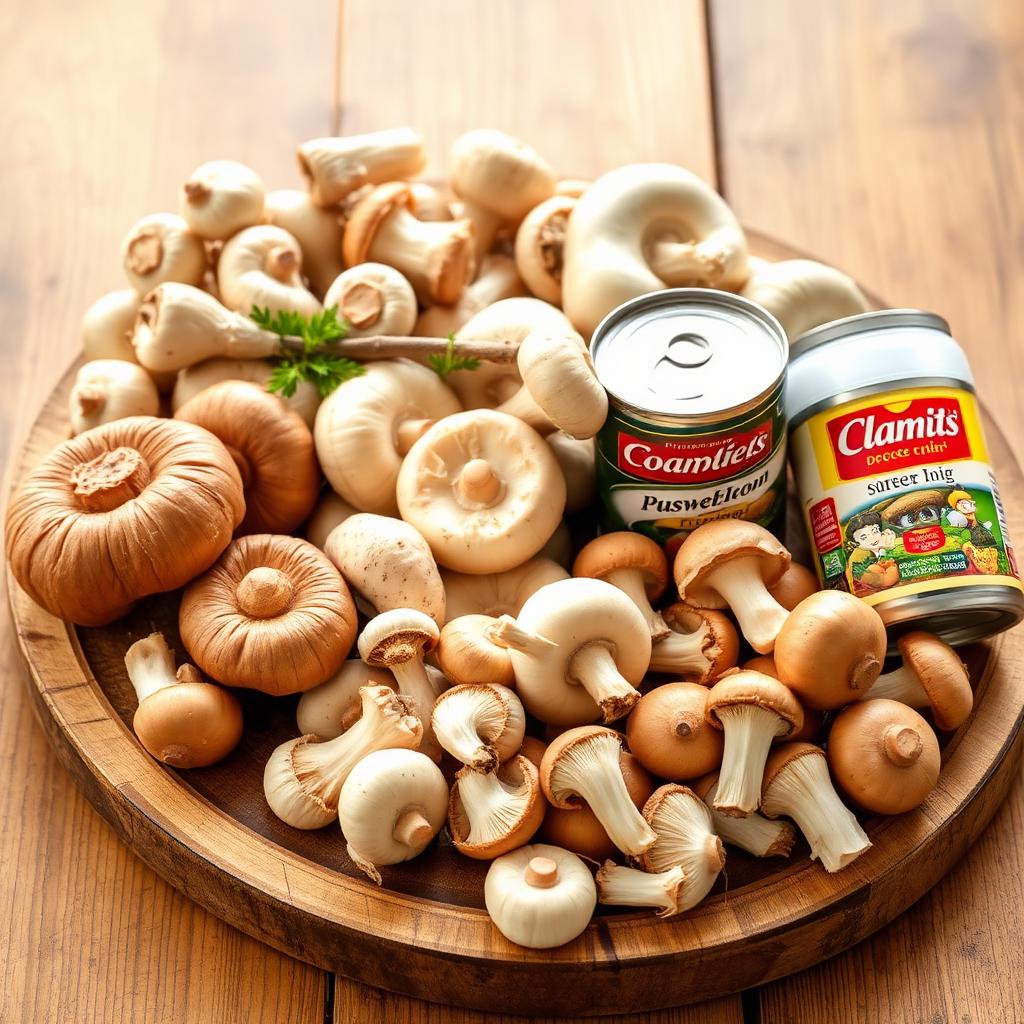
Short answer: Most fresh mushrooms are high FODMAP (mannitol). But oyster mushrooms and canned mushrooms (rinsed) are low FODMAP per Monash.
Key Takeaways
- Button, cremini, portobello, shiitake (fresh) = 🔴 high (mannitol)
- Oyster mushrooms = 🟢 low at 1 cup (75 g)
- Canned mushrooms (rinsed) = 🟢 low at ¾ cup (75 g)
- Dried shiitake = 🟢 low at 1 tbsp (10 g)
Monash Chart
| Type |
Safe Serve |
Status |
| Oyster (fresh) |
1 cup / 75 g |
🟢 Low |
| Canned (rinsed) |
¾ cup / 75 g |
🟢 Low |
| Dried shiitake |
1 tbsp / 10 g |
🟢 Low |
| Button (fresh) |
None |
🔴 High |
| Cremini/portobello |
None |
🔴 High |
| Fresh shiitake |
None |
🔴 High |
| Enoki |
None |
🔴 High |
Why Canned Works
Mannitol is water-soluble — canning + rinsing removes much of it. Same principle as canned & rinsed chickpeas.
Best Uses
FAQs
1. Are truffles low FODMAP? Truffle oil is safe (fat-based); truffle salt with garlic is not.
2. What about mushroom risotto? Only with oyster or canned mushrooms.
3. Portobello burger? Unfortunately no — even one cap is high FODMAP.
Sources: Monash University, Kate Scarlata RDN
Informational only — not medical advice.
Why This Matters for IBS Sufferers
Understanding which mushrooms are low FODMAP is crucial for individuals managing Irritable Bowel Syndrome (IBS). Mushrooms, while nutritious and flavorful, commonly contain mannitol, a polyol (sugar alcohol) that is poorly absorbed in the small intestine. For those with IBS, mannitol can draw water into the bowel and be rapidly fermented by gut bacteria in the large intestine, leading to classic IBS symptoms such as bloating, gas, abdominal pain, and diarrhea.
Strictly adhering to low-FODMAP guidelines, particularly during the elimination phase, requires careful selection of ingredients. Unknowingly consuming high-FODMAP mushrooms can trigger symptoms, making it difficult to identify specific triggers or hindering progress in symptom management. By distinguishing between high and low-FODMAP varieties, IBS sufferers can safely enjoy the unique umami flavor and nutritional benefits that mushrooms offer without compromising their gut health. This precise knowledge empowers individuals to maintain a varied and enjoyable diet while effectively managing their IBS.
Common Mistakes to Avoid
Navigating the world of low-FODMAP mushrooms can be tricky, and several common pitfalls can lead to accidental FODMAP stacking or symptom flares. Being aware of these mistakes can help you stay on track:
- Assuming all mushrooms are the same: This is the most significant error. As the Monash data clearly shows, there's a vast difference between button mushrooms and oyster mushrooms in terms of FODMAP content. Do not substitute high-FODMAP varieties for safe ones, even in small amounts, during the elimination phase.
- Forgetting to rinse canned mushrooms: While canned mushrooms are low FODMAP, the mannitol can leach into the canning liquid. Skipping the rinsing step means you're consuming that high-FODMAP liquid along with the mushrooms, potentially negating the benefit. Always drain thoroughly and rinse well under running water.
- Overlooking hidden mushroom ingredients: Check ingredient lists on processed foods like broths, sauces, and spice blends. "Mushroom extract," "dried mushroom powder," or simply "natural flavors" could contain high-FODMAP mushroom components.
- Confusing mushroom strains: For example, enoki mushrooms are high in mannitol, despite often being grouped with other Asian mushrooms. Always refer to the Monash app for specific varieties.
- Ignoring reintroduction guidelines: Once you've completed the elimination phase, it's tempting to jump straight back to eating all mushrooms. However, reintroducing them systematically, type by type and in increasing portions, is vital to understand your personal tolerance levels.
- Believing cooking methods eliminate FODMAPs: While some FODMAPs are water-soluble (like mannitol in canned mushrooms), cooking high-FODMAP mushrooms (e.g., pan-frying button mushrooms) does not reduce their FODMAP content to a safe level. The mannitol remains in the mushroom tissue.
Meal Stacking & Portion Combinations
When incorporating low-FODMAP mushrooms into your meals, consider "meal stacking" to ensure your overall FODMAP load remains low. This involves selecting other low-FODMAP ingredients to accompany your safe mushroom portions.
Here are some examples of how to combine low-FODMAP mushrooms with other ingredients:
- Oyster Mushroom Stir-Fry: Combine 1 cup (75g) oyster mushrooms with lean protein (chicken, tofu), low-FODMAP vegetables (bell peppers, carrots, bamboo shoots, green tips of spring onions), and a low-FODMAP sauce (tamari, ginger, garlic-infused oil). Ensure total serving size of each vegetable remains within Monash guidelines.
- Canned Mushroom Pizza: Use ¾ cup (75g) rinsed canned mushrooms as a topping on a gluten-free pizza base with low-FODMAP tomato sauce, lactose-free mozzarella, and other safe toppings like olives or spinach.
- Umami Boost for Broths: Steep 1 tbsp (10g) dried shiitake mushrooms (removed before serving) in homemade chicken or vegetable broth, then add low-FODMAP vegetables like parsnips and potato. This adds depth without the FODMAPs of fresh shiitake.
- Mushroom and Egg Scramble: Sauté 1 cup (75g) oyster mushrooms in garlic-infused olive oil with spinach and bell peppers, then scramble with eggs. Serve with a side of low-FODMAP toast.
- Pasta Sauce with Rinsed Canned Mushrooms: Add ¾ cup (75g) rinsed canned mushrooms to a low-FODMAP marinara sauce made with canned crushed tomatoes, herbs, and garlic-infused olive oil. Serve over gluten-free pasta.
Always remember that portion control applies to all low-FODMAP ingredients. While oyster mushrooms are low FODMAP at 1 cup, consuming multiple very large servings across different meals in one day could potentially contribute to stacking if other higher-FODMAP foods are also consumed. Stick to the recommended serving sizes.
Cooking, Prep & Storage Tips
Optimizing the flavor, texture, and FODMAP compliance of your low-FODMAP mushrooms involves a few key cooking and prep considerations:
Oyster Mushrooms:
- Preparation: Gently wipe with a damp cloth or quickly rinse under cool water and pat dry. Avoid soaking, as they absorb water easily. Tear larger clusters into desired sizes.
- Cooking: Sautéing, stir-frying, grilling, or roasting works well. They have a delicate texture and cook relatively quickly. High heat can brown them nicely, enhancing their flavor.
- Flavor Pairing: Excellent with garlic-infused olive oil, ginger, soy sauce/tamari, and herbs like thyme or parsley.
- Storage: Store in a paper bag in the refrigerator for 3-5 days to allow air circulation and prevent sliminess.
Canned Mushrooms (Rinsed):
- Preparation: This is crucial. Drain the canning liquid completely, then rinse the mushrooms thoroughly under cold running water for at least 30 seconds. Pat them dry before use to prevent excess moisture in your dish.
- Cooking: They are already cooked, so they only need to be heated through. Add them towards the end of cooking in stir-fries, sauces, or on pizzas to maintain their texture.
- Flavor Pairing: Their flavor is milder than fresh, so they benefit from strong seasonings like oregano, basil, or a savory broth.
- Storage: Unopened cans last for months (check expiry). Once opened and rinsed, store any unused mushrooms in an airtight container in the fridge for 2-3 days.
Dried Shiitake Mushrooms:
- Preparation: Rehydrate by soaking in hot water for 20-30 minutes, or until softened. The soaking liquid for the mushroom itself can be high FODMAP and should generally be discarded, except when making broth where only 10g (1 tbsp) of dried shiitake is used for flavor infusion and then removed. The 10g portion is specifically for umami flavouring and then removal of the mushroom solids.
- Cooking: If using small pieces for a dish (ensuring total weight stays within 10g or for umami flavor only, with solids removed), they can be chopped and added to stir-fries or braises. Primarily, they are used for their intense umami in broths and stocks.
- Flavor Pairing: Integral to Asian cuisine, pairing well with ginger, tamari, and mirin (check for low-FODMAP version or substitute).
- Storage: Store dried mushrooms in an airtight container in a cool, dark place for up to a year.
Testing Your Personal Tolerance (Reintroduction Guidance)
After successfully completing the low-FODMAP elimination phase and experiencing symptom improvement, understanding your personal tolerance to high-FODMAP mushrooms is the next vital step. Reintroduction should be systematic and guided by the Monash University app or a dietitian. Here's a general approach:
1. Choose a Test Mushroom: Start with one high-FODMAP mushroom type, such as Button mushrooms, as they are a common trigger.
2. Isolate the Test: Ensure all other foods in your diet are low FODMAP during the reintroduction period for that specific mushroom. This helps you identify only the mushroom as the potential trigger.
3. Follow a Graded Approach:
- Day 1 (Small Dose): Consume a very small serving, e.g., 1-2 small button mushrooms (approx. 10-20g).
- Day 2 & 3 (Rest Days): Monitor for symptoms. If no symptoms, proceed. If symptoms occur, stop and consult your dietitian.
- Day 4 (Moderate Dose): If symptom-free, consume a slightly larger serving (e.g., 3-4 button mushrooms, approx. 30-40g).
- Day 5 & 6 (Rest Days): Monitor symptoms.
- Day 7 (Challenge Dose): If symptom-free, consume a more typical serving (e.g., 5-6 button mushrooms or 50-60g).
- Day 8 & 9 (Review): Assess your overall reaction.
4. Record Your Symptoms: Keep a detailed food and symptom diary. Note the type and amount of mushroom consumed, the time of consumption, and any symptoms (type, severity, duration).
5. Interpret Results:
- No Symptoms: You may tolerate button mushrooms at the tested dose. Congratulations!
- Mild Symptoms: You might have a limited tolerance to button mushrooms. Note the amount that triggered symptoms.
- Significant Symptoms: Button mushrooms are likely a trigger for you and should be avoided or consumed very rarely in tiny amounts.
6. Repeat for Other Types: If you tolerated button mushrooms, wait a few symptom-free days before testing another type, such as fresh shiitake or portobello.
Important Consideration: Reintroduction is about understanding your individual thresholds. Some people might tolerate a small amount of button mushrooms but not a full serving, while others might tolerate no amount. This phase helps personalize your long-term IBS diet.
While specific low-FODMAP mushrooms offer some options, sometimes you're looking for a similar texture or umami depth that high-FODMAP mushrooms provide. Here are some related low-FODMAP alternatives that can substitute or complement your safe mushroom choices:
| Feature/Role |
High-FODMAP Mushroom (Example) |
Low-FODMAP Alternative |
Notes |
| Umami Flavor |
Fresh Shiitake, Portobello |
Dried Shiitake (10g steeped & removed), Tomato paste (2 tbsp), Parmesan cheese, Nutritional yeast, Seaweed (e.g., nori sheets) |
Dried shiitake provides intense umami. Other alternatives offer different umami profiles. |
| Meaty Texture |
Portobello Cap, King Oyster |
Firm Tofu (pressed), Tempeh (plain), Eggplant (1 cup / 75g), Jackfruit (canned young, rinsed) |
Tofu and tempeh can be marinated and pan-fried for a similar chew. Eggplant offers a sponge-like texture. |
| Slippery/Chewy Texture |
Enoki, Oyster (if not available) |
Oyster Mushrooms (low-FODMAP portion), Konjac Noodles (check ingredients for allergens) |
Oyster mushrooms are your best bet here. Konjac noodles offer a very different, but sometimes desired, slippery texture. |
| Bulking Agent (in stir-fries) |
Sliced Button Mushrooms |
Oyster Mushrooms (low-FODMAP portion), Water chestnuts (canned), Bamboo shoots (canned), Bell peppers, Carrots |
These add volume and a slight crunch. |
| Savory Depth (in sauces/broths) |
Mushroom Stock |
Low-FODMAP vegetable broth with dried Shiitake (10g steeped & removed), Onion-free stock, Garlic-infused oil for base flavor |
Build your own low-FODMAP flavor base from scratch. |
Utilizing these alternatives can help expand your culinary options without increasing your FODMAP load. Experiment with different combinations to find what best suits your taste and meal requirements.
Expert Insights
The authoritative source for all things FODMAP is Monash University in Australia. Their groundbreaking research identified FODMAPs and continues to provide the most up-to-date and reliable information on the FODMAP content of foods through their app. Their findings on mushrooms reveal the nuances that are critical for IBS management:
- Quantification of Mannitol: Monash University's laboratory analysis precisely measures the mannitol content in various mushroom types. This research confirmed that common varieties like button, cremini, fresh shiitake, and portobello contain significant amounts of mannitol, even in small servings, making them high FODMAP.
- Impact of Processing: Their research validated that canning and rinsing significantly reduces the mannitol content in mushrooms. This isn't due to the mannitol being destroyed, but rather its water-soluble nature allowing it to leach out into the brine, which is then discarded. This insight is pivotal for including canned mushrooms safely.
- Specific Safe Serves: Monash doesn't just label foods "low" or "high"; they provide precise "green light" safe serving sizes. For oyster mushrooms, the 1 cup (75g) serving is based on their analysis showing mannitol levels remain below the threshold for triggering IBS symptoms in most individuals at that quantity. Similarly, for dried shiitake, the 1 tbsp (10g) for flavor, with the solids often removed from the final dish, ensures the FODMAP load is kept minimal.
- Ongoing Updates: Monash consistently retests foods and adds new ones to their database. Their comprehensive approach ensures that individuals following the low-FODMAP diet have access to the most accurate information available, reducing uncertainty and improving dietary management.
Kate Scarlata RDN, a leading expert and registered dietitian in digestive health and FODMAP diet implementation, frequently highlights the practical application of Monash's research. Her work emphasizes:
- Importance of Education: Providing clear, digestible information to IBS patients about specific food FODMAP content, like that of mushrooms, is essential for successful dietary adherence. She often translates scientific findings into actionable advice for everyday eating.
- Individualized Approach: While Monash provides general guidelines, Scarlata stresses that personal tolerance varies. Her clinical experience reinforces the need for self-reintroduction and testing to determine individual thresholds for different FODMAPs, including mannitol in mushrooms.
- Focus on Nutrient Density: Scarlata advocates for maximizing the nutrient density of a low-FODMAP diet. She encourages incorporating safe foods like oyster mushrooms as a vegetable source, ensuring the diet remains balanced and varied.
- Myth-Busting: She often addresses common misconceptions surrounding the low-FODMAP diet, such as the idea that all fibrous foods are problematic or that avoiding certain foods forever is necessary, emphasizing the reintroduction phase.
Together, the scientific rigor of Monash University and the practical clinical application by experts like Kate Scarlata provide a robust framework for understanding and managing FODMAPs in foods like mushrooms for individuals with IBS.
Additional FAQs
1. Can I use mushroom-infused oils?
Yes, mushroom-infused oils (e.g., truffle oil, or olive oil infused with dried shiitake for flavor and then the solids removed) are generally considered low FODMAP. FODMAPs are water-soluble, so they do not leach into oil. However, always ensure no actual mushroom solids are present in the final oil product you consume, and be wary of "natural mushroom flavors" in commercially prepared oils, which could be high FODMAP.
2. Are mushroom coffee or mushroom supplements low FODMAP?
This is a grey area and generally best avoided during the elimination phase. Most mushroom coffee blends or supplements (e.g., reishi, lion's mane, chaga) use extracts or powders of high-FODMAP mushroom types. While the processing might reduce some FODMAPs, there's no reliable Monash data to confirm their low-FODMAP status. It's safer to avoid them until reintroduction or with specific guidance from your dietitian.
3. What about exotic mushrooms not listed on Monash, like Maitake or Lion's Mane?
Unless specifically tested and listed as low FODMAP by Monash University at a specified serving size, it's safest to assume exotic or uncommon mushroom varieties are high FODMAP during the elimination phase. Their FODMAP content is unknown, and they could contain mannitol or other polyols. If you're keen to incorporate them, test them carefully during the reintroduction phase, one type at a time.
4. Can I eat dried sliced oyster mushrooms?
Yes, dried oyster mushrooms would likely retain their low-FODMAP status, similar to how fresh oyster mushrooms are low FODMAP. However, still adhere to the 75g (1 cup) portion size of the rehydrated mushrooms, as drying concentrates flavors and potentially other compounds. Ensure they are plain dried oyster mushrooms with no added high-FODMAP ingredients.
5. If I cook high-FODMAP mushrooms for a long time, does it reduce the FODMAPs?
No, cooking high-FODMAP mushrooms for a long time (e.g., simmering in a stew) will not reduce their FODMAP content to a safe level. Unlike the canning process where mannitol leaches into water that is then discarded, cooking simply integrates the mannitol into the dish. The only exception is if the mushrooms are solely used to infuse flavor in a broth and then entirely removed, and even then, only a small quantity (like 10g dried shiitake) would be used for this purpose under low-FODMAP guidelines.
This article is for informational purposes only and does not replace personalized advice from a registered dietitian or healthcare provider.