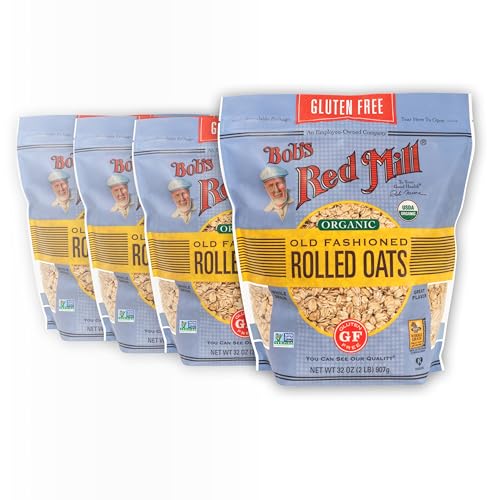
Short answer: Yes, oats are low FODMAP in a measured portion. Rolled oats are commonly listed as low FODMAP at about 1/2 cup (52 g) dry per serve; larger bowls add more fructans and GOS. Quick oats have a smaller low-FODMAP serve, so measure rather than pour.
Based on publicly available FODMAP research and intended for educational purposes. Individual tolerance and serving size can vary.
That comforting bowl of warm oatmeal is a breakfast classic, but if you're navigating the complexities of IBS, you've likely wondered if it's friend or foe. You may have heard conflicting advice, leaving you to question: are oats actually a safe choice on a low FODMAP diet?
Key Takeaways
- Yes, but portion size is critical. Oats can be low FODMAP, but only in specific, measured serving sizes. Exceeding these portions can quickly turn a low FODMAP meal into a high FODMAP one.
- The type of oat matters. Quick oats, rolled oats, and oat groats have different low FODMAP serving sizes due to processing variations.
- Weighing is non-negotiable. Using a kitchen scale to measure your oats in grams is the most accurate way to ensure you're staying within the safe low FODMAP limits. Cup measurements can be highly inaccurate.
- Fructans and GOS are the culprits. Oats contain two types of oligosaccharides—fructans and Galacto-oligosaccharides (GOS)—which can trigger symptoms in sensitive individuals when consumed in larger quantities.
- Watch your toppings and mix-ins. A low FODMAP portion of oats can easily become high FODMAP with the addition of honey, apples, or large servings of certain fruits.
The Short Answer: Are Oats Low FODMAP?
Yes, oats are low FODMAP, but this answer comes with a significant asterisk. The question isn't simply if oats are low FODMAP, but rather at what portion size and which type of oat is low FODMAP. For individuals struggling with Irritable Bowel Syndrome (IBS), this distinction is the key to successfully managing symptoms while enjoying this nutritious whole grain.
Monash University, the pioneer of the low FODMAP diet, has conducted extensive laboratory testing on various types of oats. Their research shows that small, controlled servings of oats are well-tolerated by most people during the elimination phase of the diet. However, as the serving size increases, so does the content of specific FODMAPs—namely fructans and GOS.
This "traffic light" system of green (low), amber (moderate), and red (high) servings is central to the low FODMAP diet. For oats, a "green" light serving is perfectly fine to consume. An "amber" or "red" light serving, however, contains enough FODMAPs to potentially trigger uncomfortable digestive symptoms like bloating, gas, abdominal pain, and altered bowel habits.
Therefore, the short answer is a conditional yes. You can absolutely enjoy oats on a low FODMAP diet, provided you are mindful, precise, and armed with the correct information about serving sizes and types.
Monash University FODMAP Portion Table for Oats
As a Monash FODMAP-trained dietitian, I rely on the Monash University FODMAP Diet app as the single source of truth for food portion sizes. The data below is derived directly from their app and is crucial for anyone following the diet. Always use a food scale for accuracy, as cup measurements can vary significantly.
| Oat Type | Low FODMAP Serving (Green) | Moderate FODMAP Serving (Amber) | High FODMAP Serving (Red) |
|---|---|---|---|
| Rolled Oats (uncooked) | ≤ 52g (1/2 cup) | 78g (3/4 cup) - contains GOS & Fructans | 104g (1 cup) |
| Quick Oats (1-minute, uncooked) | ≤ 23g (1/4 cup) | 46g (1/2 cup) - contains Fructans & GOS | 69g (3/4 cup) |
| Oat Groats (uncooked) | ≤ 60g (1/4 cup) | 120g (1/2 cup) - contains Fructans | Not specified |
| Oatbran, Processed | ≤ 16g (2 Tbsp) | 31g (1/4 cup) - contains GOS & Fructans | 62g (1/2 cup) |
| Oat Flour (whole grain) | ≤ 66g (2/3 cup) | 100g (1 cup) - contains GOS & Fructans | Not specified |
| Oat Milk (varies by brand/country) | Typically ≤ 125ml (1/2 cup) | Check app for specific brand/region | Varies significantly |
Note: Cup measurements are based on Australian standards (250ml cup) and can be imprecise. Grams are always the most accurate measure.
The FODMAPs in Oats: Fructans and GOS
When we ask, "are oats low FODMAP?", what we are really asking is about the concentration of specific short-chain carbohydrates within them. In the case of oats, the primary FODMAPs of concern belong to the Oligosaccharides group: Fructans and Galacto-oligosaccharides (GOS).
Let's break these down:
What are Oligosaccharides? The "O" in FODMAP, oligosaccharides are molecules made of multiple simple sugar units linked together in a chain. Human digestive systems lack the enzymes necessary to break down the bonds in these specific chains.
Fructans: These are chains of fructose molecules with a glucose molecule at the end. They are found in many foods, including wheat, rye, onions, garlic, and, in moderate-to-high servings, oats.
Galacto-oligosaccharides (GOS): These are chains of galactose molecules with a glucose molecule at the end. They are famously found in beans and legumes, but also appear in oats as the portion size increases.
How Do Fructans and GOS Cause Symptoms?
Because we can't break down fructans and GOS in our small intestine, they travel largely intact to the large intestine. Once there, two things happen:
Osmosis: These molecules are "osmotically active," meaning they draw water into the bowel. This excess water can contribute to diarrhea, urgency, and a feeling of "watery" bloating in sensitive individuals.
Fermentation: The trillions of bacteria residing in your large intestine see these undigested chains as an all-you-can-eat buffet. They rapidly ferment the fructans and GOS, producing gas (hydrogen, methane, carbon dioxide) as a byproduct. This rapid gas production can lead to painful bloating, cramping, distension, and flatulence.
For someone without IBS, this process happens without notice. For someone with visceral hypersensitivity (a common feature of IBS where the nerves in the gut are extra sensitive), this normal process of fermentation and stretching of the gut wall is perceived as pain and discomfort.
This is why portion size is everything. A small, "green" serving of oats (e.g., 52g of rolled oats) contains a low amount of fructans and GOS that your gut can likely handle without triggering this symptomatic cascade. However, a larger, "amber" or "red" serving delivers a much higher load, overwhelming your tolerance threshold and leading to symptoms.
Elimination Phase: Safe Serving Sizes and Best Practices
The initial elimination phase of the low FODMAP diet is designed to calm your digestive system by significantly reducing your intake of all high FODMAP foods. This is your "reset" button. During this phase, which typically lasts 2-6 weeks, precision and adherence are key to achieving symptom relief.
When it comes to incorporating oats during the elimination phase, follow these golden rules:
1. Choose the Right Oat:
Based on the Monash data, rolled oats (also known as old-fashioned oats) offer the most generous low FODMAP serving size at 52g (about 1/2 cup). This makes them an excellent choice for a satisfying breakfast. Quick oats, being more processed, have a much smaller safe serve of just 23g (about 1/4 cup), which may not be as filling for many people.
2. Weigh, Don't Scoop:
I cannot stress this enough: invest in a digital kitchen scale. A half-cup of oats can weigh anywhere from 40g to 70g depending on how tightly packed it is. This variance can be the difference between a symptom-free meal and an afternoon of discomfort. Measuring in grams is the only way to guarantee you are within the safe low FODMAP portion.
3. Build a Low FODMAP Bowl:
What you add to your oats is just as important as the oats themselves.
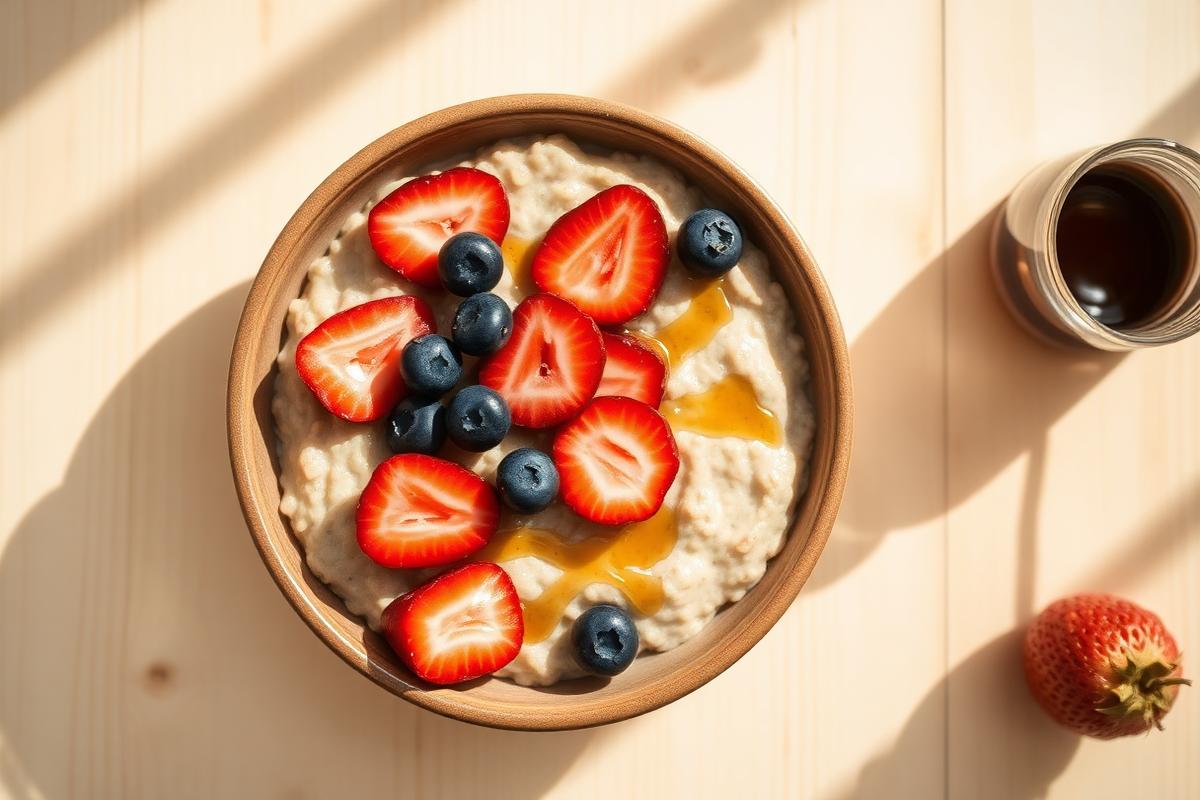
- Liquid: Prepare your oats with water, lactose-free milk, or a low FODMAP plant-based milk like almond milk (up to 240ml/1 cup) or rice milk. Be very cautious with oat milk; as the table shows, its FODMAP content is highly variable. Unless you have a brand specifically tested by Monash as low FODMAP in your region, it's best to avoid it during the elimination phase. You can check specific brands using our FODMAP Checker tool.
- Sweetener: Use pure maple syrup or a small amount of brown sugar. Avoid high-fructose sweeteners like honey and agave nectar.
- Fruit: Add low FODMAP fruits in their designated portion sizes. Excellent choices include strawberries (up to 65g or 5 medium), blueberries (up to 40g or 1/4 cup), or a firm, yellow banana (avoid ripe, spotty bananas, as their fructan content increases).
- Healthy Fats & Protein: Incorporate a tablespoon of chia seeds or pumpkin seeds for added fiber and omega-3s. A tablespoon of peanut butter is also a great low FODMAP addition.
4. Mind the Stack:
FODMAPs are cumulative. This concept, known as "FODMAP stacking," means that eating multiple "green" light foods from the same FODMAP group in one meal can add up to an "amber" or "red" load. Since oats contain fructans and GOS, be mindful of other foods in your meal that also contain them. For example, a "safe" portion of oats with a "safe" portion of almonds (which also contain GOS) might be too much for some individuals. Start simple and observe your tolerance.
Reintroduction Phase: How to Test Your Tolerance to Oats
After a successful elimination phase with significant symptom improvement, the next step is the structured reintroduction or "challenge" phase. This is where you systematically reintroduce FODMAP groups one by one to determine your personal tolerance levels. This is the most crucial part of the diet, as it allows you to personalize your diet for the long term.
Oats are a fantastic food to use for challenging the Oligosaccharides group (Fructans and GOS). Here is a step-by-step guide.
Prerequisites:
- You must be stable and have minimal gut symptoms.
- Continue to follow a strict, baseline low FODMAP diet for all other meals and snacks.
- Choose a time when you are not under significant stress or traveling.
- Keep a detailed food and symptom diary.
The Oat Challenge Protocol (Using Rolled Oats):
Choose Your Test Food: We'll use rolled oats, which contain both GOS and fructans in moderate and high servings.
Day 1: Test Portion 1 (Moderate FODMAP)
- Dose: Consume a moderate FODMAP serving of a single food. For rolled oats, this is 78g (3/4 cup, uncooked).
- Method: Prepare the oats with water or a safe liquid and consume them for breakfast. Do not add any other potential FODMAP-containing foods.
- Observe: For the rest of the day, monitor for any IBS symptoms (bloating, gas, pain, changes in stool, etc.).
Day 2 & 3: Washout Period
- Method: Return to your strict baseline low FODMAP diet for two full days, regardless of your symptoms on Day 1. This allows your system to clear and ensures any symptoms from Day 1 are not carried over to the next test.
- Observe: Continue to monitor for any delayed reactions from the Day 1 challenge. Symptoms can sometimes take up to 24-48 hours to appear.
Interpret Results from Test 1:
- No Symptoms: Great! This suggests you tolerate a moderate amount of fructans/GOS. You are ready to proceed to a larger challenge dose.
- Symptoms: You have likely found a tolerance threshold. Make a note of the portion size and the symptoms experienced. There is no need to proceed to the larger test dose for this group. Stop the challenge, wait for symptoms to resolve completely, and then move on to testing a different FODMAP group.
Day 4: Test Portion 2 (High FODMAP)
- Only proceed if Day 1 produced no symptoms.
- Dose: Consume a high FODMAP serving. For rolled oats, increase the portion to 104g (1 cup, uncooked).
- Observe: As before, monitor symptoms for the rest of the day.
Day 5 & 6: Final Washout Period
- Return to your strict baseline low FODMAP diet and monitor for delayed symptoms.
Final Interpretation:
- No symptoms on Day 1 or Day 4: Congratulations! You appear to have good tolerance to the fructan and GOS content in oats and likely similar foods. You can incorporate them more freely into your diet.
- Symptoms only on Day 4: This tells you that your threshold lies somewhere between the moderate (78g) and high (104g) servings. You can confidently include portions up to 78g of rolled oats in your diet.
- Symptoms on Day 1: You are sensitive to even moderate amounts of fructans/GOS from oats. You should stick to the "green" light serving of 52g for now.
This methodical process, repeated for each FODMAP group, is how you build a long-term, sustainable, and varied diet that works for your unique gut.
Common Mistakes to Avoid When Eating Oats
Navigating the world of FODMAPs can be tricky, and even with the best intentions, mistakes can happen. Here are some of the most common pitfalls when it comes to oats:
Using Inaccurate Cup Measurements: This is the most frequent error. A "half-cup" is not a standard unit of weight. A densely packed cup of rolled oats weighs much more than a loosely scooped one. This seemingly small difference can push you from a safe green portion into a moderate amber portion, triggering symptoms and leaving you confused. Solution: Use a digital food scale. It is your most reliable tool.
The "Gluten-Free" Misconception: Many people equate "gluten-free" with "low FODMAP." While there is overlap, they are not the same. Gluten is a protein found in wheat, barley, and rye. FODMAPs are carbohydrates. Oats are naturally gluten-free, but "gluten-free oats" are specifically those certified to be free from cross-contamination with wheat during processing—this is crucial for those with celiac disease. However, this certification has no bearing on the oat's fructan and GOS content. A gluten-free oat is not "more" low FODMAP than a regular oat; the portion sizes are the same.
Forgetting About High-FODMAP Toppings: You've meticulously weighed your 52g of rolled oats, only to top it with a large dollop of honey (fructose), a handful of cashews (GOS & fructans), and half a sliced apple (fructose & sorbitol). This is a recipe for disaster. Your toppings must also be low FODMAP and portion-controlled. Stuck for ideas? Try using our Ingredient Swap tool to find safe alternatives for your favorite toppings.
Ignoring FODMAP Stacking: You have a safe serving of oats for breakfast, a salad with a small serving of chickpeas (GOS) for lunch, and a snack of almonds (GOS). Even though each item was a "green" portion, you've stacked the same FODMAP (GOS) throughout the day, leading to bloating by dinnertime. Be mindful of your total FODMAP load throughout the day, especially from the same group.
Choosing the Wrong Oat for the Portion: You grab the canister of quick oats and measure out 1/2 cup, thinking it's the safe portion. But wait—the safe portion for rolled oats is 1/2 cup (52g), while the safe portion for quick oats is only 1/4 cup (23g). You've inadvertently consumed double the safe serving. Always double-check the specific type of oat against your Monash app or the table above.