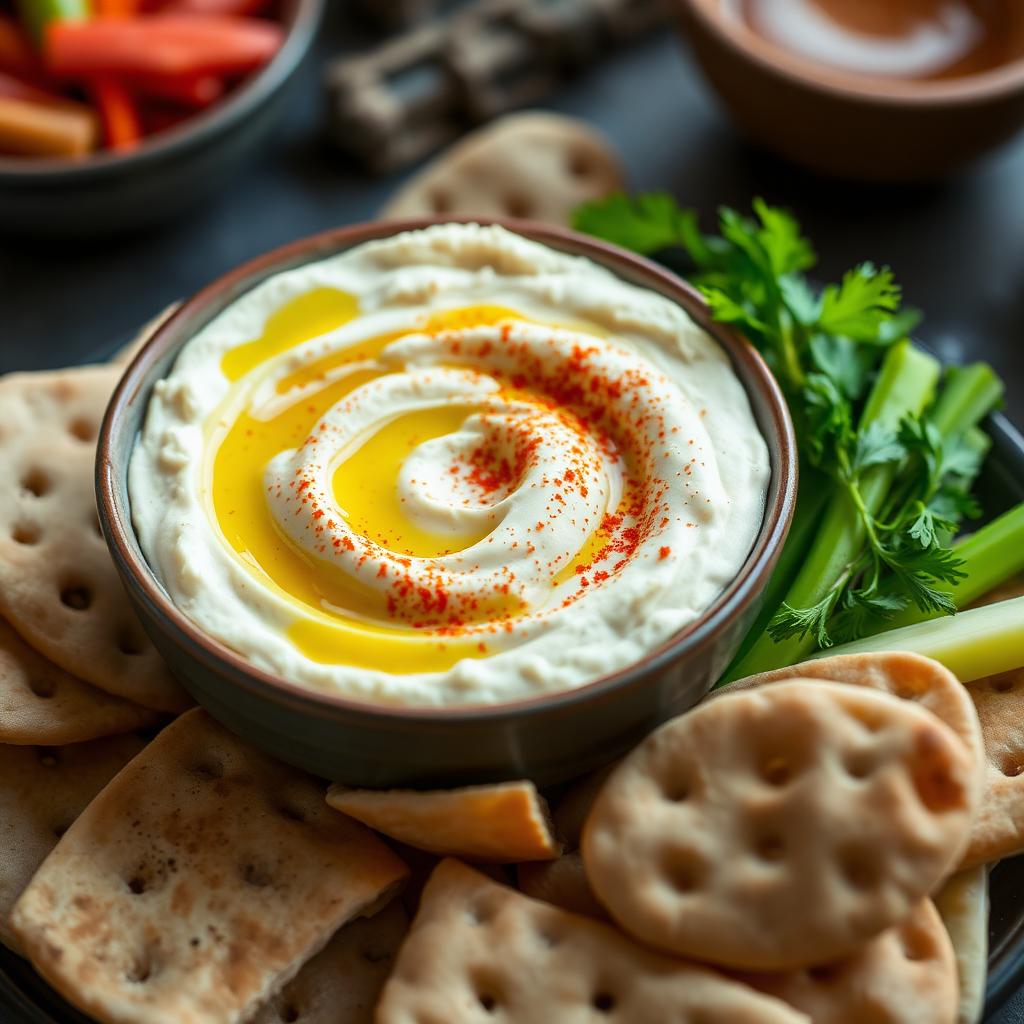
Short answer:Regular hummus is high FODMAP (chickpeas + garlic + tahini stack up quickly). But canned & rinsed chickpea hummus at 2 tbsp (40 g) without garlic can be low FODMAP per Monash.
Key Takeaways
Store-bought hummus (with garlic) = 🔴 high FODMAP
Homemade with canned/rinsed chickpeas + no garlic = 🟢 low at 2 tbsp
Canned chickpeas (rinsed) = 🟢 low at ¼ cup (42 g)
Dried/cooked chickpeas = 🔴 high FODMAP
Use garlic-infused oil for garlic flavor
Monash Portion Chart
Type
Safe Serve
Status
Homemade hummus (no garlic, canned chickpeas)
2 tbsp (40 g)
🟢 Low
Store-bought hummus (typical)
None
🔴 High
Fody Low FODMAP Hummus
2 tbsp
🟢 Low
Chickpeas (canned, rinsed)
¼ cup / 42 g
🟢 Low
Why Canned & Rinsed Matters
Rinsing canned chickpeas washes off much of the GOS (galacto-oligosaccharides). Dried chickpeas cooked at home retain GOS and are high FODMAP.
For individuals with Irritable Bowel Syndrome (IBS), understanding the FODMAP content of foods like hummus is crucial for managing symptoms such as bloating, gas, abdominal pain, and changes in bowel habits. Many traditional hummus recipes are a triple threat regarding FODMAPs:
Chickpeas (GOS): While beneficial for fiber, chickpeas contain galacto-oligosaccharides (GOS), a type of oligosaccharide that can be poorly absorbed in the small intestine, leading to fermentation by gut bacteria and subsequent IBS symptoms. The good news is that rinsing canned chickpeas significantly reduces their GOS content.
Garlic (Fructans): Garlic is a well-known high-FODMAP ingredient due to its fructan content. Fructans are another type of oligosaccharide that can trigger symptoms in sensitive individuals. Even small amounts can be problematic.
Tahini (Fructans): Made from sesame seeds, tahini can also contribute fructans, especially in larger servings. While Monash University lists tahini as green at 2 tablespoons, the cumulative effect with other FODMAPs is important to consider.
The careful selection and preparation of hummus, focusing on low-FODMAP alternatives, allow IBS sufferers to enjoy this versatile and nutritious food without experiencing uncomfortable digestive distress. It's about empowering individuals to make informed choices that support their gut health while maintaining a varied and enjoyable diet.
Common Mistakes to Avoid
Navigating the low-FODMAP diet can feel like a minefield, especially with popular foods like hummus. Here are common pitfalls to sidestep:
Assuming all "homemade" is safe: While homemade offers more control, simply making hummus at home doesn't automatically make it low FODMAP. It's critical to use canned, rinsed chickpeas and omit garlic. Many home recipes still call for fresh garlic.
Ignoring portion sizes: Even low-FODMAP ingredients can become high-FODMAP if consumed in large quantities. This is particularly true for chickpeas, where the safe portion changes drastically if they are not rinsed. Stick to the tested 2-tablespoon (40g) serving for low-FODMAP homemade hummus.
Forgetting about "hidden" FODMAPs in store-bought options: Manufacturers often add garlic powder, onion powder (also high in fructans), or other high-FODMAP ingredients to savory snacks and dips for flavor. Always check ingredient labels carefully, even if a product claims to be "natural" or "healthy."
Believing "garlic-free" automatically means low FODMAP: While a crucial step, simply removing garlic doesn't guarantee a low-FODMAP status if dried chickpeas or excessive amounts of other ingredients are used. The type of chickpeas and other ingredients matter.
Overlooking cross-contamination: When dining out, even if you request a dish "without garlic," there's a risk of cross-contamination in kitchens where garlic is heavily used. Be explicit about your dietary needs.
Not rinsing canned chickpeas thoroughly: A quick rinse isn't enough. For optimal GOS reduction, drain the chickpeas, place them in a colander, and rinse thoroughly under running water for at least 30 seconds, agitating them with your hands.
Meal Stacking & Portion Combinations
The low-FODMAP diet isn't just about what you eat, but how you combine and portion foods throughout the day. "Meal stacking" refers to eating multiple low-FODMAP portions together without triggering symptoms.
Cumulative FODMAPs: While individual ingredients may be low FODMAP, amounts can add up. Be especially mindful of foods containing moderate amounts of fructans (like tahini) or GOS (chickpeas) in multiple components of a meal.
Individual Tolerance: Your personal threshold for FODMAPs may differ. Start with small portions and gradually increase as tolerated during the reintroduction phase.
Fiber Intake: Low-FODMAP hummus can contribute fiber. Ensure you're getting enough soluble and insoluble fiber from a variety of low-FODMAP fruits, vegetables, and grains.
Cooking, Prep & Storage Tips
Making your own low-FODMAP hummus is straightforward and ensures full control over ingredients.
Preparation for Homemade Low-FODMAP Hummus
Chickpeas are Key: Start with canned chickpeas. Drain them thoroughly in a colander. Rinse under cool running water for at least 30 seconds, agitating the chickpeas to help wash off more of the GOS.
Peeling for Smoothness (Optional but Recommended): For an ultra-smooth hummus, gently rub the rinsed chickpeas between your hands or on a clean kitchen towel to remove some of the skins. This step drastically improves texture but is time-consuming.
Garlic Flavor Without the FODMAPs: Use garlic-infused olive oil. This allows the flavor compounds to infuse into the oil, leaving behind the fructans (which are water-soluble).
Tahini Quality: Use a good quality tahini (sesame paste). Monash green-lights tahini at 2 tablespoons, so stick to this portion in your recipe.
Lemon Juice & Salt: Fresh lemon juice brightens the flavor, and salt is essential for seasoning.
Icy Water or Ice Cubes: Adding a few tablespoons of icy water or a small ice cube while blending can help create a lighter, creamier texture and prevent the hummus from becoming too dense.
Storage
Refrigeration: Store homemade low-FODMAP hummus in an airtight container in the refrigerator for up to 3-5 days.
Freezing: Hummus freezes surprisingly well. Place portions in freezer-safe containers or bags, leaving a little headspace. It can be frozen for up to 1-2 months. Thaw overnight in the refrigerator or gently at room temperature. Stir well before serving after thawing.
Preventing Dryness: For refrigerated hummus, pour a thin layer of olive oil over the surface before sealing the container. This helps prevent a crust from forming and keeps it fresh.
Troubleshooting Textures
Too Thick: Add more icy water or a touch more lemon juice, one tablespoon at a time, until desired consistency is reached.
Too Thin: This is harder to fix. Ensure chickpeas are well-drained. If it happens, you can try adding a tiny amount more tahini or letting it sit in the fridge for a while, as it may firm up slightly.
Testing Your Personal Tolerance (Reintroduction Guidance)
The low-FODMAP diet has three phases: elimination, reintroduction, and personalization. Once you've successfully eliminated symptoms during the elimination phase, reintroducing FODMAPs is crucial for identifying your personal triggers and tolerance levels.
Reintroducing Chickpeas (GOS)
Since chickpeas contain GOS, they are reintroduced as part of the GOS challenge.
How to Reintroduce:
Choose your challenge food: Canned, rinsed chickpeas (without garlic or other high FODMAPs) or a controlled portion of regular hummus if you specifically want to test the entire product.
Start Small: Begin with a small portion on Day 1 (e.g., 1/4 cup cooked, rinsed chickpeas, or a slightly larger portion of your homemade low-FODMAP hummus, slowly increasing from the 2 tbsp recommended).
Observe Symptoms: Monitor your symptoms for up to 2-3 days after consumption. Record any changes in bloating, gas, pain, or bowel habits.
Increase Portion: If tolerated, increase the portion on Day 3 (e.g., 1/2 cup chickpeas).
Observe Again: Monitor symptoms for another 2-3 days.
Repeat or Stop: If symptoms occur at any stage, stop the challenge, allow symptoms to settle, and move on to the next FODMAP group. If tolerated, you've found your tolerance level for GOS from chickpeas.
Important Notes for Reintroduction:
One FODMAP at a time: Only reintroduce one FODMAP type (e.g., GOS, fructans, lactose) at a time to clearly identify triggers.
Baseline Diet: Maintain your low-FODMAP elimination diet during the days you are not actively challenging a FODMAP, to ensure symptoms are tied to the challenge food.
Symptom Tracking: Keep a detailed food and symptom diary.
Professional Guidance: This process is best done under the guidance of a FODMAP-trained dietitian to ensure accuracy and safety.
Related Low-FODMAP Alternatives
If hummus remains a challenge, or you simply want variety, there are delicious low-FODMAP alternatives:
Carrot Dip: Pureed cooked carrots with garlic-infused oil, lemon juice, tahini (in a low-FODMAP portion), and spices. Naturally sweet and vibrant.
Pumpkin Dip: Roasted pumpkin (butternut or Japanese pumpkin are low FODMAP) pureed with ginger, garlic-infused oil, and a touch of maple syrup.
Eggplant Dip (Baba Ghanoush - FODMAP Modified): Traditional baba ghanoush often contains garlic. Make a low-FODMAP version by roasting eggplant until very tender, then blending with garlic-infused oil, lemon juice, tahini (low-FODMAP portion), and cumin.
Artichoke Heart Dip (FODMAP Modified): Canned artichoke hearts (drained) can be blended with dairy-free cream cheese (lactose-free), garlic-infused oil, and nutritional yeast for a cheesy, savory dip. Note: Fresh artichokes are high FODMAP.
Lentil Dip (Red Lentils): Red lentils are low FODMAP in a 1/4 cup (23g) cooked portion. You can make a small batch of lentil dip by cooking red lentils, then blending them with garlic-infused oil, lemon juice, and spices.
Cream Cheese & Herb Dip: Dairy-free cream cheese (or lactose-free if tolerated) mixed with chopped fresh chives, dill, and parsley.
Olive Tapenade: A savory spread made from olives, capers, olive oil, and herbs. Ensure no added garlic or onion.
These alternatives offer similar creamy textures and savory flavors, perfect for pairing with low-FODMAP crackers or vegetables, ensuring you don't miss out on delicious dips while managing your IBS.
Expert Insights
The information presented regarding hummus and FODMAPs is firmly rooted in scientific research and clinical understanding from leading authorities in gut health.
Monash University: The foundational source for FODMAP information. Their extensive research and testing of foods, including chickpeas and various hummus preparations, provide the gold standard for low-FODMAP dietary advice. Their app (Monash University FODMAP Diet App) is the most reliable resource for up-to-date food ratings and portion sizes. The key insight from Monash is the significant reduction of GOS when canned chickpeas are thoroughly rinsed, making them accessible in smaller portions.
Kate Scarlata RDN: A highly respected Registered Dietitian (RDN) and a leading expert in the low-FODMAP diet. Kate Scarlata is a strong advocate for evidence-based information and has dedicated her career to helping individuals with IBS. Her work often emphasizes the practical application of Monash University research, providing valuable guidance on tricky foods like hummus. Scarlata frequently highlights the importance of using garlic-infused oils for flavor and the proper preparation of ingredients to minimize FODMAP content without sacrificing taste. Her contributions stress the nuanced approach required for successful symptom management.
The Fermentation Factor: Experts agree that the fermentation of FODMAPs by gut bacteria is the primary mechanism behind IBS symptoms. When GOS and fructans in foods like unrinsed chickpeas or garlic reach the large intestine, they are fermented, producing gas and drawing water into the bowel, leading to bloating, pain, and altered bowel habits.
Rinsing Rationale: The effectiveness of rinsing canned chickpeas lies in the water-soluble nature of GOS. The canning process allows some of these carbohydrates to leach into the canning liquid. Rinsing further removes these soluble FODMAPs from the surface of the chickpeas, making them significantly lower in GOS. This method does not work for dried chickpeas cooked from scratch because the GOS remain within the chickpea itself.
Ingredient Stacking: Both Monash and experts like Scarlata consistently caution about "FODMAP stacking." While individual ingredients might be low FODMAP in isolation, consuming multiple ingredients that contain the same FODMAP type (e.g., fructans from tahini and garlic) in one meal can quickly push the total FODMAP load beyond a person's tolerance threshold. This underscores the need for careful portion control and balanced meal planning.
These expert insights reinforce that while traditional hummus is problematic for many IBS sufferers, a skillfully prepared low-FODMAP version can be a safe and delicious addition to the diet, provided strict attention is paid to ingredients and portion sizes.
Additional FAQs
1. Is store-bought tahini low FODMAP? Yes, pure tahini (sesame paste) is low FODMAP at a portion of 2 tablespoons (30g) as per Monash University. The issue arises when combining it with other FODMAPs, but it's generally safe for use in low-FODMAP recipes at the recommended portion.
2. Can I use onion powder or garlic powder in my low-FODMAP hummus? No. Both onion powder and garlic powder are concentrated sources of fructans and are high FODMAP. Always opt for garlic-infused oil for garlic flavor, and consider using chives or the green parts of spring onions for an oniony taste.
3. What about other bean dips? Are black beans or cannellini beans low FODMAP? Canned, rinsed black beans are low FODMAP at a small portion of 1/4 cup (45g) and can be used to make a modified black bean dip. Canned, rinsed cannellini beans are also low FODMAP at 1/4 cup (40g). Similar to chickpeas, rinsing is crucial to reduce GOS content. Kidney beans, however, are high FODMAP even when canned and rinsed.
4. How can I ensure my garlic-infused oil is truly low FODMAP? To guarantee it's low FODMAP, either purchase a certified low-FODMAP garlic-infused oil (e.g., Fody brand) or make it yourself. When making it at home, infuse cloves of garlic in hot oil, then remove and discard all solids before the oil cools. Only the oil should be consumed, as the fructans from the garlic do not leach into the oil but remain in the solid cloves.
5. I prefer a spicier hummus. What low-FODMAP spices can I add? You can safely add a variety of low-FODMAP spices to your hummus for extra flavor. Options include smoked paprika, cumin, coriander, a pinch of cayenne pepper or chili flakes (test personal tolerance for heat, as capsaicin can be an irritant for some), and fresh herbs like parsley or chives.
This article is for informational purposes only and does not replace personalized advice from a registered dietitian or healthcare provider.
We use cookies for site functionality, analytics (Google Analytics) and advertising partners to personalize content and ads. Read our Cookie Policy and Privacy Policy.