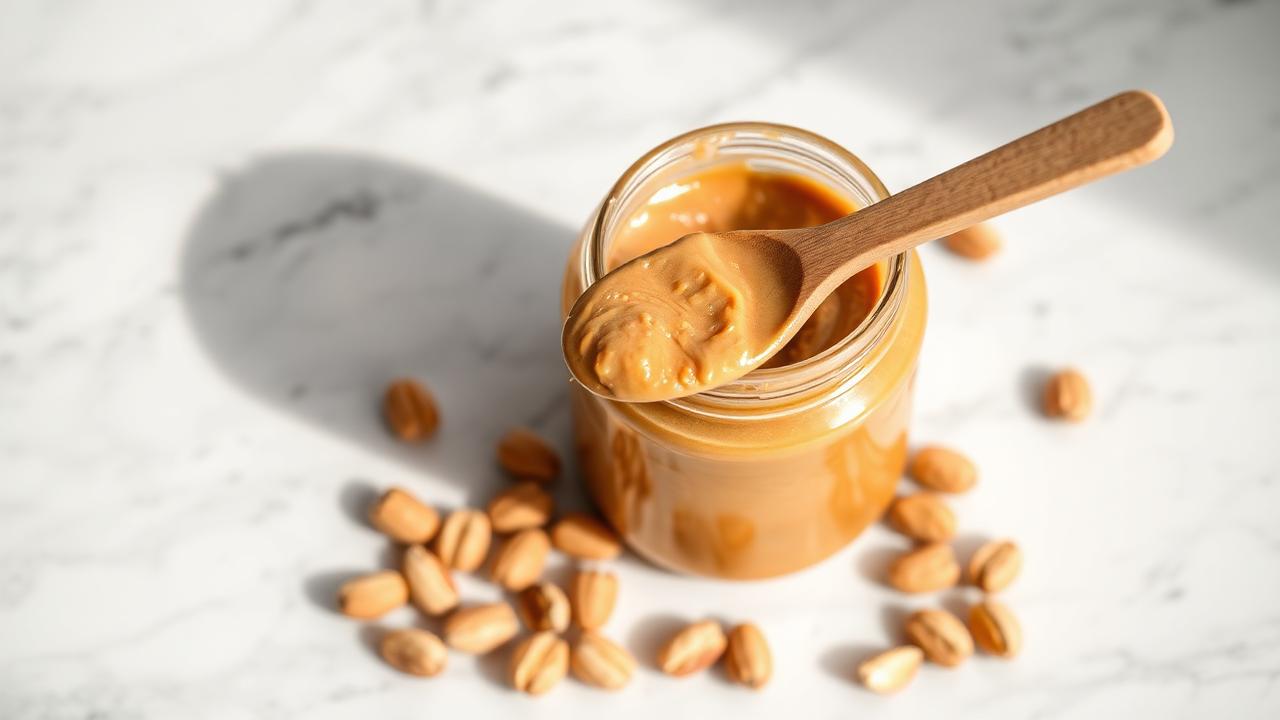
Yes — peanut butter is Low FODMAP at the low-FODMAP serve of 2 tablespoons (50 g). Peanuts themselves are one of the safest nuts on the Low FODMAP diet — Monash rates a 32-gram serve (about 28 nuts) as Low FODMAP. The catch is ingredients: many supermarket peanut butters add honey, high-fructose corn syrup, or inulin, which push the jar into the high-FODMAP zone.
Eating "just a few spoonfuls" straight from the jar — easy to hit 4+ tbsp and stack with other foods.
Buying flavoured varieties — chocolate, maple, or honey-roasted are usually high FODMAP.
Choosing PB powders that contain inulin — read the label.
Pairing with high-FODMAP fruit — apple slices and dried dates push the total FODMAP load too high.
Best Low FODMAP swaps
Skip (High FODMAP)
Use instead (Low FODMAP)
Honey-roasted peanut butter
100% peanut butter + 1 tsp maple syrup
Cashew butter
Peanut or almond butter (1 tbsp max)
Pistachio butter
Peanut butter (2 tbsp)
Nutella / chocolate-hazelnut spread
Peanut butter + ½ tsp cocoa powder
FAQs
Is crunchy peanut butter Low FODMAP? Yes — same 2 tbsp serve applies as long as the ingredients are just peanuts (and salt).
Can I eat peanut butter daily on the elimination phase? Yes, within the 2 tbsp serve.
Are PB2 and powdered peanut butter Low FODMAP? Plain PB2 (peanuts + salt) is Low FODMAP at 2 tbsp. Avoid varieties with added sweeteners.
Is peanut butter safe with IBS-D? Generally yes, but the high fat content can be a trigger for some — start with 1 tbsp.
Bottom line
A 2-tablespoon (50 g) serve of 100% peanut butter is Low FODMAP and a great source of plant protein on an IBS-friendly diet. Stick to clean-label jars and watch portion size when stacking with other foods.
Medical disclaimer: This article is for informational purposes only and is not a substitute for personalised advice from a FODMAP-trained dietitian.
Practical Low FODMAP Takeaways for Is Peanut Butter Low FODMAP? Safe Portions, Best Brands & Swaps
When using this guide, treat serving size as the most important detail. A food can be low FODMAP in one portion and become higher risk when the amount doubles or when it is combined with several similar ingredients in the same meal. For people with IBS, that cumulative effect is often the difference between a comfortable meal and symptoms later in the day.
A helpful approach is to pair this information with a simple food and symptom note. Write down what you ate, the portion, the time of day, stress level, and any symptoms over the next 24 hours. Patterns are usually more useful than one isolated reaction, especially because sleep, hormones, illness, caffeine, alcohol, and meal size can all affect digestion.
If you are in the elimination phase, keep meals simple and avoid testing several questionable foods at once. If you are in reintroduction, test one FODMAP group at a time with a structured serving ladder. That makes it easier to learn your personal tolerance instead of avoiding more foods than necessary.
Medical disclaimer: This article is for general education only and is not a substitute for medical care. If you have ongoing digestive symptoms, unexplained weight loss, bleeding, fever, anemia, or severe pain, speak with a qualified healthcare professional. For personalized low FODMAP guidance, work with a registered dietitian familiar with IBS and FODMAP reintroduction.
We use cookies for site functionality, analytics (Google Analytics) and advertising partners to personalize content and ads. Read our Cookie Policy and Privacy Policy.