Soy sauce and gluten-free tamari are low FODMAP at 2 tbsp. See safe brands, alternatives, and sauces to avoid for IBS.
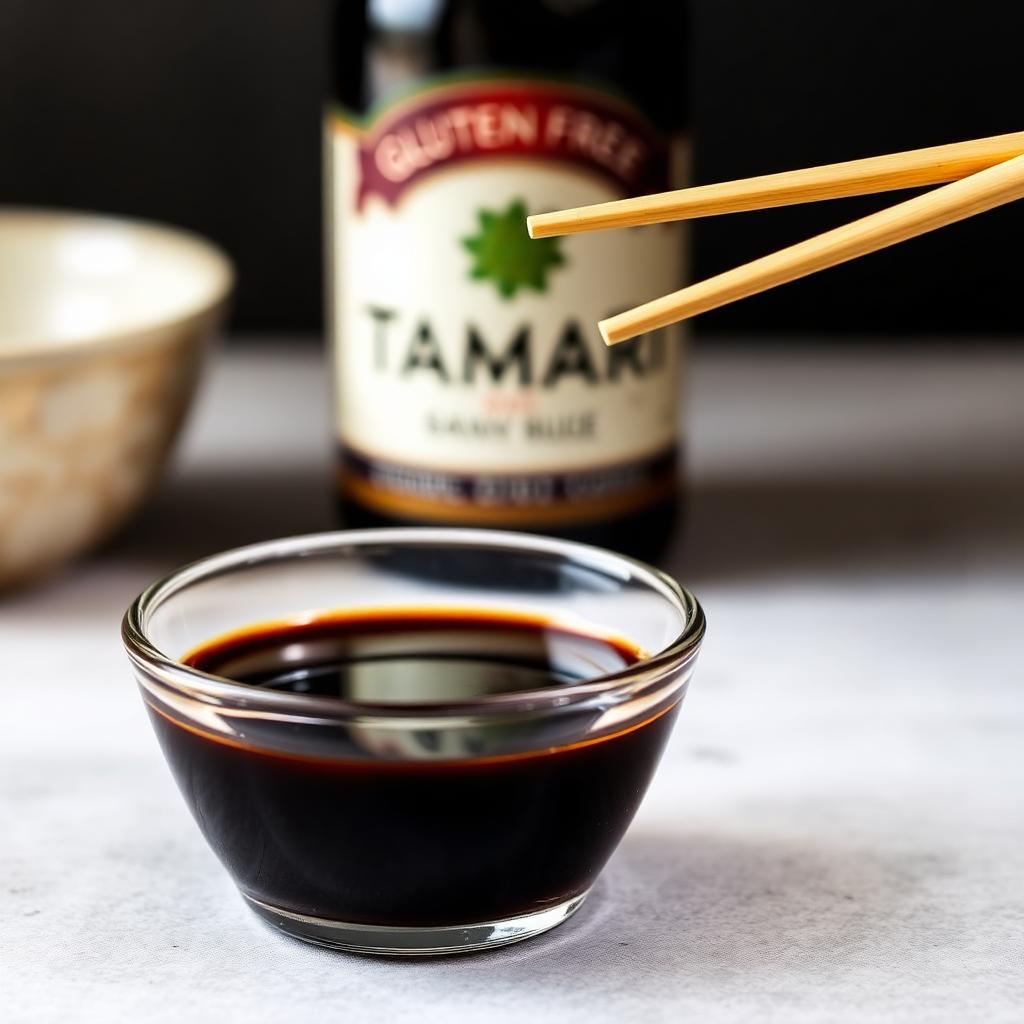
Short answer: Yes — regular soy sauce is low FODMAP at 2 tbsp (42 ml) per Monash. Gluten-free tamari is a safer swap for coeliac + IBS overlap and follows the same portion.
Key Takeaways
- Soy sauce: 2 tbsp / 42 ml safe serve 🟢
- Tamari (GF): same 2 tbsp serve 🟢
- The fermentation process breaks down most fructans in soy
- Watch for "teriyaki" and "stir-fry" bottled sauces — often add garlic, onion, honey
Monash Chart
| Sauce |
Safe Serve |
Notes |
| Regular soy sauce |
2 tbsp |
Contains wheat — usually tolerated |
| Tamari (GF) |
2 tbsp |
Best for GF diets |
| Coconut aminos |
1 tbsp |
Sweeter, less sodium |
| Teriyaki (bottled) |
⚠️ Check label |
Often high FODMAP |
| Hoisin |
🔴 Avoid |
Garlic + HFCS |
Best Uses
- Low FODMAP Chicken Stir Fry — 2 tbsp tamari base
- Dipping sauce for sushi (nigiri, cucumber rolls)
- Marinades with garlic-infused oil + ginger + tamari
FAQs
1. Does soy sauce contain gluten? Traditional soy sauce yes; tamari is gluten-free.
2. Is low-sodium soy sauce low FODMAP? Yes — same 2 tbsp limit.
3. Is dark/mushroom soy sauce safe? Mushroom soy sauce is high FODMAP (mannitol). Stick to regular or tamari.
Sources: Monash University, Kate Scarlata RDN
Informational only — not medical advice.
Why This Matters for IBS Sufferers
For individuals managing Irritable Bowel Syndrome (IBS), navigating culinary choices can often feel like a minefield. Soy sauce, a ubiquitous condiment in many cuisines, presents a seemingly simple dilemma: is it safe or not? The low FODMAP diet, developed by Monash University, aims to alleviate IBS symptoms by restricting fermentable carbohydrates that can trigger digestive distress. Understanding the FODMAP content of staple ingredients like soy sauce is crucial for maintaining dietary adherence and symptom control without sacrificing flavor.
The fermentation process is key to why traditional soy sauce, despite being made from soybeans (a high FODMAP legume in its whole form), becomes low FODMAP. During fermentation, microorganisms break down the fructans (a type of FODMAP) present in the soybeans and wheat. This enzymatic action effectively reduces the FODMAP load to a level that most IBS sufferers can tolerate. However, wheat itself contains fructans, which is why tamari, a gluten-free soy sauce alternative, is often recommended as an even safer choice, especially for those with coeliac disease or a heightened sensitivity to wheat.
The low FODMAP diet is not about complete avoidance but about portion control. The established low FODMAP serving size of 2 tablespoons (42 ml) for both regular soy sauce and tamari is significant because it allows individuals to enjoy the umami depth these sauces provide without exceeding their personal FODMAP threshold. Exceeding this portion, even with a low FODMAP food, can lead to symptom flare-ups, underscoring the importance of precise measurement in a low FODMAP kitchen.
Furthermore, awareness of hidden FODMAPs in processed sauces is paramount. Many bottled "teriyaki," "stir-fry," or "marinade" sauces often contain high FODMAP ingredients like garlic, onion, and honey. These additions can quickly turn an otherwise safe dish into a symptom trigger. Learning to scrutinize ingredient labels and opting for homemade sauces or certified low FODMAP alternatives empowers IBS sufferers to make informed choices that support their digestive health. This knowledge reduces the anxiety associated with eating out or preparing meals, fostering a greater sense of control and enjoyment over their diet.
Common Mistakes to Avoid
Navigating the world of soy-based products on a low FODMAP diet requires careful attention to detail. Many common pitfalls can inadvertently lead to FODMAP stacking or the consumption of high FODMAP ingredients.
1. Assuming All Soy Products Are Equal: The biggest mistake is assuming that because soy sauce is low FODMAP, all soy products are also safe. This is incorrect. Whole soybeans, edamame, silken tofu, and soy milk (made from whole soybeans) are high in FODMAPs, particularly GOS (Galacto-Oligosaccharides) and fructans. Only firmly pressed firm or extra-firm tofu (where pressing removes the water-soluble GOS) and fermented soy products like tempeh (in small serves) or specific types of soy sauce are low FODMAP.
2. Overlooking Hidden High FODMAP Ingredients in Sauces: As mentioned, many pre-made sauces that seem similar to soy sauce, such as teriyaki, hoisin, and some "stir-fry" or "marinade" sauces, are laden with high FODMAP ingredients. Garlic, onion, high-fructose corn syrup (HFCS), wheat thickeners (beyond the small amount in soy sauce itself), and various "natural flavors" can all be hidden culprits. Always read the label thoroughly, even if the product visually resembles soy sauce.
3. Exceeding the Low FODMAP Portion Size: While 2 tablespoons is a safe serving, it's easy to overpour, especially when used generously as a dipping sauce or in marinades. "A little more won't hurt" can be a dangerous mindset on a low FODMAP diet. Using measuring spoons or a kitchen scale for precise portioning, particularly when initially testing tolerance, is crucial.
4. Confusing "Dark Soy Sauce" with Low FODMAP Varieties: While regular soy sauce (or light soy sauce, as it's sometimes called) is low FODMAP, dark soy sauce, while primarily for color and a slightly richer flavor, often contains caramel coloring and sometimes molasses, which can be higher in FODMAPs (fructans). More importantly, mushroom soy sauce, a specific type of dark soy sauce infused with mushroom flavor, is HIGH FODMAP due to the mannitol content in mushrooms.
5. Ignoring Wheat Content if Gluten-Sensitive/Coeliac: While traditional soy sauce is deemed low FODMAP due to fructan breakdown, it still contains wheat. For individuals with coeliac disease or non-coeliac gluten sensitivity, even trace amounts of gluten are problematic. In these cases, 100% gluten-free tamari is the only acceptable option. Do not rely on "low FODMAP" alone if gluten is a concern.
6. Not Accounting for Stacking: Even if each individual ingredient in a meal is low FODMAP at its recommended serving, consuming multiple low FODMAP ingredients that contain the same type of FODMAP (e.g., fructans) can lead to FODMAP stacking and trigger symptoms. While soy sauce at 2 tbsp is generally safe, consider other fructan-containing ingredients in a meal to ensure the overall fructan load remains low.
Meal Stacking & Portion Combinations
The success of the low FODMAP diet often hinges on understanding how different low FODMAP ingredients combine. When using soy sauce or tamari, it's important to consider other components of your meal to avoid exceeding your overall FODMAP threshold, particularly for fructans.
Here's how to think about stacking and portion combinations:
1. Paired with Other Fructan-Containing Ingredients:
- Small amounts of wheat-containing items: If you're having regular soy sauce (which contains a small amount of wheat), be mindful if you're also consuming other items with a low but present fructan load, like certain types of wheat crackers (within their low FODMAP serving) or a small amount of leek green tops.
- Example: A stir-fry with 2 tbsp regular soy sauce + a small portion of green bell pepper (fructans) + a few sprigs of chives (fructans) is generally fine. However, if you add even a small amount of onion or the white part of leek, you'd likely exceed the fructan threshold. Stick to gluten-free tamari if you want to minimize all types of fructans.
2. Combining with Other FODMAP Groups:
- Soy sauce and tamari are primarily a fructan concern (or a GOS concern in whole soy). This means you generally have more leeway with other FODMAP groups in the same meal.
- Example: A meal with 2 tbsp tamari + lactose-free yogurt (lactose-free) + chicken + rice (no FODMAPs) + broccoli florets (fructans, GOS - small portions) + carrot (no FODMAPs) is typically well-tolerated because the FODMAPs are spread across different types and within safe limits.
3. Enhancing Flavor Without Stacking:
- Aromatics: Use garlic-infused oil (FODMAP-free fat), ginger, chives, spring onion green tops, and chili (if tolerated) to build flavor layers without adding FODMAPs.
- Acids: Rice vinegar or lime/lemon juice can brighten flavors and are FODMAP-free.
- Sweeteners: A small dash of maple syrup or rice malt syrup (both low FODMAP) can balance flavors without adding problematic sugars.
4. Table: Strategic Ingredient Pairing with Tamari (Example Meal: Stir-fry)
| Ingredient |
FODMAP Group(s) |
Safe Serving |
How it Stacks |
Notes for your meal |
| Tamari (GF) |
Fructans (minimal) |
2 tbsp |
Base for umami |
Use as primary liquid flavor enhancer. |
| Firm Tofu |
GOS |
120g |
Low in GOS if pressed |
Ensure it's firm/extra-firm and pressed to remove water-soluble GOS. |
| Red Bell Pepper |
Fructans |
52g (1/2 pepper) |
Minimal fructans |
Adds color and mild sweetness. |
| Broccoli Florets |
Fructans, GOS |
75g (3/4 cup) |
Watch portion |
A good low FODMAP vegetable, but don't overdo it. |
| Carrot |
None |
Unlimited |
N/A |
Excellent bulk veggie. |
| Zucchini |
Fructans |
65g (1/2 cup) |
Minimal fructans |
Another safe and versatile vegetable. |
| Rice (white/brown) |
None |
Unlimited |
N/A |
Safe staple carbohydrate. |
| Garlic-infused Oil |
None |
Unlimited |
N/A |
All the garlic flavor, none of the fructans! |
| Ginger |
Fructans |
1 tbsp (grated) |
Minimal fructans |
Adds zing without significant FODMAPs. |
| Spring Onion (Green tops) |
Fructans |
Unlimited |
N/A |
Use generously for onion flavor. |
Key takeaway: The goal is to create a symphony of low FODMAP ingredients. If you're careful with alliums (onion, garlic, leeks) and larger servings of certain vegetables, you can enjoy robust flavors with your low FODMAP soy sauce or tamari without concerns for stacking.
Cooking, Prep & Storage Tips
Mastering the use of low FODMAP soy sauce and tamari in your kitchen involves more than just knowing safe portions. Proper cooking, preparation, and storage can enhance flavor, prevent cross-contamination, and ensure safety.
1. Accurate Measuring is Key:
- Always use a tablespoon measuring spoon for soy sauce/tamari. It's incredibly easy to overpour.
- When marinating, calculate the total amount used across all servings of the dish. For example, if marinating meat for 4 servings, use no more than 8 tablespoons total (2 tbsp per serving). Much of the marinade may be discarded or cooked off, but it's best to be conservative.
2. Infusing Flavors Safely:
- Garlic & Onion-Infused Oils: These are your best friends. Sauté finely chopped garlic (discard solids) or onion (discard solids) in oil to infuse flavor, then use the oil in your cooking or marinades with tamari.
- Ginger: Freshly grated ginger adds a wonderful warm spice.
- FODMAP-Friendly Aromatics: Chives, the green tops of spring onions (scallions), and leek green tops are excellent for adding oniony depth without the fructans. Add these towards the end of cooking or as a garnish for maximum flavor.
3. Marinades and Dressings:
- Combine tamari with garlic-infused oil, ginger, rice vinegar, a touch of maple syrup, and any preferred low FODMAP spices (e.g., five-spice powder without star anise, turmeric, white pepper) to create delicious marinades for meats, fish, or tofu.
- For salad dressings, whisk tamari into a base of olive oil, vinegar (rice, white wine, apple cider), and Dijon mustard (check for onion/garlic powder).
4. Thickening Sauces:
- If you need a thicker consistency for stir-fries or glazes, use cornstarch or arrowroot powder mixed with a little cold water (a "slurry") and add to your hot sauce. Both are low FODMAP.
5. Avoiding Cross-Contamination (especially for coeliacs):
- If you or someone you cook for has coeliac disease, ensure you have a dedicated bottle of gluten-free tamari and separate utensils/cutting boards if traditional soy sauce is also used in the household. Even small traces of gluten can cause a reaction.
6. Storage:
- Soy sauce and tamari are shelf-stable and generally do not require refrigeration before opening.
- Once opened, most brands recommend refrigerating to maintain freshness and flavor, though they will last for a very long time in the pantry as well due to high salt content. Always check the bottle's specific storage instructions. They typically have a "best by" date that can be several years out.
Testing Your Personal Tolerance (Reintroduction Guidance)
The low FODMAP diet is a three-phase process: elimination, reintroduction, and personalization. Once you've completed the elimination phase and symptoms have improved, carefully reintroducing FODMAPs, including soy sauce, is crucial to understand your personal triggers and tolerance levels.
1. The Goal of Reintroduction: The primary goal is to identify which specific FODMAPs trigger your symptoms and at what amounts. This allows you to create a personalized, sustainable diet that includes as many foods as possible without experiencing discomfort.
2. Setting Up for Reintroduction:
- Ensure you have been symptom-free or significant improved for at least a week on the strict elimination phase before starting.
- Choose a time when you are not stressed, sick, or traveling, as these factors can influence digestive symptoms.
- Introduce one FODMAP group at a time. For soy sauce, we are primarily testing fructans (and wheat if using regular soy sauce).
- Maintain your regular low FODMAP diet during the reintroduction period, only changing the specific food being tested.
3. Reintroducing Soy Sauce/Tamari – Step-by-Step:
- Test Day 1 (Small Dose): Consume a small serving of regular soy sauce or gluten-free tamari (e.g., 1 tablespoon, 21 ml). Observe symptoms for the next 2-3 days.
- Rest Days (2-3 days): Eat strictly low FODMAP. This allows time for symptoms to appear and subside.
- Test Day 2 (Moderate Dose): If no symptoms occurred on Day 1, try a moderate serving (e.g., 2 tablespoons, 42 ml – the Monash 'green' serving). Observe symptoms for the next 2-3 days.
- Rest Days (2-3 days): Eat strictly low FODMAP.
- Test Day 3 (Larger Dose): If no symptoms occurred on Day 2, try a larger serving (e.g., 3-4 tablespoons, up to 84 ml). This helps you determine your maximum tolerance. Observe symptoms for 2-3 days.
- Record Everything: Keep a detailed food and symptom diary. Note the specific food, quantity consumed, time, and any symptoms (type, severity, onset).
4. Interpreting Results:
- No Symptoms: Congratulations! You likely tolerate soy sauce/tamari well at the tested dosage. You can incorporate this amount into your personalized diet.
- Mild Symptoms: You might have a lower tolerance. Note the maximum amount you could tolerate without significant symptoms. This amount becomes your personalized safe portion.
- Significant Symptoms: You are sensitive to the FODMAPs in soy sauce/tamari. Avoid this food or be extremely cautious with very small amounts.
5. What to Test Next? After successfully reintroducing soy sauce/tamari and confirming your tolerance, you would move on to testing other fructan-containing foods (e.g., bread, onion, garlic powder, pasta) one at a time, following the same stepped approach. This will help you identify if you are particularly sensitive to fructans in general, or more specifically to the type found in soy or wheat. Tamari vs. traditional soy sauce can also be tested separately if you suspect you react to wheat.
While soy sauce and tamari are generally well-tolerated, it's beneficial to be aware of other low FODMAP umami-rich alternatives, either for variety, if you have a very low tolerance to soy/wheat, or if you're trying to create a specific flavor profile.
1. Coconut Aminos:
- What it is: A savory sauce made from fermented coconut blossom sap. It's naturally gluten-free and soy-free.
- FODMAP Status: Low FODMAP at a 1 tbsp (20g) serving according to Monash. Often sweeter and less salty than soy sauce.
- Best Uses: Great for stir-fries, marinades, and dipping sauces where a slightly sweeter, milder umami is desired. If you need more 'oomph,' you might need to use a bit more than 1 tbsp, being mindful of the sweetness. Sodium content is typically lower than soy sauce.
2. Fish Sauce:
- What it is: A staple in Southeast Asian cuisine, made from fermented anchovies. It's highly savory and deeply umami.
- FODMAP Status: Low FODMAP, even in generous servings (e.g., 2 tbsp / 46g tested by Monash).
- Best Uses: Essential for Thai, Vietnamese, and other regional dishes. It adds incredible depth to curries, stir-fries, and dipping sauces. Don't be put off by the strong smell; it transforms beautifully in cooking.
3. Worcestershire Sauce (ensure no high FODMAPs):
- What it is: A fermented condiment made from vinegar, molasses, and various spices.
- FODMAP Status: Many brands are low FODMAP, but you must check the label carefully for high FODMAP ingredients like garlic, onion, and high-fructose corn syrup. Lea & Perrins in the US and UK is generally considered safe as the garlic and onion are usually present in such small, trace amounts that they are below the FODMAP threshold per serving.
- Best Uses: Adds savory depth to soups, stews, marinades, and Bloody Mary cocktails.
4. Oyster Sauce (check labels carefully):
- What it is: A thick, dark sauce used in Chinese and other Asian cuisines, made from oyster extracts, sugar, and often soy sauce.
- FODMAP Status: Use with extreme caution. Most commercial oyster sauces contain garlic and/or onion powder. There are some "vegetarian oyster sauce" alternatives made from mushrooms, but these would be high FODMAP (mannitol). It's very difficult to find a low FODMAP oyster sauce.
- Recommendation: Generally best to avoid during the elimination phase unless you can find a certified low FODMAP alternative.
5. Nutritional Yeast:
- What it is: A deactivated yeast product with a cheesy, nutty, and savory flavor.
- FODMAP Status: Low FODMAP at 1 tablespoon (16g).
- Best Uses: While not a liquid sauce, it can add a delicious umami "cheesy" flavor to dishes like roasted vegetables, popcorn, and creamy sauces. It's a great enhancer.
Comparison Table: Soy Sauce/Tamari and Alternatives
| Alternative |
Key Characteristics |
FODMAP Status & Serving |
Best For |
Notes |
| Coconut Aminos |
Milder, sweeter, less salty than soy sauce; soy-free, GF. |
1 tbsp (20g) 🟢 |
Marinades, dressings, subtle umami, soy-free diets. |
Good for those avoiding soy or needing lower sodium. |
| Fish Sauce |
Intense savory, pungent; made from fermented anchovies. |
2 tbsp (46g) 🟢 |
Southeast Asian cuisine, robust umami base for curries, stir-fries. |
Strong smell, but flavor transforms beautifully when cooked. |
| Worcestershire Sauce |
Tangy, savory, sweet; complex fermented flavor. |
Check labels 🟢 (often safe) |
Stews, marinades, dressings, Bloody Marys. |
Crucially, check for garlic, onion, HFCS. Lea & Perrins UK/US often safe. |
| Nutritional Yeast |
Cheesy, nutty, savory flakes. |
1 tbsp (16g) 🟢 |
Toppings for roasted veggies, popcorn, "cheesy" sauces. |
Not a liquid sauce, but a great umami enhancer. |
By incorporating these alternatives, you can expand your flavor repertoire within the low FODMAP framework, ensuring your meals remain interesting and delicious.
Expert Insights
The information provided on the low FODMAP content of soy sauce and tamari comes directly from rigorous scientific research and dietary guidelines established by leading institutions and experts in gastroenterology and nutrition.
Monash University: The foundational authority on the low FODMAP diet. Their research is the bedrock of our understanding of FODMAP content in foods.
- Fermentation and Fructans: Monash University's testing has confirmed that the traditional fermentation process used to produce soy sauce effectively breaks down the fructans found in soybeans and wheat. This is why, despite soybeans being high in GOS and fructans, soy sauce itself becomes low FODMAP at a specific serving size. This is a critical distinction that often surprises those new to the diet.
- Portion Control: Monash's smartphone app and extensive database clearly indicate that both regular soy sauce (containing wheat) and gluten-free tamari are low FODMAP at a serving of 2 tablespoons (42 ml). Exceeding this amount could lead to an accumulation of fructans, potentially triggering symptoms. This emphasis on precise portioning is central to the efficacy of the low FODMAP diet.
- Ingredient Scrutiny: Monash consistently advises checking labels for hidden high FODMAP ingredients in processed sauces, a recommendation directly reflected in our warnings about teriyaki, hoisin, and mushroom soy sauce. Their research helps demystify complex food labels for IBS sufferers.
Kate Scarlata RDN, gut health expert: A highly respected Boston-based registered dietitian and an international authority on the low FODMAP diet. Her work extends Monash's findings into practical, real-world applications for patients and practitioners.
- Clarifying Soy Misconceptions: Kate Scarlata frequently addresses common misconceptions about soy on the low FODMAP diet. She explains that while whole soybeans (like edamame or straight soy milk) are generally high FODMAP, the processing of soy for products like soy sauce, tempeh, and firm tofu significantly alters their FODMAP content, making them tolerable in specific amounts. Her guidance helps differentiate between various soy products, providing clarity for individuals navigating the diet.
- Gluten-Free Tamari Recommendation: Scarlata often highlights gluten-free tamari as an excellent choice not only for those with coeliac disease but also for anyone wanting to minimize their fructan intake further or who suspects a sensitivity to wheat's fructans/lactose. This aligns with Monash's data but provides additional practical advice for those seeking the "safest" option.
- Practical Application: Her resources often include recipes and meal planning tips that effectively integrate low FODMAP soy sauce/tamari, demonstrating how to achieve flavor without triggering symptoms. She emphasizes the importance of a balanced approach, focusing on food enjoyment within dietary requirements.
Both Monash University's scientific research and Kate Scarlata’s practical interpretations underscore that soy sauce and tamari can be valuable components of a low FODMAP diet when used mindfully and in appropriate portions. Their combined insights provide robust evidence for the recommendations outlined in this guide.
Additional FAQs
1. Is "light" soy sauce low FODMAP?
Yes, "light" soy sauce (often just called regular soy sauce, in contrast to "dark" soy sauce) is typically low FODMAP at the 2 tbsp (42ml) serving size. The "light" refers to its color rather than its sodium content, though low-sodium versions also exist. Always check ingredients to ensure no added high FODMAPs.
2. Can I use soy sauce for baking or desserts?
While not traditional, a very small dash of soy sauce is sometimes used in certain dessert recipes (e.g., caramel, chocolate) to enhance umami and cut sweetness. If used in extremely small quantities (e.g., a teaspoon across an entire cake), it would likely remain low FODMAP. However, it's not a common low FODMAP baking ingredient and should be used with caution if experimenting. Coconut aminos might be a better choice for a less intense umami and touch of sweetness.
3. What about soy sauce packets from takeout? Are they safe?
Most standard soy sauce packets contain regular soy sauce, which is low FODMAP at 2 tbsp. However, some packets might contain "duck sauce" or other flavored sauces that are high FODMAP. When in doubt, it's safer to bring your own gluten-free tamari packets if you're particularly sensitive or want to avoid gluten.
4. Is there a difference in FODMAP content between Japanese and Chinese soy sauce?
The main difference between Japanese (e.g., Kikkoman) and Chinese soy sauce is often their production method and ingredient balance (e.g., Japanese typically uses equal parts soybean and wheat, Chinese can vary more). However, the fermentation process that breaks down FODMAPs is generally consistent. As long as they are traditional, fermented soy sauces without added high FODMAPs, the 2 tbsp (42ml) serving will apply to both. Tamari originated in Japan and is naturally gluten-free.
5. Can I make my own low FODMAP soy sauce?
Making true fermented soy sauce from scratch is a complex and lengthy process, typically taking months. It requires specific molds (koji) and precise temperature/humidity control. It's not practical for home cooking. Instead, focus on creating low FODMAP sauce bases using ingredients like tamari, fish sauce, coconut aminos, garlic-infused oil, and ginger to achieve similar flavor profiles.
This article is for informational purposes only and does not replace personalized advice from a registered dietitian or healthcare provider.