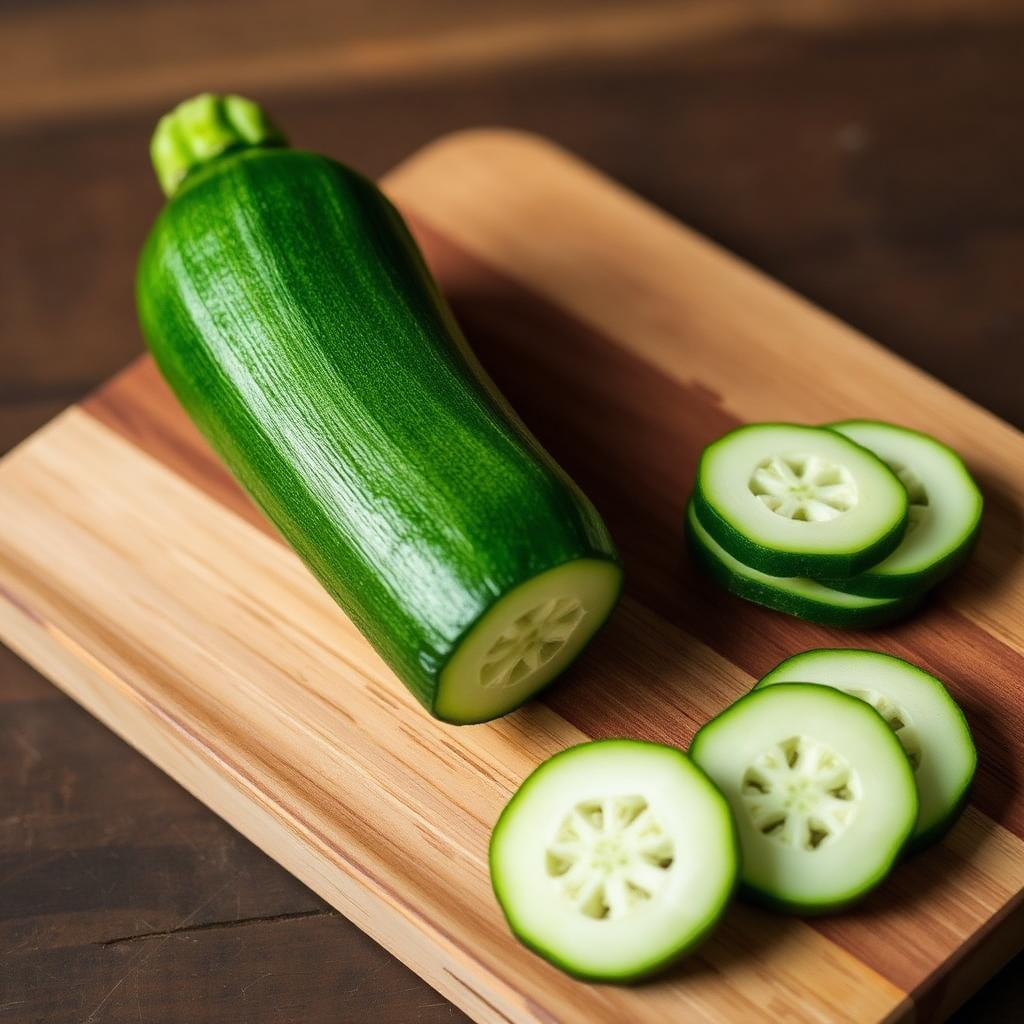
Understanding the FODMAP content of common vegetables like zucchini is crucial for individuals with Irritable Bowel Syndrome (IBS). FODMAPs (Fermentable Oligo-, Di-, Mono-saccharides And Polyols) are short-chain carbohydrates that are poorly absorbed in the small intestine. For sensitive individuals, this malabsorption can lead to symptoms such as bloating, gas, abdominal pain, constipation, and diarrhea.
Zucchini contains fructans, which are a type of oligo-saccharide. While small amounts of fructans are generally well-tolerated, larger portions can trigger IBS symptoms in those sensitive to this FODMAP group. The beauty of the low-FODMAP diet lies in identifying these 'thresholds' – the specific amounts of food that an individual can consume without experiencing symptoms.
Monash University's research, which forms the basis of the low-FODMAP diet, demonstrates that at a serving size of ⅓ cup (65 g), zucchini is low in fructans and therefore less likely to cause digestive distress. However, as the serving size increases to ½ cup (75 g) and beyond, the fructan content rises into the moderate and then high ranges, respectively. For someone with IBS, mistakenly consuming a large portion of zucchini could lead to a flare-up, making compliance with the elimination phase difficult or frustrating. By adhering to the recommended low-FODMAP portion, you can enjoy the nutritional benefits and versatility of zucchini without adverse reactions, helping to expand your dietary choices and improve your quality of life.
Common Mistakes to Avoid
Navigating the low-FODMAP diet can be tricky, and even with seemingly simple vegetables like zucchini, there are common pitfalls to watch out for.
Over-Portioning: This is by far the most frequent mistake. A whole medium zucchini can weigh well over 200g, significantly exceeding the low-FODMAP threshold. It’s easy to accidentally add too much to a stir-fry, casserole, or even a side dish if you're not weighing or measuring. Always remember the ⅓ cup (65g) safe limit.
"Health Halo" Effect: Zucchini is a very healthy vegetable, low in calories and rich in vitamins. This can sometimes lead people to believe they can eat unlimited amounts without issue, even on a low-FODMAP diet. While it is healthy, its FODMAP content still needs to be respected.
Ignoring Combined FODMAP Loads: While zucchini itself might be within limits, if you combine it with other moderate FODMAP foods (e.g., a small amount of onion, garlic-infused oil in higher quantities than recommended, or certain spice mixes), you could inadvertently exceed your overall FODMAP tolerance for a meal. This is known as "FODMAP stacking" and can lead to symptoms even if individual components are perceived as "safe."
Assuming All Squash are Equal: While yellow squash shares a similar appearance, its low-FODMAP serving size is slightly higher (75g). Don't assume that zucchini rules apply universally to all types of squash. Always check Monash for specific guidance.
Not Reassessing Tolerance: The low-FODMAP diet is not meant to be a permanent restriction. Some individuals, after an elimination and reintroduction phase, may find they can tolerate larger portions of fructans and thus, more zucchini. Sticking rigidly to the ⅓ cup limit forever without retesting could unnecessarily restrict your diet.
Meal Stacking & Portion Combinations
The success of the low-FODMAP diet often hinges on how you combine foods within a meal. While ⅓ cup (65g) of zucchini is low FODMAP, careful consideration is needed when adding other ingredients to avoid FODMAP stacking.
Here's how to thoughtfully incorporate zucchini into your meals:
Choose Low-FODMAP Companions: Pair your ⅓ cup (65g) zucchini with other undeniably low-FODMAP ingredients. For instance:
Grains: Rice, quinoa, gluten-free pasta (ensure no high-FODMAP ingredients).
Other Vegetables: Carrots, bell peppers (red/yellow/orange in low-FODMAP portions), spinach, kale, green beans, potatoes.
Fats: Olive oil, coconut oil, butter.
Herbs: Most fresh herbs like parsley, basil, thyme, rosemary are low FODMAP.
Be Mindful of Moderate-FODMAP Additions: If you include a small amount of another moderate-FODMAP food (e.g., a low-FODMAP portion of bell pepper or a specific spice mix), ensure its FODMAP type is different from zucchini's fructans, or that the combined fructan load remains well within tolerance. It's generally best to avoid combining two moderate-FODMAP foods from the same FODMAP group within one meal during the elimination phase.
Example Combinations for a Safe Meal:
Zucchini & Chicken Stir-fry: ⅓ cup (65g) zucchini, 1 cup bell pepper (red), 1 cup green beans, 4 oz chicken breast, rice noodles, garlic-infused oil, ginger, tamari. All components are low FODMAP in these quantities.
Roasted Vegetables: ⅓ cup (65g) zucchini, ½ cup carrots, 1 cup potatoes, 1 cup broccoli florets (safely portioned), olive oil, salt, pepper, rosemary. (Note: Broccoli has a moderate fructan serving at ½ cup, but the specific type of fructan might differ, and overall load may be fine; always test your own tolerance).
"Zoodles" with Marinara: ⅓ cup (65g) zucchini noodles, 2 oz lean ground beef, a low-FODMAP marinara sauce (ensure no onion/garlic, or only trace amounts).
Visualizing Portions: Since weighing isn't always practical, estimate ⅓ cup as roughly 5-6 thin slices of a medium zucchini, or about a third of a small to medium zucchini raw. Practicing with a scale at home can help you gain a better intuitive sense of the correct portion size.
Cooking, Prep & Storage Tips
Preparation & Cutting
Washing: Always wash zucchini thoroughly under cold running water before use.
Trim Ends: Trim off both the stem and blossom ends of the zucchini.
Peeling: Zucchini skin is entirely edible and contains beneficial nutrients and fiber. There's no need to peel it for low-FODMAP purposes, as Monash testing confirms skin-on zucchini is low FODMAP at the specified portion.
Cutting for Specific Uses:
Slices/Rounds: Ideal for grilling, roasting, or sautéing. Aim for uniform thickness (e.g., ¼ to ½ inch) for even cooking.
Diced/Chopped: Perfect for stir-fries, omelets, baking (ensure portion control), or adding to sauces.
Spiralized "Zoodles": Use a spiralizer tool. Remember ⅓ cup portions per serving for noodles. They cook quickly and can become watery if overcooked.
Ribbons: Use a vegetable peeler to create thin ribbons, great for salads or light sautéing.
Cooking Methods
Sautéing: Slice or dice zucchini, then sauté in a pan with garlic-infused oil for a few minutes until tender-crisp. Don't overcrowd the pan to ensure good browning.
Roasting: Toss zucchini slices or chunks with olive oil, salt, pepper, and low-FODMAP herbs (like rosemary or thyme). Roast at 400°F (200°C) for 15-20 minutes, flipping halfway, until tender and slightly caramelized.
Grilling: Slice zucchini lengthwise or into thick rounds. Brush with olive oil, season, and grill over medium-high heat for 3-5 minutes per side until grill marks appear and it's tender.
Steaming: A gentle method that preserves nutrients. Steam slices or chunks for 5-8 minutes until tender. Good for adding to salads or purees.
Baking: When adding to baked goods like low-FODMAP zucchini bread, grate the zucchini. Squeeze out excess water first to prevent a soggy result, then precisely measure your ⅓ cup portion before incorporating.
Storage
Fresh Zucchini: Store whole, unwashed zucchini in the crisper drawer of your refrigerator for up to 1-2 weeks. Washing before storage can accelerate spoilage.
Cut Zucchini: Once cut, store zucchini in an airtight container in the refrigerator for 2-3 days.
Cooked Zucchini: Cooked zucchini can be stored in an airtight container in the refrigerator for 3-4 days. Note that cooked zucchini can release more water upon reheating.
Freezing: Zucchini freezes well, which is great for meal prep.
Blanching (Recommended): Blanching helps preserve color, texture, and nutrients. Boil or steam zucchini slices/chunks for 1-2 minutes, then immediately plunge into ice water to stop cooking. Drain thoroughly.
Raw Freezing: You can also freeze raw grated or diced zucchini. Grated zucchini is excellent for future baking.
Packaging: Lay blanched or raw pieces in a single layer on a baking sheet to freeze individually. Once frozen, transfer to freezer bags or airtight containers. This prevents clumping.
Shelf Life: Frozen zucchini can last for 8-12 months. It's best used in cooked dishes like soups, stews, or casseroles, as the texture may be softer thawed.
Testing Your Personal Tolerance (Reintroduction Guidance)
The low-FODMAP diet is a three-phase process: Elimination, Reintroduction, and Personalization. Zucchini, with its fructan content, will be a key food to reintroduce to determine your personal tolerance.
Why Reintroduce Zucchini? Reintroduction helps you understand which specific FODMAPs trigger your symptoms and what quantities you can tolerate. This knowledge allows you to expand your diet over time, making it less restrictive and more enjoyable, while still managing your IBS symptoms effectively.
How to Reintroduce Fructans (using Zucchini as an example):
Ensure Symptom Stability: Before starting reintroduction, ensure you have been strictly following the elimination phase and your IBS symptoms are well-controlled and stable. This provides a clear baseline.
Choose a "Challenge" Food: Zucchini is a good choice for challenging fructans. Onions or garlic are other common fructan challenges, but zucchini might feel less intimidating for a first fructan challenge due to its slightly higher low-FODMAP threshold.
Preparation (Simple is Best): Prepare zucchini in a simple way (e.g., steamed, boiled, or lightly sautéed with just olive oil and salt) without other high-FODMAP ingredients to avoid confounding results.
The Reintroduction Protocol (Example Schedule):
Day 1 (Small Dose): Consume a small portion of zucchini (e.g., ⅓ cup / 65g, which is already known to be low FODMAP) with your regular low-FODMAP meal. Even though this is considered low FODMAP, some individuals might react to even this amount after a strict elimination, so it's a good starting point.
Day 2 & 3 (Rest Days): Return to your strict low-FODMAP diet. Monitor for symptoms throughout these days. It can take up to 48 hours for symptoms to appear.
Day 4 (Medium Dose): If no symptoms occurred on Days 1-3, try a slightly larger portion (e.g., ½ cup / 75g, which is moderate FODMAP) with your regular low-FODMAP meal.
Day 7 (Large Dose): If no symptoms occurred, try an even larger portion (e.g., ¾ cup to 1 cup / 100-150g, which is high FODMAP) with your regular low-FODMAP meal.
Record Keeping: Keep a detailed food and symptom diary throughout the reintroduction process. Note the date, portion size of zucchini consumed, the specific symptoms you experienced (type, severity, timing), and any other relevant observations.
Interpret Your Results:
No Symptoms: Congratulations! You likely tolerate fructans from zucchini well at that tested dose. You can gradually reintroduce similar fructan-containing foods or larger portions of zucchini.
Mild Symptoms: You might have reached your threshold. This indicates you can tolerate up to the previous dose without issues. For instance, if you reacted to 1 cup but not ½ cup, your personal safe limit for zucchini might be around ½ cup.
Severe Symptoms: Stop the challenge immediately and consult your dietitian.
Consult a Dietitian: Working with a registered dietitian who specializes in FODMAPs is highly recommended for the reintroduction phase. They can provide personalized guidance, help interpret your results, and develop a long-term dietary plan that suits your individual tolerances.
Remember, reintroduction is a slow, methodical process. Patience is key. The goal is to maximize your dietary variety while minimizing IBS symptoms.
Related Low-FODMAP Alternatives
While zucchini is a fantastic vegetable that can be enjoyed within low-FODMAP limits, sometimes you might want a larger portion or a different flavor profile without worrying about fructans. Here are some excellent low-FODMAP alternatives that can substitute for zucchini in many dishes:
Vegetable
Low-FODMAP Serving
FODMAP Type (if applicable)
Common Uses
Cucumber
1 cup (100g)
None detected
Salads, raw snacks, infused water, wraps (large slices)
Eggplant
1 cup (75g)
None detected
Roasting, grilling, stir-fries, stews, casseroles
Green Beans
½ cup (75g)
Fructans (at larger serves)
Sautéing, steaming, stir-fries, casseroles
Carrots
1 medium (61g)
None detected
Roasting, stir-fries, soups, stews, raw snacks
Bell Peppers
⅓ cup (red), ½ cup (yellow/orange)
Fructans (green, larger red)
Roasting, stir-fries, salads, stuffed peppers
Spinach
2 cups (75g)
None detected
Salads, sautéing, added to omelets/sauces
Potatoes
1 medium (130g)
None detected
Roasting, mashing, baking, frying
Pumpkin (canned)
¼ cup (45g)
GOS, fructans
Soups, purées, baking (strict portion)
Radishes
5-6 medium (75g)
None detected
Salads, raw snacks
How to Use Them as Substitutes:
Cucumber: If you're looking for a fresh, crisp addition to a salad or a crunchy snack, cucumber is an excellent choice for a larger portion without fructan concerns. While not ideal for cooking in the same way as zucchini, it can replace it in raw applications.
Eggplant: This versatile vegetable can mimic the texture of cooked zucchini well. It's great for grilling, roasting, or adding to vegetarian dishes as a substantial component. Its low-FODMAP serving is also slightly higher.
Green Beans: Though they do contain fructans at larger servings, the ½ cup (75g) portion is more generous than zucchini's initial low-FODMAP serve. They work well in stir-fries, sides, or casseroles where you'd use diced zucchini.
Carrots: While different in texture and flavor, finely diced carrots can add bulk and sweetness to dishes like stir-fries or baked goods where zucchini might be used, without any FODMAP concerns.
Bell Peppers (Red, Yellow, Orange): These offer vibrant color and a sweet flavor. They're excellent in stir-fries, fajitas, or roasted vegetable medleys where you might typically include zucchini. Be mindful of green bell peppers, which contain fructans at smaller servings.
By diversifying your vegetable choices with these alternatives, you can maintain variety and ensure you're getting a wide range of nutrients without exceeding your FODMAP tolerance.
Expert Insights
The information regarding zucchini's FODMAP content originates from robust scientific research, primarily conducted by Monash University and further interpreted by leading FODMAP-specialized dietitians like Kate Scarlata RDN.
Monash University's Role: Monash University, based in Australia, is the pioneering institution that developed and continues to research the low-FODMAP diet. Their dedicated research team, including gastroenterologists and dietitians, systematically analyzes the FODMAP content of foods using advanced laboratory techniques.
Analytical Method: Monash uses high-performance anion-exchange chromatography with pulsed amperometric detection (HPAEC-PAD) to accurately quantify the levels of specific FODMAP carbohydrates (oligosaccharides, disaccharides, monosaccharides, and polyols) in various foods.
Testing Zucchini: This rigorous testing is how they determined that zucchini contains fructans and identified the specific thresholds at which these fructans become moderate or high for a typical serving. The ⅓ cup (65 g) low-FODMAP serving is a direct result of these scientific measurements.
Continuous Updates: Monash regularly updates its findings, which are accessible through their indispensable Monash University FODMAP Diet App. This app is considered the "gold standard" for accurate FODMAP information, and it's essential for anyone following the diet to consult it regularly for the most current data. Their research ensures that the dietary recommendations are evidence-based and reliable.
Insights from Kate Scarlata RDN: Kate Scarlata is a highly respected registered dietitian and a leading expert in the low-FODMAP diet in the United States. She has extensively collaborated with Monash University and has dedicated a significant part of her career to educating both patients and healthcare professionals about IBS and digestive health.
Practical Application: Kate Scarlata often emphasizes the practical application of Monash data. She translates complex scientific findings into actionable advice for individuals with IBS. For zucchini, her guidance often aligns with Monash’s, reinforcing the importance of precise portion control.
FODMAP Stacking Awareness: A key aspect she highlights is FODMAP stacking. While individual foods might be low FODMAP, combining several low-FODMAP foods that contain the same type of FODMAP (e.g., fructans) can accumulate to a dose that triggers symptoms. For zucchini, which contains fructans, she would advise caution when pairing it with other fructan-containing foods, even in their "low" portions, if you are particularly sensitive.
Personalized Approach: Both Monash University's framework and Scarlata's expertise consistently underscore that the low-FODMAP diet is not a one-size-fits-all solution. Individual tolerance to FODMAPs, including fructans in zucchini, can vary significantly. The diet is designed to help individuals identify their personal thresholds through a systematic elimination and reintroduction process.
Beyond FODMAPs: While focusing on FODMAPs, experts like Scarlata also remind us that other factors like stress, gut motility, and the gut microbiome can influence IBS symptoms, and a holistic approach to digestive health is often most effective.
In summary, the specific portion guidance for zucchini stems from meticulous analytical testing by Monash University, and its practical application is championed by experts like Kate Scarlata, who help individuals navigate the diet effectively and make informed food choices. Relying on these sources ensures you are following the most up-to-date and scientifically sound low-FODMAP advice.
Additional FAQs
1. Does cooking zucchini change its FODMAP content? No, cooking methods like boiling, roasting, or sautéing do not significantly alter the fructan content or change the low-FODMAP serving size of zucchini. The FODMAPs are stable carbohydrates and are not broken down or removed by typical cooking processes.
2. Can I eat zucchini flowers on a low-FODMAP diet? Monash University has tested zucchini flowers, and they are listed as low FODMAP at a serving of 1 cup (45g) or 2 flowers. This is a delightful option for those following the diet!
3. Is zucchini skin safe to eat on a low-FODMAP diet? Yes, zucchini skin is perfectly safe and contains additional nutrients. Monash tests indicate that zucchini with the skin on is low FODMAP at the ⅓ cup (65g) serving. There's no need to peel it unless you prefer the texture.
4. What's the difference between green zucchini and yellow zucchini in terms of FODMAPs? Both green and yellow zucchini (often called yellow squash in North America) have been tested by Monash University. Green zucchini is low FODMAP at ⅓ cup (65g), while yellow squash is low FODMAP at a slightly higher serving of 75g (approximately ½ cup). Both contain fructans.
5. I accidentally ate too much zucchini and have symptoms. What should I do? If you accidentally consume a high-FODMAP portion of zucchini and experience symptoms, the best course of action is to return to your strict low-FODMAP diet for the next 2-3 days to allow your symptoms to subside. Stay hydrated, prioritize rest, and try to identify if any other factors contributed. Do not be discouraged; occasional slip-ups are part of the learning process.
This article is for informational purposes only and does not replace personalized advice from a registered dietitian or healthcare provider.
We use cookies for site functionality, analytics (Google Analytics) and advertising partners to personalize content and ads. Read our Cookie Policy and Privacy Policy.