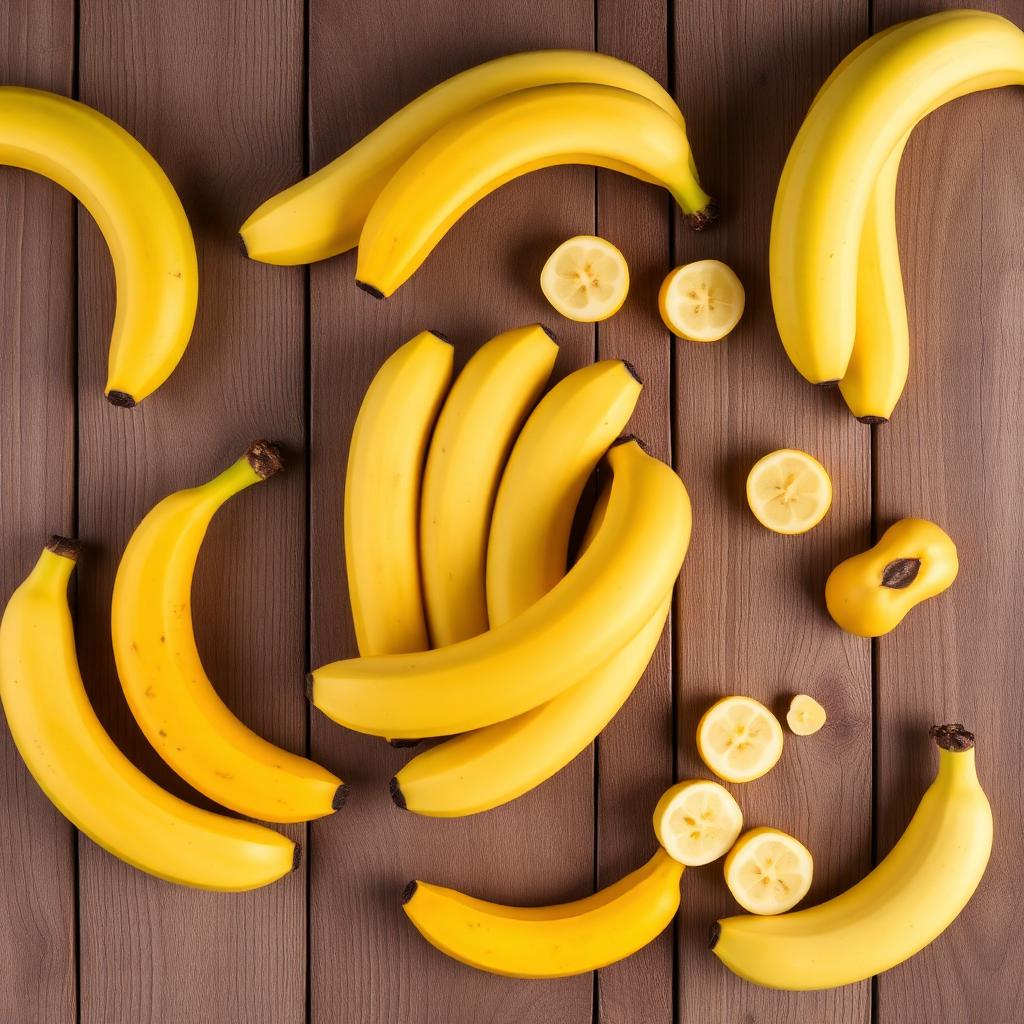
Short answer: Yes — firm bananas are low FODMAP, ripe ones only in small amounts. A firm, just-yellow banana is commonly listed as low FODMAP at 1 medium (100 g). A ripe, spotty banana has more fructans, so the low-FODMAP serve drops to about 1/3 banana (35 g).
Based on publicly available FODMAP research and intended for educational purposes. Individual tolerance and serving size can vary.
As bananas ripen, complex starches break down into fructans (a FODMAP). This is why ripe bananas taste sweeter — and why they can trigger IBS symptoms in larger portions.
Can I eat 2 unripe bananas at once? No — stacking exceeds the 100 g low FODMAP threshold.
Are plantains low FODMAP? Yes — plantains are low FODMAP in 1 cup (145 g) serves per Monash.
This article is for informational purposes only and is not medical advice. Always consult a FODMAP-trained dietitian for personalised guidance.
Why This Matters for IBS Sufferers
Understanding the nuanced FODMAP content of bananas is crucial for individuals managing Irritable Bowel Syndrome (IBS). Fructans, the specific FODMAP that increases in bananas as they ripen, are a common trigger for digestive symptoms such as bloating, gas, abdominal pain, and changes in bowel habits. For someone following a low FODMAP diet, even small deviations from recommended portion sizes or choosing the wrong ripeness level can lead to uncomfortable symptoms.
Many people with IBS instinctively avoid bananas altogether, fearing they are universally high in FODMAPs. This guide clarifies that unripe bananas can be a safe and nutritious addition to an IBS-friendly diet, offering valuable potassium, fiber, and an energy boost. By distinguishing between ripe and unripe, IBS sufferers can confidently incorporate bananas without unnecessary dietary restriction or the distress of accidental symptom flares. It empowers them to make informed food choices, promoting both digestive comfort and nutritional adequacy.
Common Mistakes to Avoid
Missteps when incorporating bananas into a low FODMAP diet are frequent. Here are some of the most common errors and how to prevent them:
Assuming all bananas are low FODMAP: The biggest mistake is not differentiating ripeness. Ripe bananas, with their increased fructan content, can easily trigger symptoms even in moderate portions.
"Stacking" FODMAPs unknowingly: Combining a low FODMAP banana portion with other foods that contain small amounts of fructans (e.g., a small handful of almonds, a specific type of gluten-free bread) can inadvertently lead to an exceedance of your personal fructan threshold. Always consider the total FODMAP load of a meal.
Overestimating low FODMAP serving sizes: The "1 medium (100g)" for unripe bananas might be larger or smaller than what you perceive as "medium." Using a food scale, especially initially, is highly recommended to ensure accurate portioning. For ripe bananas, the 35g serving is very small and easily surpassed.
Using ripe bananas in cooked dishes: Recipes like banana bread or muffins often call for ripe, mashed bananas for sweetness and moisture. Unless specifically formulated for low FODMAP with unripe bananas and appropriate portioning, these dishes will likely be high in fructans.
Not reading labels for dried banana products: While dried banana chips have a 10g low FODMAP serve, many commercially prepared dried banana products, especially "soft-dried" or those with added ingredients, might have concentrated FODMAPs or other high FODMAP additives. Always double-check ingredient lists and serve sizes.
Ignoring personal tolerance: While Monash guidelines provide a safe starting point, individual tolerance to fructans can vary. Some individuals may tolerate slightly more ripe banana, while others might react to even smaller amounts. Skipping the reintroduction phase can lead to ongoing confusion about personal triggers.
Meal Stacking & Portion Combinations
Understanding FODMAP "stacking" is vital when consuming any low FODMAP food, and bananas are no exception. Stacking occurs when multiple foods, each low in FODMAPs individually, are combined in a meal, and their collective FODMAP content pushes the meal into high FODMAP territory. For bananas, this primarily concerns fructans.
Here's a table illustrating smart and less-smart combinations:
Scenario
Banana Type/Portion
Other Meal Components (FODMAP Category)
Potential FODMAP Stacking?
Recommendation
Good Example
Unripe banana (100g)
Lactose-free yogurt, small serve walnuts, chia seeds
Ensure granola portion is mindful of other fructans/GOS
Risky Example
Unripe banana (100g)
Half serving of avocado (sorbitol), small handful of pistachios (fructans/GOS)
High risk
Too many different FODMAPs in one meal
Risky Example
Ripe banana (35g)
Gluten-free bread with fructans (e.g., some GF breads use inulin)
High risk
Overlapping fructans
Risky Example
Dried banana chips (10g)
Energy bar with dates/figs (fructans)
High risk
Concentrated fructans from multiple sources
When planning meals, mentally or actually tally the FODMAP content of each ingredient, paying particular attention to the specific FODMAP category (e.g., fructans in bananas, GOS in some nuts, lactose in dairy). Remember that different FODMAP types are generally metabolized separately, so combining a small amount of fructan with a small amount of sorbitol is often better tolerated than combining two small amounts of fructans.
However, the safe strategy is to avoid combining a low FODMAP portion of banana with other foods that contain any amount of fructans, unless you are confident in your personal tolerance levels. Always prioritize single-FODMAP meals during the elimination phase to accurately identify triggers.
Cooking, Prep & Storage Tips
Incorporating bananas safely into a low FODMAP diet requires careful attention from shopping to slicing.
Shopping for Unripe Bananas: Look for bananas that are primarily yellow with noticeable green at the tips and along the ridge lines. Avoid any bananas with brown spots, as this indicates the ripening process has significantly advanced. Choose firm bananas that don't yield easily to pressure.
Maximizing Unripe Life: To slow down ripening, store unripe bananas at room temperature, away from other ripening fruits like apples or avocados, which release ethylene gas. You can also wrap the stems in plastic wrap to reduce ethylene exposure.
Freezing Unripe Bananas: This is an excellent strategy to preserve their low FODMAP status. Peel and slice firm, green-tipped bananas into desired portions (e.g., 100g or individual 35g portions for future "ripe banana" tolerance testing). Spread them in a single layer on a parchment-lined baking sheet and freeze until solid. Once frozen, transfer them to an airtight freezer bag. Frozen unripe banana slices are perfect for smoothies, "nice cream," or adding to oatmeal.
Low FODMAP Banana Bread/Muffins: When making these, replace ripe bananas with unripe ones. While this might slightly reduce the sweetness, it maintains the low FODMAP profile. You might need to add a touch more sugar or a low FODMAP sweetener if extra sweetness is desired. Ensure all other ingredients (flour, liquid, etc.) are also low FODMAP. For example, use a gluten-free flour blend without inulin or chickpea flour.
Banana Pancakes/Waffles: Similarly, use firm, unripe bananas mashed or blended into the batter. This helps achieve a banana flavor without the high fructan load of ripe bananas.
Preventing Browning of Sliced Bananas: If you're preparing sliced unripe bananas for a fruit salad or a snack later, lightly coat them with a few drops of lemon juice or lime juice to prevent oxidation and browning.
Making Banana "Nice" Cream: Blend frozen unripe banana slices with a splash of lactose-free milk or water until smooth and creamy for a refreshing, low FODMAP dessert. You can add other low FODMAP fruits like a small handful of berries.
Testing Your Personal Tolerance (Reintroduction Guidance)
The low FODMAP diet is an elimination and reintroduction diet for a reason. While Monash provides general guidelines, individual tolerance to FODMAPs, including fructans from bananas, can vary significantly. Once you have completed the elimination phase and symptoms have improved, you're ready to systematically reintroduce FODMAPs.
Here’s how to test your personal tolerance to bananas (fructans):
Choose Your Challenge: Fructans are abundant in many foods, so you'll typically start with a single fructan-containing food (Monash often recommends wheat bread for its commonality, but bananas are also an option).
Start with Unripe Banana: Begin by reintroducing unripe banana first, even if you’ve been consuming it in the elimination phase. This helps confirm your baseline tolerance.
Day 1 (Unripe): Consume 1/2 of a low FODMAP unripe banana portion (e.g., 50g). Monitor symptoms for 2-3 days.
Day 4 (Unripe, if no symptoms): If tolerated, consume a full low FODMAP unripe banana portion (100g). Monitor for 2-3 days.
Day 7 (Unripe, if no symptoms): If tolerated, try a slightly larger portion, perhaps 1.5 times the low FODMAP serving (150g). Monitor for 2-3 days. This helps identify your upper limit for unripe bananas.
Progress to Ripe Banana (after establishing unripe tolerance): Once you've confidently established your tolerance for unripe bananas, you can test ripe bananas specifically to assess fructan sensitivity.
Day 1 (Ripe): Consume a small, low FODMAP portion of ripe banana (35g). Monitor symptoms for 2-3 days.
Day 4 (Ripe, if no symptoms): If no symptoms, try a slightly larger portion, perhaps 70g (approximately 2/3 of a medium banana). Monitor for 2-3 days.
Day 7 (Ripe, if no symptoms): If tolerated, try a full medium ripe banana (approx. 100g). This will determine if you react to the higher fructan level.
Record Everything: Keep a detailed food and symptom journal. Note the type of banana (ripe/unripe), exact portion size, time of consumption, and any symptoms experienced (bloating, gas, pain, stool changes, intensity, duration).
Patience is Key: Allow sufficient "washout" periods (usually 2-3 days) between challenges of different foods or progressively larger portions to ensure any symptoms can be clearly attributed to the food being tested.
Interpret Results:
No Symptoms: You likely tolerate that level and type of banana. Note your personal threshold.
Mild Symptoms: You might tolerate smaller amounts, but that portion is too high.
Significant Symptoms: You have a low tolerance for that type/amount of banana.
This systematic approach, ideally guided by a FODMAP-trained dietitian, helps you accurately identify your personal banana tolerance, allowing for a more liberal and varied, yet symptom-free, diet.
Related Low-FODMAP Alternatives
While unripe bananas offer a great low FODMAP option, it's beneficial to know other fruit alternatives to add variety and ensure you're meeting your nutritional needs without triggering symptoms.
Fruit
Low FODMAP Serve (Monash)
Notes
FODMAP Category
Berries
Blueberries
1 cup (125g)
Excellent in smoothies, oatmeal
Fructans (at larger serves)
Raspberries
30 berries (60g)
Good source of fiber
Fructans (at larger serves)
Strawberries
5 medium (65g)
Versatile, great fresh
Fructans (at larger serves)
Citrus
Orange
1 medium (130g)
Vitamin C rich
No detectable FODMAPs
Mandarin
1 medium (90g)
Easy to peel snack
No detectable FODMAPs
Grapefruit
1/2 medium (80g)
Watch for medication interactions
Fructans (at larger serves)
Lemon/Lime
As desired
Flavor enhancers
No detectable FODMAPs
Other Fruits
Grapes
1 cup (150g)
Red or green
Fructans (at larger serves)
Kiwi (Green)
2 small (140g)
Good for gut motility
Fructans (at larger serves)
Cantaloupe
1 cup (160g)
Hydrating and refreshing
Fructans (at larger serves)
Honeydew Melon
1 cup (130g)
Mildly sweet
Small fructans (at larger serves)
Papaya (unripe)
1 cup (140g)
Less sweet, firm
No detectable FODMAPs initially
Pineapple
1 cup (140g)
Fresh or canned in syrup (drained)
Fructans (at larger serves)
This table serves as a quick reference for expanding your low FODMAP fruit repertoire. Always refer to the Monash FODMAP App for the most up-to-date and comprehensive serving sizes, especially if you have highly sensitive digestion.
Expert Insights
The cornerstone of low FODMAP dietary advice, including guidance on bananas, comes from the rigorous scientific research conducted by Monash University in Australia. Their work revolutionized IBS management by identifying the specific carbohydrates (FODMAPs) that trigger symptoms and developing a systematic approach to dietary modification.
Key insights from Monash University regarding bananas:
Ripening Process: Monash University's extensive food testing identified that the carbohydrate composition of bananas significantly changes during ripening. Unripe bananas contain resistant starch, which is digested differently and doesn't contribute significantly to FODMAP load. As the banana ripens, this resistant starch converts into simple sugars and also fructans, which are fermentable carbohydrates problematic for IBS. This explains the taste change (sweeter) and the FODMAP shift.
Fructan Concentration: Their testing pinpointed fructans as the primary FODMAP responsible for symptoms in ripe bananas. While glucose and fructose are present, it's the fructan content that dictates the low vs. high FODMAP classification.
Portion Specificity: The precise gram measurements (100g for unripe, 35g for ripe) are not arbitrary. They are derived from laboratory testing to ensure that at these portions, the FODMAP content falls below the threshold known to trigger symptoms in most individuals with IBS. This granular data is why the Monash FODMAP App is the gold standard for accurate information.
Contributions from Dietitians like Kate Scarlata RDN:
FODMAP-trained dietitians, such as Kate Scarlata RDN, play a vital role in translating Monash's scientific findings into practical, real-world advice for patients. Scarlata, a prominent voice in the IBS and low FODMAP community, continually emphasizes:
Individualization: While Monash provides general guidelines, she consistently highlights that the low FODMAP diet is highly individualized. What constitutes a trigger or a tolerable amount can vary based on an individual's gut microbiome, genetics, and sensitivity levels. This reinforces the importance of the reintroduction phase.
Beyond the Elimination Phase: Scarlata advocates for viewing the low FODMAP diet not as a permanent restriction but as a tool for identification and personalization. Her work promotes a diverse and sustainable diet post-elimination, where individuals understand their triggers and can reintroduce as many foods as possible.
Practical Application: She provides practical tips for navigating food choices, preparing meals, and understanding food labels, all within the framework of scientific evidence. Her resources often bridge the gap between academic research and daily dietary management.
These expert insights collectively underpin the advice provided in this guide, stressing the importance of both scientific accuracy and personalized application for successful IBS management.
Additional FAQs
1. Can organic bananas be high FODMAP? Yes, the organic status of a banana does not influence its FODMAP content. Ripeness remains the crucial factor, regardless of whether the banana is conventionally grown or organic. An organic ripe banana will still be high in fructans in larger serves.
2. Is there a difference between miniature "child" bananas and regular ones for FODMAPs? FODMAP content is based on weight, not size or specific variety for standard bananas. A miniature banana (often labeled 'ladyfinger' or 'sugar' banana) would still need to be unripe and weighed to determine its low FODMAP portion (e.g., 100g total). However, some specialty banana varieties (like plantains) have different FODMAP profiles, as noted previously. Always refer to the Monash app if in doubt about a specific unique variety.
3. I accidentally ate a whole ripe banana. What should I do? Don't panic! If symptoms arise, use your usual comfort strategies (e.g., peppermint oil capsules, gentle heat, rest). Reassess your food choices for subsequent meals to ensure you stay within your low FODMAP limits. Use it as a learning experience and redouble your efforts in monitoring ripeness and portion sizes going forward.
4. Can I use banana flour in low FODMAP recipes? Banana flour is typically made from green, unripe bananas. According to Monash University, green banana flour is low FODMAP at a 2/3 cup (100g) serve. This makes it a great gluten-free, low FODMAP alternative in baking, particularly for adding resistant starch which can be beneficial for gut health. Always double check ingredients if it's a blended flour or contains other additives.
5. Does cooking affect the FODMAP content of bananas (e.g., baking, frying)? Cooking itself does not significantly alter the fructan content of a banana. If you start with an unripe, low FODMAP banana, it will remain low FODMAP after cooking, as long as the portion size is maintained. Conversely, cooking a ripe, high FODMAP banana will not reduce its fructan level. The key is the initial ripeness.
This article is for informational purposes only and does not replace personalized advice from a registered dietitian or healthcare provider.
We use cookies for site functionality, analytics (Google Analytics) and advertising partners to personalize content and ads. Read our Cookie Policy and Privacy Policy.