Why this smoothie is safe for IBS
Most "healthy" smoothies pack in whole banana, honey, milk, and mango — a stack of FODMAPs guaranteed to trigger bloating. This recipe uses only low-FODMAP portions: ⅓ firm banana (fructans stay low), 10 strawberries (Low FODMAP at 150 g), lactose-free milk (0 g lactose), and a small dose of maple syrup (2 tbsp is safe). The result: creamy, sweet, and gut-friendly.
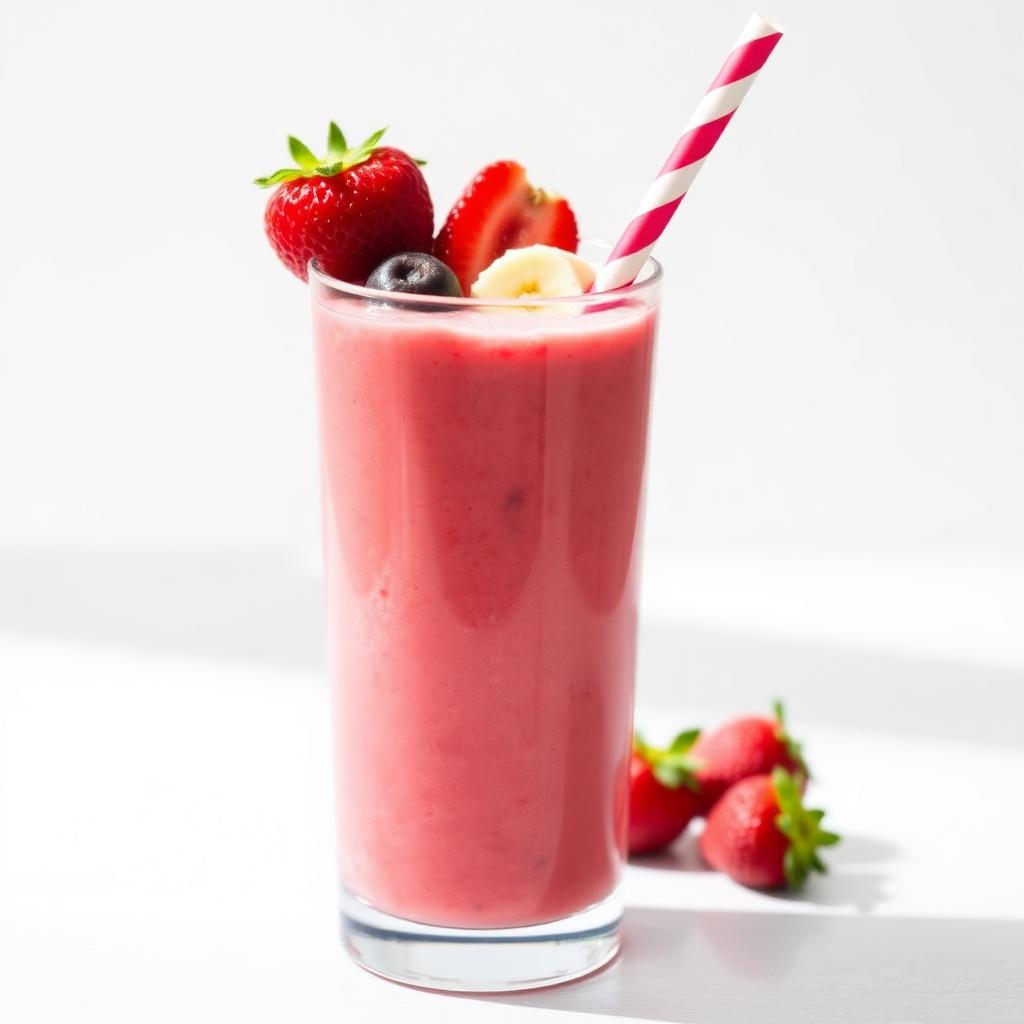
Ingredient portion breakdown (low FODMAP)
| Ingredient | Amount | Why it's safe |
|---|---|---|
| Lactose-free milk | 1 cup (250 ml) | 0 g lactose — unlimited |
| Firm (just-ripe) banana | ⅓ medium | Low FODMAP at 35 g; ripe banana becomes High at ⅓ |
| Strawberries | 10 medium (140 g) | Low up to 150 g |
| Maple syrup | 1 tbsp | Low up to 2 tbsp |
| Lactose-free yoghurt | 2 tbsp | Low up to 170 g |
| Chia seeds | ½ tsp | Low up to 2 tbsp |
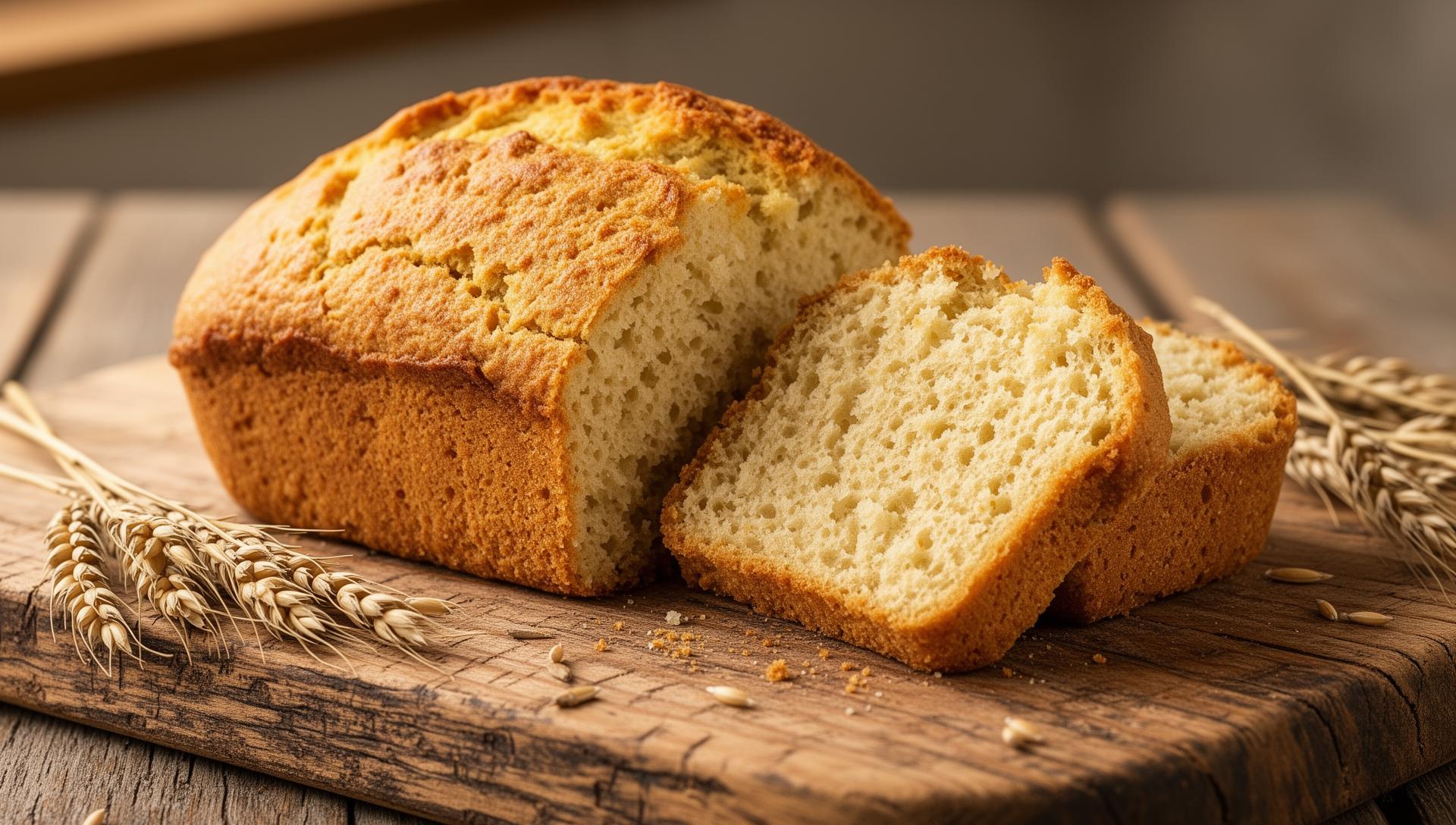
Firm vs ripe banana: Monash rates firm (just-ripe, still slightly green) banana as Low FODMAP up to ⅓ medium. Ripe (spotty) banana is High even at ⅓ because fructans increase as bananas ripen. Same rule we use in our Low FODMAP Banana Bread.
Instructions
- Add the liquid first — pour lactose-free milk into the blender. This helps blades move freely.
- Add fruit + yoghurt — firm banana, strawberries, and yoghurt.
- Sweeten — 1 tbsp maple syrup (skip if berries are ripe and sweet).
- Blend for 30 seconds on high until smooth.
- Add ice — ½ cup ice cubes, blend another 15 seconds for a thick, cold texture.
- Pour and serve immediately — smoothies separate within 5–10 minutes.
4 flavor variations (all Low FODMAP)
1. Blueberry Vanilla
- Swap strawberries → ¼ cup blueberries (40 g, Low FODMAP)
- Add ½ tsp vanilla extract
2. Peanut Butter Banana
- Add 1 tbsp natural peanut butter (see Is Peanut Butter Low FODMAP?)
- Skip the yoghurt
3. Green Kiwi
- Swap strawberries → 1 small kiwi + handful of spinach (75 g)
- Add 1 tsp lemon juice
4. Chocolate Protein
- Add 1 tbsp cocoa powder + 1 scoop rice or whey-isolate protein
- Skip maple syrup
High → Low FODMAP swap chart
| Instead of | Use |
|---|---|
| Regular milk | Lactose-free milk or almond milk |
| Whole ripe banana | ⅓ firm banana + extra berries |
| Mango or apple | Strawberries, blueberries, or kiwi |
| Honey | Maple syrup (up to 2 tbsp) |
| Greek yoghurt | Lactose-free plain yoghurt |
| Cashew or pistachio butter | Peanut or macadamia butter |
Common mistakes to avoid
- Using ripe (spotty) banana — the number-one reason a smoothie triggers symptoms. Firm bananas only.
- Doubling the strawberries — 150 g is the Monash cap; over that and fructans stack.
- Adding "just a splash" of apple juice — apple juice is High FODMAP at 100 ml. Use pineapple juice (200 ml Low) if you need juice.
- Blending in whey protein concentrate — this contains lactose. Use whey isolate or rice protein instead.
Make-ahead & storage
- Freeze fruit portions in single-serve zip bags (10 strawberries + ⅓ firm banana per bag). Blend straight from frozen — skip the ice.
- Batch prep for a week: 5 bags in the freezer = 5 morning smoothies in under 60 seconds.
- Do not freeze the finished smoothie — texture becomes grainy.
What to pair it with
Serve alongside our Low FODMAP Overnight Oats or Fluffy Low FODMAP Pancakes for a full breakfast. For more ideas, browse our Low FODMAP Breakfast Hub.
Nutrition (per serving, approx.)
- Calories: 240 kcal
- Protein: 9 g
- Carbs: 42 g
- Fibre: 4 g
- Fat: 4 g
Sources & further reading
- Monash University FODMAP App — banana, strawberry, milk portions
- Monash Blog: banana ripeness and FODMAPs — firm vs ripe science
- Our FODMAP Stacking Guide — how portions add up across a meal
- Low FODMAP Food Checker — verify any smoothie add-in
Written by the LowFODMAPRecipe.com Editorial Team. Educational content, not medical advice. Individual tolerance and serving size can vary — work with a registered dietitian or doctor for personal guidance.