Low FODMAP

    Low FODMAP Spinach and Feta Scrambled Eggs — High-Protein IBS-Friendly Breakfast

    t
    the LowFODMAPRecipe.com Editorial Team
    •June 22, 2026

    Total Time

    10 min

    Servings

    1

    Prep

    5 min

    Cook

    5 min

    Share:
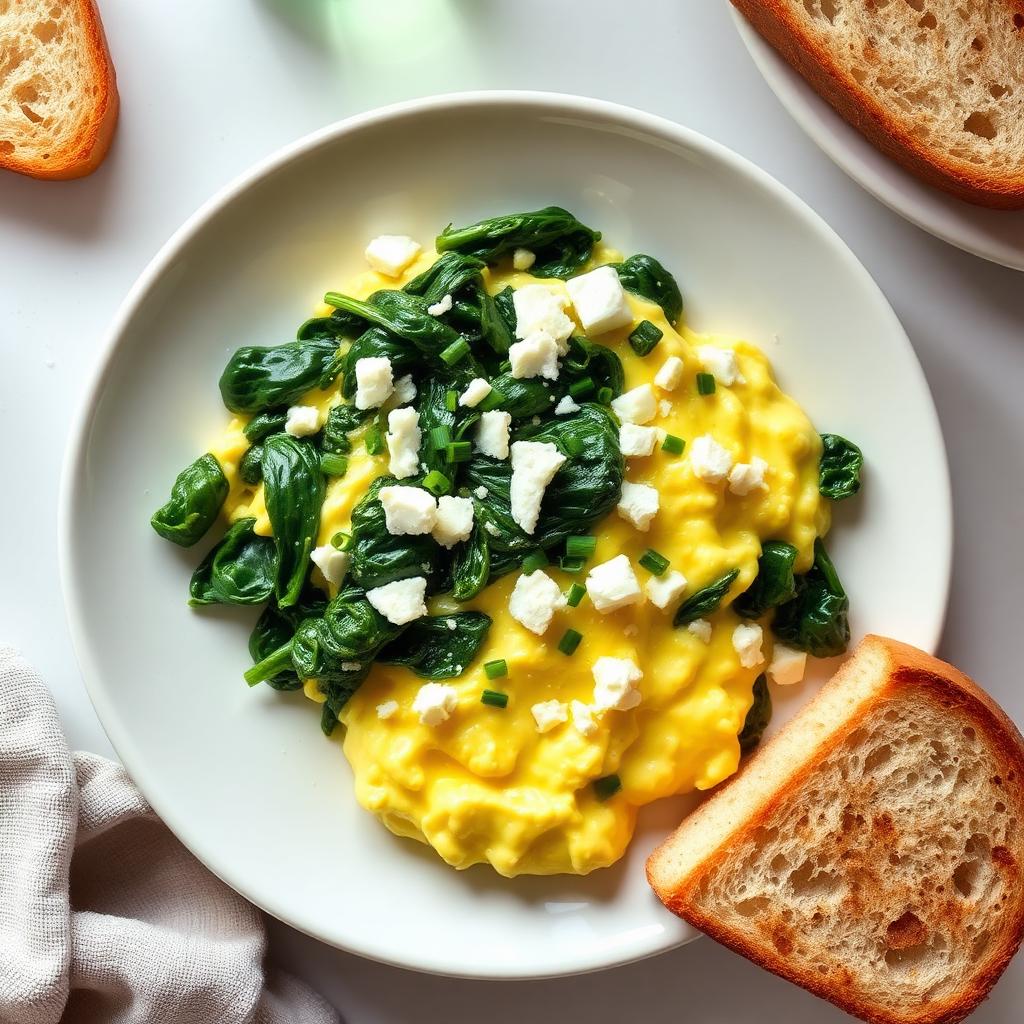
    Low FODMAP Spinach and Feta Scrambled Eggs — High-Protein IBS-Friendly Breakfast — low FODMAP breakfast ready to serve
    Written & reviewed by the LowFODMAPRecipe.com editorial team• Educational content, not medical advice
    Published June 22, 2026Updated July 21, 2026

    These Low FODMAP Spinach and Feta Scrambled Eggs are the ultimate savory, high-protein breakfast for anyone managing IBS or following the low FODMAP diet. Soft, custardy eggs are folded with wilted baby spinach, salty crumbled feta, and a hint of chive-infused olive oil for a flavor-packed bowl that comes together in just 10 minutes. Naturally gluten-free, grain-free, and gentle on sensitive digestion, this recipe is perfect for busy mornings, slow weekend brunches, or post-workout fuel. Serve over a slice of sourdough spelt bread or alongside a handful of low FODMAP fruit for a complete, satisfying meal.

    Ingredients

    • 3 large eggs
    • 1 cup fresh baby spinach
    • 2 tbsp crumbled feta cheese
    • 1 tbsp garlic-infused olive oil
    • 1 tbsp lactose-free milk
    • 1 tbsp chopped fresh chives (green tops only)
    • Salt and black pepper to taste

    Whisking the Eggs

    Crack the eggs into a bowl and add the lactose-free milk, a pinch of salt, and a few grinds of black pepper. Whisk vigorously for 30 seconds until light, frothy, and fully combined — this is the secret to fluffy scrambled eggs.

    Wilting the Spinach

    Heat the garlic-infused olive oil in a non-stick skillet over medium heat. Add the baby spinach and cook for 30–60 seconds, stirring constantly, just until wilted. Garlic-infused oil delivers all the savory flavor without any FODMAPs.

    Scrambling Low and Slow

    Reduce the heat to medium-low and pour in the whisked eggs. Let them sit undisturbed for 10 seconds, then use a silicone spatula to gently push the eggs from the edges toward the center, creating large, soft curds.

    Continue folding gently for 2–3 minutes. When the eggs are still slightly glossy and 90% set, remove the pan from the heat — they''ll finish cooking from residual heat.

    Finishing & Serving

    Sprinkle the crumbled feta over the warm eggs and gently fold once or twice. Transfer to a plate, top with chopped chives, and serve immediately.

    Serving Suggestions

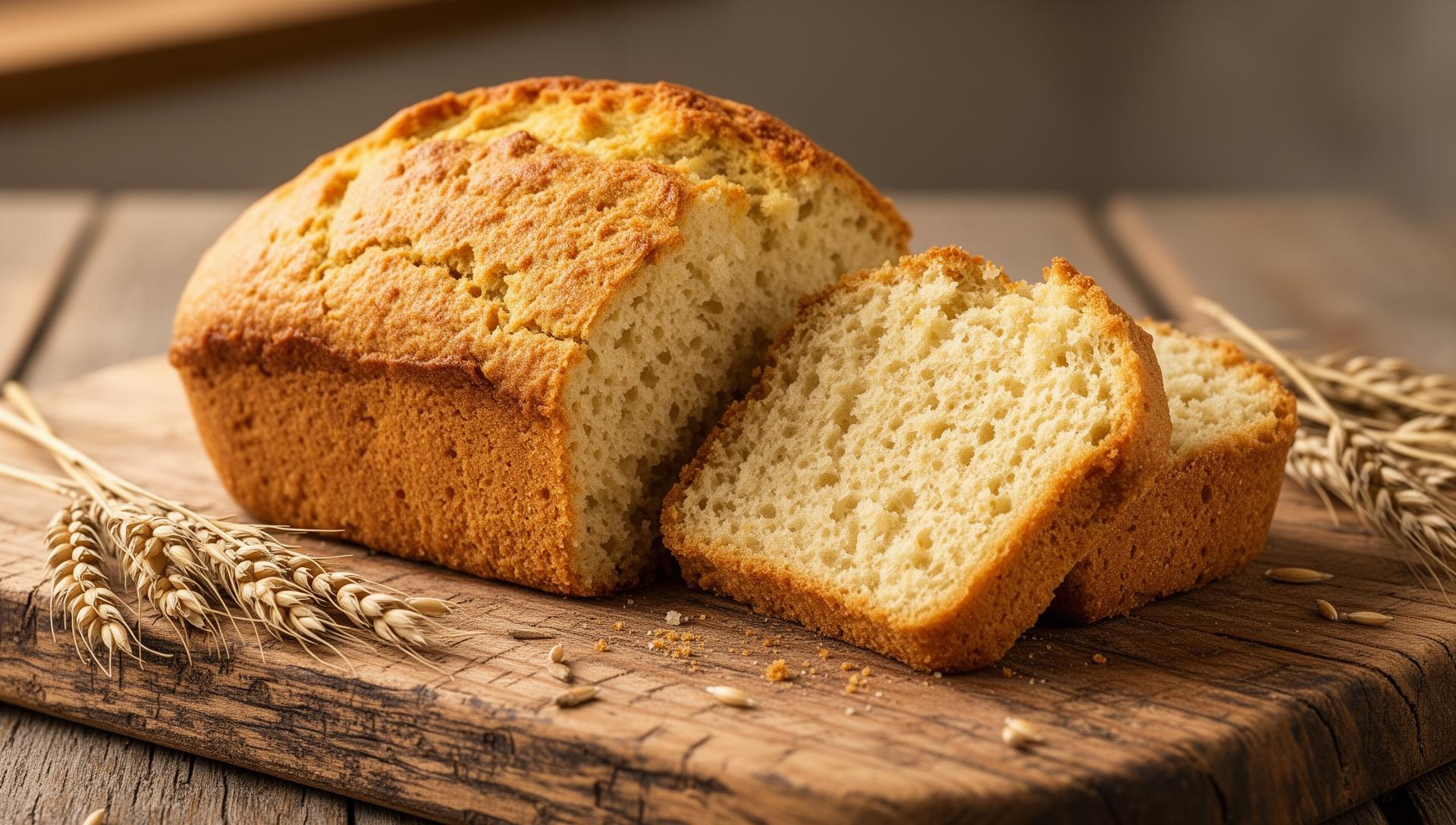
    • Pair with a slice of toasted sourdough spelt bread (low FODMAP up to 2 slices)
    • Add a side of fresh strawberries or kiwi for natural sweetness
    • Drizzle with extra garlic-infused olive oil for richness

    Need to confirm a cheese, milk, or veggie is safe? Our Low FODMAP Food Checker covers thousands of ingredients. Want a different cheese? The FODMAP Substitution Finder suggests safe swaps for feta and other dairy.

    Love savory breakfasts? Try our Low FODMAP Blueberry Oatmeal for a sweet morning option, or explore all our IBS-friendly recipes.
    FODMAP Notes

    FODMAP Safety Breakdown:

    This recipe is safe for all phases of the low FODMAP diet:

    • Eggs: FODMAP-free protein, safe in unlimited quantities
    • Baby spinach: Low FODMAP up to 1.5 cups per serve
    • Feta cheese: Low FODMAP up to 40g per serve — naturally low in lactose
    • Garlic-infused olive oil: FODMAPs are not oil-soluble, so the oil delivers garlic flavor without the fructans
    • Lactose-free milk: Safe in 1 cup servings
    • Chives (green tops): Low FODMAP — only the green portion, never the white bulb
    • Spelt sourdough: Low FODMAP up to 2 slices (109g) per serve

    Avoid regular milk, ricotta, cottage cheese, onion, or regular garlic, which are all high FODMAP.

    Practical Low FODMAP Notes for Low FODMAP Spinach and Feta Scrambled Eggs — High-Protein IBS-Friendly Breakfast

    Low FODMAP Spinach and Feta Scrambled Eggs — High-Protein IBS-Friendly Breakfast is most useful when the serving size stays consistent, because FODMAP tolerance often changes when portions creep upward. Use the listed servings as the starting point, then portion leftovers before storing so the meal stays predictable on busier days. If you are cooking for family members who do not follow a low FODMAP plan, keep onion, garlic, wheat-heavy sides, and high-FODMAP sauces separate at the table instead of mixing them into the main recipe.

    Ingredient notes: this recipe uses 3 large eggs, 1 cup fresh baby spinach, 2 tbsp crumbled feta cheese, 1 tbsp garlic-infused olive oil, 1 tbsp lactose-free milk, 1 tbsp chopped fresh chives (green tops only), Salt and black pepper to taste. Check packaged ingredients carefully, especially broths, spice blends, gluten-free mixes, condiments, and dairy substitutes, because garlic powder, onion powder, inulin, chicory root fiber, high-fructose sweeteners, and wheat-based thickeners can appear in small print. When unsure, choose plain versions and add flavor with garlic-infused oil, fresh herbs, citrus, ginger, chives, scallion greens, or low FODMAP spice blends.

    For IBS-friendly meal prep, cool leftovers quickly and refrigerate in shallow containers. Reheat only the portion you plan to eat, and add fresh herbs, lemon juice, or a small drizzle of garlic-infused oil after reheating to bring the flavor back without relying on high-FODMAP aromatics. If a recipe feels too rich during a flare, pair it with a simple low FODMAP side such as rice, potatoes, quinoa, lettuce, cucumber, carrots, or another tolerated vegetable.

    This recipe is intended for general low FODMAP education, not medical advice. Individual tolerance varies, so use your dietitian’s guidance and your own symptom history when deciding whether to repeat, increase, or modify a serving. During the elimination phase, keep portions conservative; during reintroduction, test one FODMAP group at a time so you can clearly identify personal triggers.

    Helpful next steps: use the FODMAP Food Checker before adding new ingredients, try the Ingredient Swap Tool when a sauce or seasoning is questionable, and save recipes that worked well so you can build a reliable rotation of breakfasts, lunches, dinners, and snacks.

    Storage Tips

    Store in an airtight container in the refrigerator for up to 3-4 days. This recipe freezes well for up to 3 months.

    Recipe FAQs

    Rate this recipe

    Your rating

    Comments (0)

    Please log in to comment.

    No comments yet. Be the first!