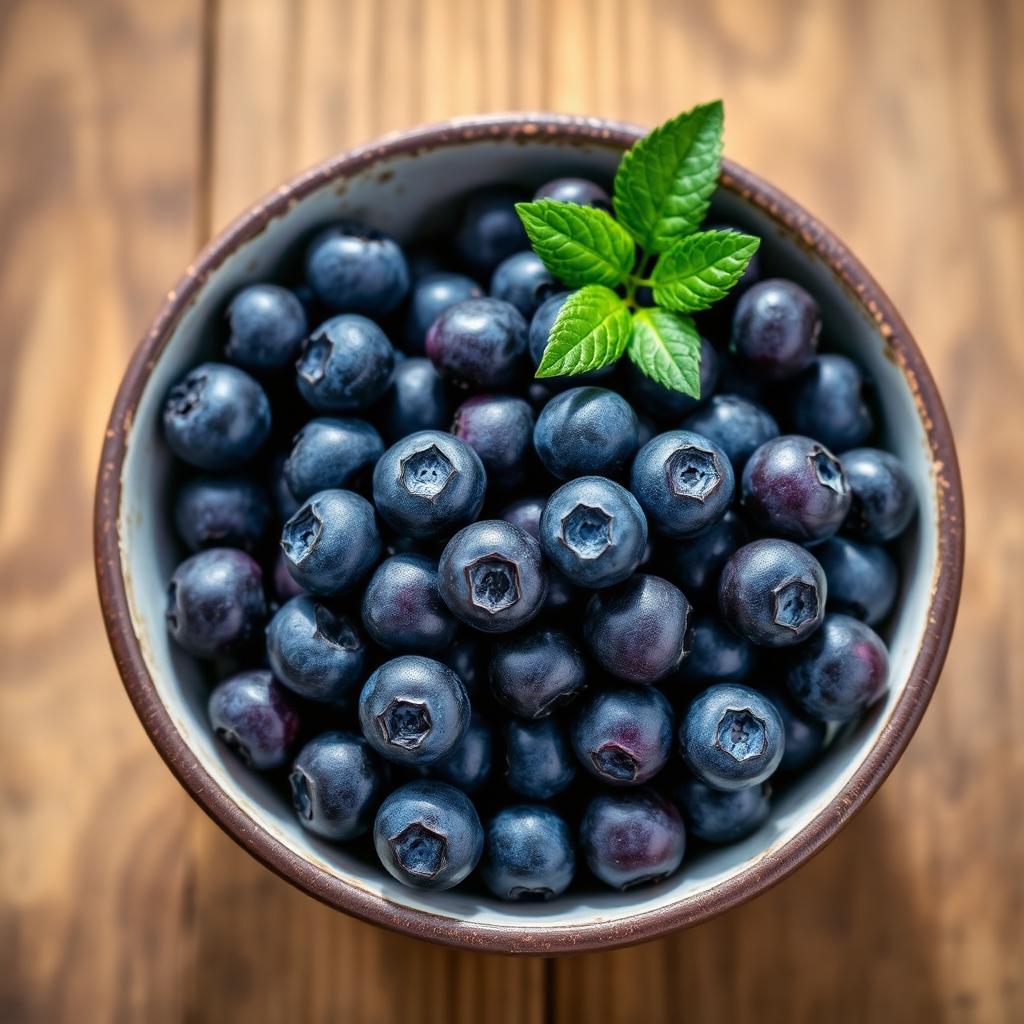
Short answer: Yes — blueberries are low FODMAP at 28 g (about ¼ cup / 14 berries) per serve per Monash University. Above ~40 g, fructans climb into moderate range.
Key Takeaways
Safe serve: 28 g (~¼ cup) fresh blueberries
40 g = 🟡 moderate; 75 g+ = 🔴 high (fructans)
Frozen blueberries follow the same portion rules
Wild/small blueberries and cultivated varieties are equivalent per Monash
Understanding the precise FODMAP content of fruits like blueberries is crucial for individuals managing Irritable Bowel Syndrome (IBS). Fructans, the specific FODMAP found in blueberries at higher quantities, are a type of short-chain carbohydrate that can be poorly absorbed in the small intestine. For those with IBS, this malabsorption can lead to fermentation by gut bacteria, causing symptoms such as bloating, gas, abdominal pain, and changes in bowel habits.
The Monash University Low FODMAP Diet is designed to identify and temporarily restrict these problematic carbohydrates. By consuming blueberries within the recommended low FODMAP serving size of 28g, IBS sufferers can enjoy the nutritional benefits and taste of this fruit without triggering their symptoms. Exceeding this amount, even slightly, can quickly increase the fructan load, pushing the body's tolerance threshold and potentially causing discomfort. This careful portion control empowers individuals to expand their dietary variety while maintaining symptom control, fostering a more positive and less restrictive eating experience. Uncontrolled consumption of moderate or high FODMAP foods can lead to symptom flare-ups, which can be discouraging and make it harder to identify individual triggers. Adhering to the Monash guidelines for blueberries helps maintain gut comfort and provides clarity within the often complex IBS diet.
Common Mistakes to Avoid
Navigating the low FODMAP diet successfully involves more than just knowing what foods are low FODMAP; it also requires understanding common pitfalls. Here are key mistakes to avoid when incorporating blueberries into your low FODMAP journey:
Mistake
Description
Low FODMAP Solution
Ignoring portion sizes
Assuming "low FODMAP" means unlimited consumption.
Always measure or weigh your 28g (approximately ¼ cup) serving.
"Eyeballing" portions
Estimating serving sizes can lead to accidental overconsumption.
Use measuring cups or a kitchen scale, especially during the elimination phase.
Forgetting about stacking
Combining multiple low FODMAP foods that contain the same FODMAP in small amounts.
Be mindful of all ingredients in a meal. If you have blueberries (fructans), limit other fructan-containing foods (e.g., small amounts of specific nuts, other fruits) in the same sitting.
Overlooking hidden FODMAPs
Consuming blueberry-flavored products that contain high FODMAP ingredients.
Read labels carefully. Watch out for ingredients like high-fructose corn syrup, apple juice concentrate, inulin, or other fruit purees.
Not retesting tolerance
Staying indefinitely in the restrictive elimination phase without personalized reintroduction.
Systematically reintroduce fructans to discover your personal tolerance level for blueberries.
Assuming all blueberry products are safe
Dried blueberries, jams, pies, or muffins might have different FODMAP profiles.
Refer to Monash or trusted low FODMAP resources for specific assessments of processed blueberry items.
Meal Stacking & Portion Combinations
The success of the low FODMAP diet often hinges on smart meal stacking—combining multiple low FODMAP foods without exceeding your personal tolerance for any specific FODMAP group. Here’s how to thoughtfully incorporate your low FODMAP serving of blueberries into various meals:
Breakfast Power Bowl: Combine 28g (¼ cup) fresh blueberries with ½ cup lactose-free Greek yogurt (or suitable plant-based alternative), a small sprinkle (e.g., 5g) of toasted pecans (low FODMAP at 20g), and 2 tablespoons of certified gluten-free rolled oats cooked with water. This provides a balanced meal with good fiber and protein, keeping individual FODMAP loads well within safe limits.
Smoothie Smart: Blend 28g frozen blueberries with 1 cup lactose-free milk or almond milk (check for gum/thickener content), 1 tablespoon chia seeds (low FODMAP at 2 tbsp), and a scoop of low FODMAP protein powder. Ensure no other high-fructan fruits are added.
Salad Topper: Add 28g fresh blueberries to a spinach salad with grilled chicken, cucumber, olive oil, and a lemon vinaigrette. The bright flavor of the blueberries adds a delightful contrast without contributing excessive FODMAPs.
Dessert Delight: Enjoy 28g fresh blueberries with a small serving of lactose-free vanilla ice cream or sorbet (check ingredients carefully). Or, bake them into a low FODMAP crumble using certified gluten-free flour, ensuring no more than 28g of blueberries per serving of the dessert.
Oatmeal Boost: Stir 28g fresh or frozen blueberries into a bowl of cooked certified gluten-free rolled oats (½ cup cooked) with a drizzle of maple syrup and a dash of cinnamon. This provides a warm, comforting, and nutrient-dense meal.
Remember, the key is to be aware of the total FODMAP load of each meal. If you’re having blueberries (fructans), be mindful of other fructan sources in the same meal or snack. Always prioritize your individual tolerance, which may vary from the general guidelines.
Cooking, Prep & Storage Tips
Blueberries are versatile and delicious, and with a few smart practices, you can enjoy them safely on a low FODMAP diet.
Preparation:
Washing: Always thoroughly wash fresh blueberries under cool water before consumption, even if they're organic. Pat them gently dry with a paper towel.
Portioning: The most critical step is portion control. Pre-measure 28g servings into small bags or containers for easy grab-and-go snacks or meal additions. This eliminates guesswork.
Freezing Fresh: If you buy fresh blueberries in bulk and want to preserve them, spread them in a single layer on a baking sheet and freeze until solid. Then transfer to an airtight freezer bag. This prevents them from clumping together.
Cooking:
Baking: When baking with blueberries (e.g., muffins, pancakes, crumbles), ensure the recipe is otherwise low FODMAP. Distribute 28g of blueberries per individual serving. For a batch of 12 muffins, for instance, you can use 336g of blueberries (12 servings x 28g per serving).
Heating: Cooking does not significantly alter the fructan content of blueberries. Whether raw, cooked, or frozen, the 28g low FODMAP serving size remains consistent.
Smoothies: Frozen blueberries are excellent for smoothies as they add a cold, thick texture without needing ice. Just remember to measure your 28g before blending.
Storage:
Fresh Blueberries: Store unwashed fresh blueberries in their original container or a breathable container in the refrigerator. Avoid washing until just before use, as moisture encourages mold growth. They typically last 5-10 days.
Frozen Blueberries: Store frozen blueberries in an airtight bag or container in the freezer. They will maintain their quality for several months (6-12 months). They are perfect for smoothies or baking directly from frozen.
Dried Blueberries: As noted in the FAQs, dried blueberries are much higher in FODMAPs (fructans) due to concentration. If you use them, consume only 1 tablespoon (15g). Store them in an airtight container in a cool, dark place.
By following these tips, you can maximize the enjoyment and shelf-life of your blueberries while strictly adhering to your low FODMAP dietary needs.
Testing Your Personal Tolerance (Reintroduction Guidance)
The low FODMAP diet is not meant to be a permanent restriction. After the initial elimination phase (typically 2-6 weeks) where you strictly avoid high FODMAP foods, the next crucial step is reintroduction. This phase helps you identify your personal tolerance levels for different FODMAP groups, including fructans found in blueberries.
How to Reintroduce Fructans (using blueberries as an example):
Preparation: Ensure your IBS symptoms are well-controlled and stable from the elimination phase. Choose a period when you are not particularly stressed and have a consistent schedule, as new symptoms might arise.
Select a Test Food: Blueberries are an excellent choice for reintroducing fructans.
Day 1 (Small Challenge): Consume a specific, slightly larger portion of blueberries than the low FODMAP serving. For example, you might try a moderate serving of blueberries, such as 40g (approximately ½ cup, which Monash lists as moderate for fructans). Eat this portion on its own or with other foods that are definitively low FODMAP.
Observation (Days 2-3): Do not consume any more fructan-containing foods for the next 2-3 days. Monitor your symptoms closely during this period. Keep a detailed food and symptom diary, noting any bloating, gas, pain, or changes in bowel habits.
Day 4 (Larger Challenge, if tolerated): If you experienced no, or only very mild and tolerable, symptoms from Day 1's challenge, you can try an even larger portion on Day 4. For blueberries, this might be 75g (1 cup), which is high in fructans. Again, eat this portion and then observe for 2-3 days.
Assess and Decide:
No Symptoms: Congratulations! You have a good tolerance for fructans, at least at the tested level. You can likely include this amount of blueberries (and potentially other fructan-containing foods) in your regular diet.
Mild Symptoms: Note the portion size that caused mild symptoms. This indicates your threshold might be somewhere between the previous tolerated amount and this amount. You might be able to consume slightly less than this portion on a regular basis.
Significant Symptoms: If a particular portion caused significant or uncomfortable symptoms, you've identified your intolerance level. You should return to consuming only the low FODMAP portion of blueberries (28g) or avoid them if even the low-FODMAP portion causes issues (though this is rare for blueberries at 28g).
Moving On: Once you've tested fructans, allow your symptoms to settle back to baseline before moving on to reintroduce another FODMAP group (e.g., lactose, GOS, polyols).
This systematic approach helps you build a personalized list of tolerated foods and serving sizes, creating a more flexible and sustainable diet for long-term IBS management. Don't be discouraged if you react to a certain amount; the goal is to understand your body, not to achieve a "perfect" score.
Related Low-FODMAP Alternatives
While blueberries are a fantastic low FODMAP option in controlled portions, variety is key for a nutrient-rich and enjoyable diet. If you enjoy berries or need alternatives, here are some other low FODMAP fruit choices to consider:
Fruit
Low FODMAP Serving Size
FODMAPs Present (at higher serving)
Notes
Raspberries
60g (about ½ cup)
Fructans, Polyols (Sorbitol)
A great alternative, slightly larger low FODMAP serving.
Strawberries
65g (about 5 medium)
Fructans
Very versatile, widely available.
Cranberries (fresh)
60g (about ½ cup)
Fructans
Tart, great for baking or sauces.
Kiwi (Green)
150g (2 medium)
Fructans
Excellent for digestion, high in Vitamin C.
Oranges
130g (1 medium)
Fructans
Refreshing, easy to find.
Grapes (Red or Green)
150g (1 cup)
Fructans
Sweet, good for snacking.
Cantaloupe
120g (¾ cup diced)
Fructans
Hydrating, mild flavor.
These alternatives allow for diverse nutrient intake and flavor profiles while keeping FODMAPs in check. Remember to always check the latest Monash app for the most up-to-date serving sizes as data can be updated.
Expert Insights (Cite Monash University, Kate Scarlata RDN Research)
The low FODMAP information for blueberries, including precise serving sizes and fructan content, stems directly from the rigorous scientific research conducted by Monash University in Australia. Their comprehensive testing of countless foods forms the backbone of the evidence-based low FODMAP diet.
Monash University identifies blueberries as containing fructans. Their testing indicates that at a serving of 28g (approximately ¼ cup), blueberries are considered low in FODMAPs. However, as the serving size increases to 40g (about ½ cup), the fructan content rises to a moderate level, and at 75g (1 cup) or more, they become high in fructans. This precise quantification allows individuals with IBS to enjoy blueberries within safe limits without triggering symptoms.
Furthermore, the expertise of registered dietitians like Kate Scarlata RDN, a leading expert in the low FODMAP diet in the United States, reinforces these guidelines. Scarlata emphasizes the importance of following Monash portions strictly, especially during the elimination and reintroduction phases, to accurately identify individual tolerance. She frequently discusses how fructans are a common trigger for IBS symptoms and highlights that even naturally occurring fruits can contain concentrated amounts of FODMAPs when consumed in larger quantities or when water is removed (as in dried fruit).
Both Monash University's research and experts like Kate Scarlata consistently advise:
Portion Control is Paramount: Even "healthy" foods can cause symptoms if they are high in FODMAPs, and the dosage matters significantly.
Individual Variability: While Monash provides general guidelines, personal tolerance can vary. The reintroduction phase is critical for fine-tuning these allowances.
Concentration Matters: Processing methods like drying can concentrate FODMAPs, which is why dried blueberries have a much smaller safe serving size compared to fresh or frozen.
Staying updated with Monash University's app is crucial as their research is ongoing, and food entries are occasionally re-tested or updated based on new findings. These expert insights underscore the scientific rigor behind the low FODMAP approach and the importance of accurate information for effective IBS management.
Additional FAQs
1. Can organic blueberries be eaten in larger quantities than conventional blueberries on a low FODMAP diet? No. The FODMAP content (fructans) in blueberries is a natural carbohydrate structure inherent to the fruit itself, not related to whether it's grown organically or conventionally. The low FODMAP serving size of 28g applies equally to both organic and non-organic blueberries.
2. Are blueberry extracts or flavorings problematic? Generally, pure blueberry extracts or natural flavorings are unlikely to contain significant FODMAPs as they are typically highly processed to isolate flavor compounds, not carbohydrates. However, always check product labels for added high FODMAP ingredients like "natural flavors" that sometimes hide fructans or polyols, or sweeteners like high-fructose corn syrup. If a large amount of a less concentrated extract is used, it could potentially contain some fructans. When in doubt, prefer fresh or frozen berries in the tested low FODMAP amount.
3. What about canned blueberries? Do they have a different FODMAP status? Monash University has not specifically tested canned blueberries. However, if canned in water or light syrup without high FODMAP additives (like apple juice concentrate or high-fructose corn syrup), they would likely follow similar fructan thresholds as fresh/frozen blueberries once drained. The syrup itself could be high FODMAP. It's best to stick to fresh or frozen if you are in the elimination phase, or drain and rinse canned varieties thoroughly and test a small 28g portion.
4. Can I combine blueberries with other low FODMAP fruits that also contain fructans (e.g., raspberries or strawberries)? You need to be cautious with stacking. While blueberries, raspberries, and strawberries are all low FODMAP at their respective small serving sizes, they all contain fructans (among other FODMAPs in raspberries). Combining multiple "green light" portions of different fructan-containing foods in one sitting can push you over your personal fructan threshold. It's generally best to choose one source of a particular FODMAP per meal during the elimination phase. During reintroduction, you might test combined portions to understand your overall fructan tolerance.
5. I accidentally ate more than 28g of blueberries and had symptoms. What should I do? Don't panic! It's a learning experience. Return to strictly low FODMAP eating for a few days until your symptoms subside and you feel stable again. This experience helps confirm that you are sensitive to fructans and provides evidence for your personal FODMAP threshold. In the future, be more diligent about measuring your portions. This kind of accidental challenge is actually helpful for understanding your body's limits.
This article is for informational purposes only and does not replace personalized advice from a registered dietitian or healthcare provider.
We use cookies for site functionality, analytics (Google Analytics) and advertising partners to personalize content and ads. Read our Cookie Policy and Privacy Policy.