Short answer
Yes — broccoli is Low FODMAP, but portion matters. Monash University rates the heads (florets) up to ¾ cup (75 g) as Low FODMAP per meal. The stalks are higher in fructans, so limit stalks to ⅓ cup (45 g) or less. Larger servings — or the stalks eaten in excess — become high in fructans and mannitol, two FODMAPs that commonly trigger IBS bloating and gas.
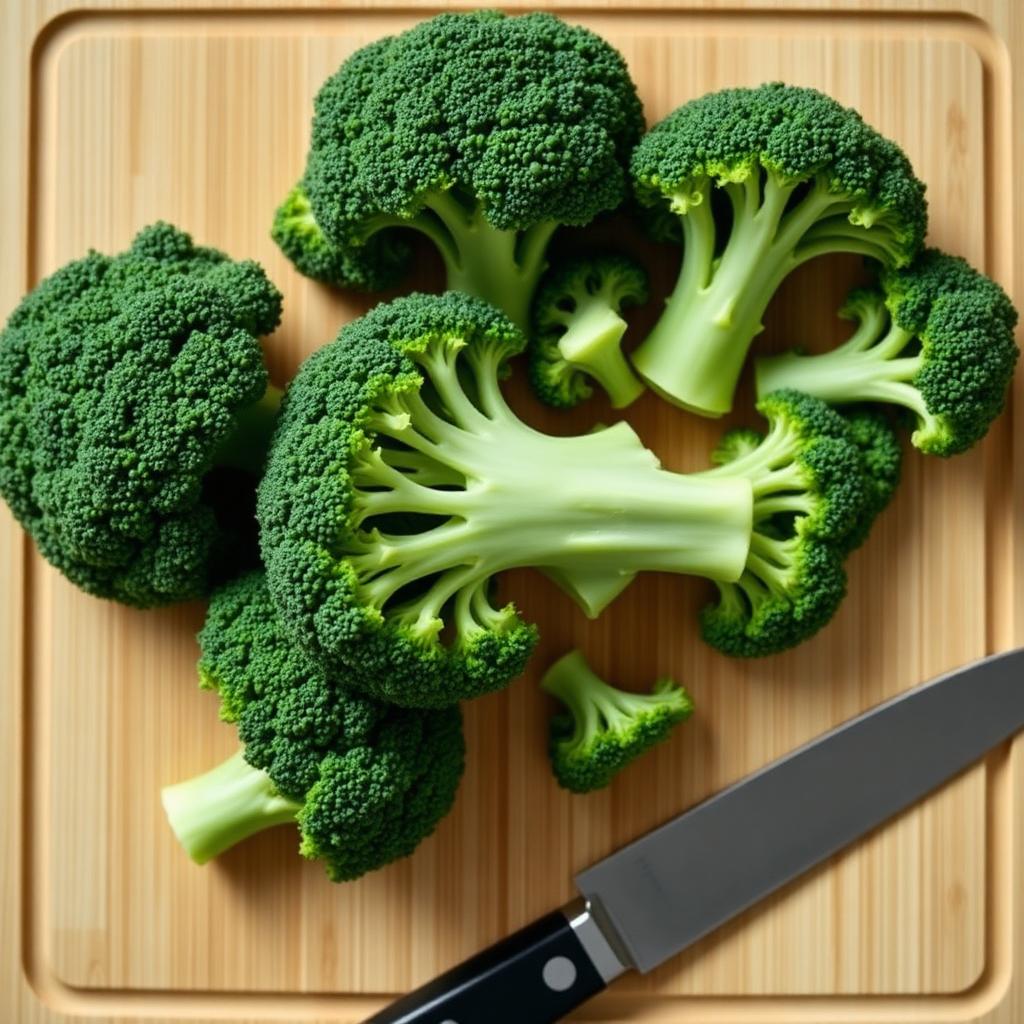
Monash portion chart for broccoli
| Form | Low FODMAP serve | Becomes High FODMAP at |
|---|---|---|
| Broccoli heads (florets), raw or cooked | ¾ cup (75 g) | 1 cup + (fructans, mannitol) |
| Broccoli stalks | ⅓ cup (45 g) | ½ cup + (fructans) |
| Whole broccoli (mixed heads + stalks) | ½ cup (75 g) | 1 cup + |
| Broccolini | ½ cup (75 g) | 1 cup + (mannitol) |
| Chinese broccoli (gai lan) | 1 cup (75 g) | Rated Low at typical serves |
Tip: If you love broccoli, trim off the thicker stalks and eat mostly the florets — you'll get a bigger, more filling portion inside the safe range.
Why broccoli sometimes triggers symptoms
Broccoli contains two FODMAPs that build up quickly:
- Fructans — concentrated in the stalks
- Mannitol (a polyol) — spread through the whole vegetable
At ¾ cup of florets, both stay under the Monash threshold. Double that serve, or eat a bowl of broccoli soup, and you can easily hit a "high" rating — even though the vegetable itself is technically safe. This is called FODMAP stacking, and it's the number-one reason people react to "safe" foods. Learn how to avoid it in our FODMAP Stacking Guide.
Safe ways to eat broccoli on a Low FODMAP diet
- Steam or roast florets with garlic-infused olive oil — never fresh garlic.
- Stir-fry with the green parts of spring onions, ginger, and a splash of tamari.
- Add to salads — a handful of florets pairs well with grilled chicken, feta, and lemon.
- Blend into soup — cap the total broccoli at 75 g per bowl, use lactose-free milk, and skip the onion.
Need a full weeknight dinner idea? Try our Low FODMAP Chicken Stir Fry or Roasted Low FODMAP Vegetables — both include broccoli in safe portions.
High → Low FODMAP swap chart
| Instead of | Try |
|---|---|
| 1½ cups steamed broccoli | ¾ cup florets + ½ cup safe carrots |
| Broccoli-cheddar soup (2 cups) | 1 cup broccoli soup made with lactose-free milk |
| Raw broccoli stalks in slaw | Shredded carrot, red capsicum, spring onion greens |
| Broccoli rice (1 cup) | ½ cup broccoli rice + ½ cup white rice |
Common questions
Is frozen broccoli Low FODMAP?
Yes — frozen broccoli follows the same ¾ cup floret rule. Freezing doesn't change FODMAP content.
Can I eat broccoli during the elimination phase?
Yes, at the tested serves. Broccoli is one of the safest green vegetables if you stick to ¾ cup of florets.
Is broccoli sprouts Low FODMAP?
Monash hasn't tested broccoli sprouts. Small handfuls (10–15 g) as a garnish are generally well tolerated.
Does cooking broccoli reduce FODMAPs?
Slightly — boiling leaches some fructans into the water (which you'd discard). Steaming, roasting, and stir-frying don't change FODMAP levels meaningfully.