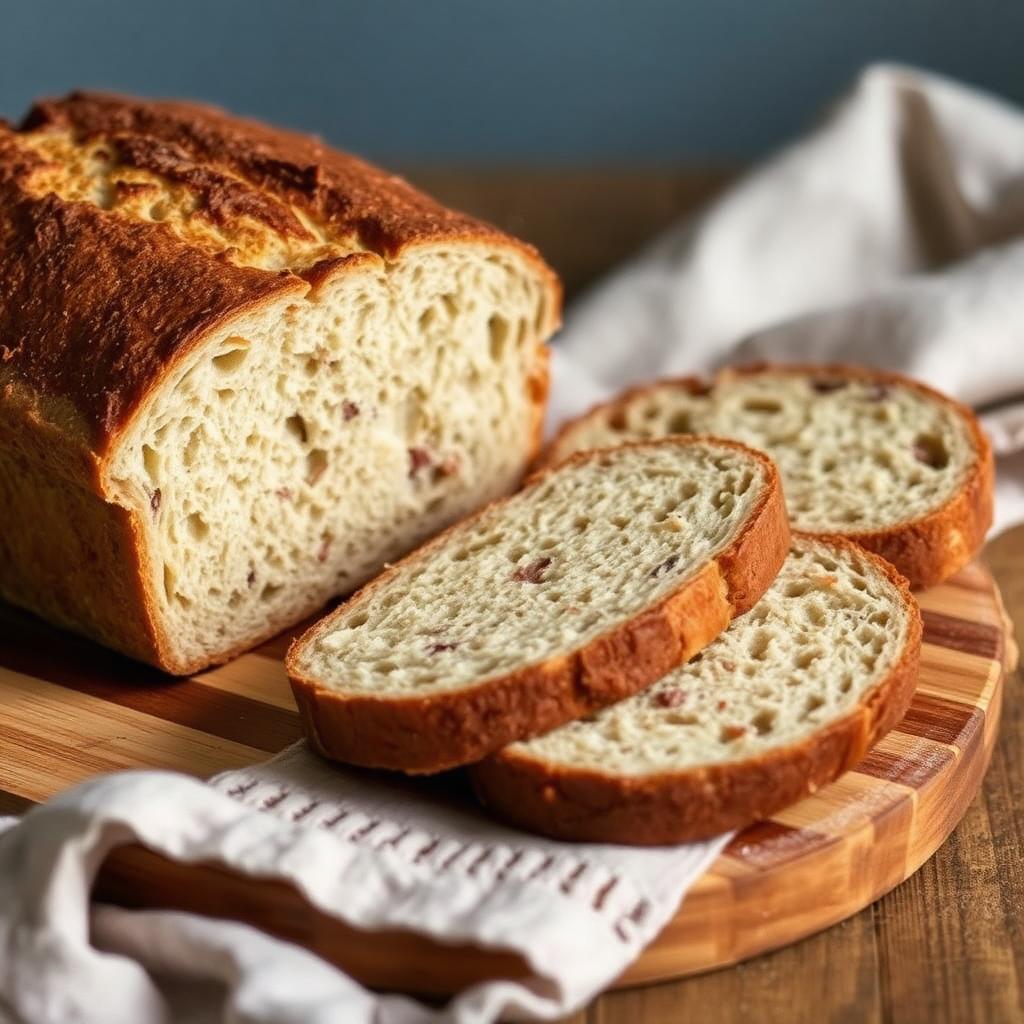
Quick Answer: Is Sourdough Low FODMAP?
Traditional long-fermented sourdough is low FODMAP at 2 slices (about 97g) — but only when it is made with spelt flour and fermented for 12+ hours. Monash has certified specific brands green at this portion.
Regular supermarket "sourdough" (short-ferment wheat) is typically still high FODMAP.
Why Long Fermentation Matters
Sourdough bacteria consume fructans during a slow rise. 12+ hours of fermentation breaks down enough fructans to make wheat and spelt tolerable for most IBS sufferers.
Safe Portion Chart
| Type | Safe Portion | Notes |
|---|---|---|
| Spelt sourdough (traditional) | 2 slices (97g) | ✅ Green |
| Wheat sourdough (traditional) | 2 slices (109g) | ✅ Green (Monash tested) |
| Supermarket "sourdough" | Avoid | ❌ Usually short-ferment |
| Rye sourdough | 2 slices (57g) | ⚠️ Small serves only |
How to Identify Real Sourdough
- Check the ingredient list — only flour, water, salt, starter.
- No added yeast (commercial yeast = short ferment).
- Ask your bakery: "Is this a 12+ hour ferment?"
Best Uses on Low FODMAP
- Toast with peanut butter (2 tbsp)
- Serve alongside low FODMAP chicken soup
- Sandwich with lactose-free cheese and safe tomatoes
FAQ
Q1: Is gluten-free sourdough automatically low FODMAP?
Not always — check for high FODMAP flours like chickpea or lentil.
Q2: Can I make low FODMAP sourdough at home?
Yes, using spelt flour and a 12–24 hour bulk ferment.
Q3: Why do I still react to "sourdough" from cafés?
Most commercial loaves use accelerated fermentation with added yeast — the fructans stay intact.
Written by the LowFODMAPRecipe.com Editorial Team. Educational content, not medical advice. Individual tolerance and serving size can vary — work with a registered dietitian or doctor for personal guidance.
Why This Matters for IBS Sufferers
For individuals managing Irritable Bowel Syndrome (IBS), dietary choices are paramount in controlling symptoms like bloating, gas, abdominal pain, and altered bowel habits. Fructans, a type of fermentable carbohydrate categorized as an Oligosaccharide (the 'O' in FODMAP), are a major trigger for many IBS sufferers. Wheat and rye flours are inherently high in fructans. The traditional sourdough process, particularly with long fermentation, offers a unique opportunity to reduce these fructans significantly.
When sourdough is properly fermented, the live bacteria and yeasts in the starter consume and break down the fructans into simpler sugars, which are less likely to cause digestive distress. This means that a food historically problematic for IBS patients – bread – can become a safe and enjoyable option. Without this crucial breakdown, the fructans pass undigested into the large intestine, where gut bacteria ferment them rapidly, producing gas and drawing water into the bowel, leading to classic IBS symptoms. Understanding the specific conditions under which sourdough becomes low FODMAP empowers individuals to expand their diet beyond highly restrictive alternatives, improving both their physical well-being and quality of life.
Common Mistakes to Avoid
Navigating the world of low-FODMAP sourdough can be tricky. Here are some common pitfalls to sidestep:
- Assuming all "sourdough" is safe: As highlighted, many commercial breads marketed as sourdough use shortcuts (like direct yeast addition or very short fermentation times) that do not adequately reduce fructan levels. Always verify fermentation length and ingredients.
- Overlooking total FODMAP load: Even if sourdough is low FODMAP at a specific portion, combining it with other high-FODMAP ingredients in the same meal can trigger symptoms. Be mindful of accompanying foods.
- Not checking for hidden high-FODMAP flours: Gluten-free sourdough is not automatically low FODMAP. Check for ingredients like chickpea, lentil, soy, or fava bean flour, which are high in FODMAPs, particularly GOS (Galactooligosaccharides).
- Ignoring portion sizes: Even certified low-FODMAP foods have a threshold. Sticking to the recommended 2-slice portion for spelt and wheat sourdough is crucial to avoid exceeding your personal FODMAP tolerance.
- Being misled by "organic" or "artisan": While these labels often signify higher quality, they don't guarantee low-FODMAP status. The fermentation process is the key, not necessarily the farming method or craftsmanship.
- Not knowing your baker: If buying from a small bakery, don't hesitate to ask specific questions about their fermentation process. A knowledgeable baker will be transparent about their methods.
Meal Stacking & Portion Combinations
The success of a low-FODMAP diet often lies in understanding "meal stacking" – combining multiple safe foods without exceeding the FODMAP threshold of any single category. Here’s how to integrate low-FODMAP sourdough into balanced meals:
| Meal Component | Low-FODMAP Sourdough (Spelt/Wheat) | Low-FODMAP Pairing Examples | Potential FODMAP Stacking Concern |
|---|---|---|---|
| Breakfast | 2 slices toast | Scrambled eggs, spinach, ½ avocado (moderate FODMAP at >1/8th avocado, stick to small serve), chives, small serve of lactose-free cream cheese. | Too much avocado if not portioned correctly. |
| Lunch | 2 slices sandwich base | Sliced turkey/chicken, lettuce, tomato, cucumber, 1 tbsp mayonnaise. | Processed meats with high-FODMAP additives (check labels). |
| Soup & Bread | 1-2 slices alongside | Low-FODMAP chicken soup, broth-based vegetable soup (celery, carrots, potato, green leek tops). | Onion/garlic in soup base; legumes/lentils in soup. |
| Snack | 1 slice with spread | Peanut butter (2 tbsp), almond butter (1 tbsp), raspberry jam (no high-fructose corn syrup). | Excess nut butter (check limits for different nuts); high-fructose jam. |
| Open-Face Supper | 1-2 slices base | Smoked salmon, dill, capers, lactose-free cream cheese OR grilled chicken, roasted bell peppers (red only). | Too many bell peppers (green, yellow); high-FODMAP sauces. |
Key Principle for Stacking: While many low-FODMAP items can be combined, awareness of cumulative effects is important. For instance, while ½ avocado might be a green light, pairing it with other foods that contain small amounts of polyols could push you over your personal tolerance. Always refer to the Monash app for detailed portion sizes and recheck if you experience symptoms.
Cooking, Prep & Storage Tips
Ensuring your low-FODMAP adventure with sourdough is enjoyable and hassle-free involves proper preparation and storage.
- Sourcing: If buying, seek out artisanal bakeries that specialize in traditional long-fermented sourdough. Don't be shy to ask about their fermentation process (minimum 12 hours) and ingredients. Some health food stores also carry vetted low-FODMAP options.
- Storage for Freshness:
- Room Temperature: A whole loaf can stay fresh for 2-3 days wrapped in a clean linen cloth or stored in a bread box. Sliced bread dries out faster.
- Refrigeration: Not recommended for sourdough as it can speed up staling.
- Freezing: This is the best option for preserving low-FODMAP sourdough. Slice the loaf first, then freeze slices in an airtight bag or container for up to 3 months. This allows you to pull out just 1-2 slices as needed, preventing waste and ensuring portion control.
- Reviving Frozen Slices: Pop frozen slices directly into a toaster on a medium setting. They will toast beautifully. For a whole frozen loaf, allow it to thaw slightly at room temperature, then refresh in a preheated oven (150°C/300°F) for 10-15 minutes until crusty.
- Home Baking (if you're adventurous!):
- Starter: Maintain an active sourdough starter. Ensure it is robust and consistently doubles in size after feeding.
- Flour: Use certified spelt flour. While wheat sourdough is also low FODMAP, spelt is often easier to work with for longer fermentation times if you're new to it.
- Hydration & Fermentation: Adhere to recipes that specifically call for bulk fermentation times of 12-24 hours at cool room temperature (e.g., 68-72°F / 20-22°C). This extended period is crucial for fructan degradation.
- No Commercial Yeast: Absolutely no added commercial yeast. The magic of sourdough depends on the wild yeast and bacteria in the starter.