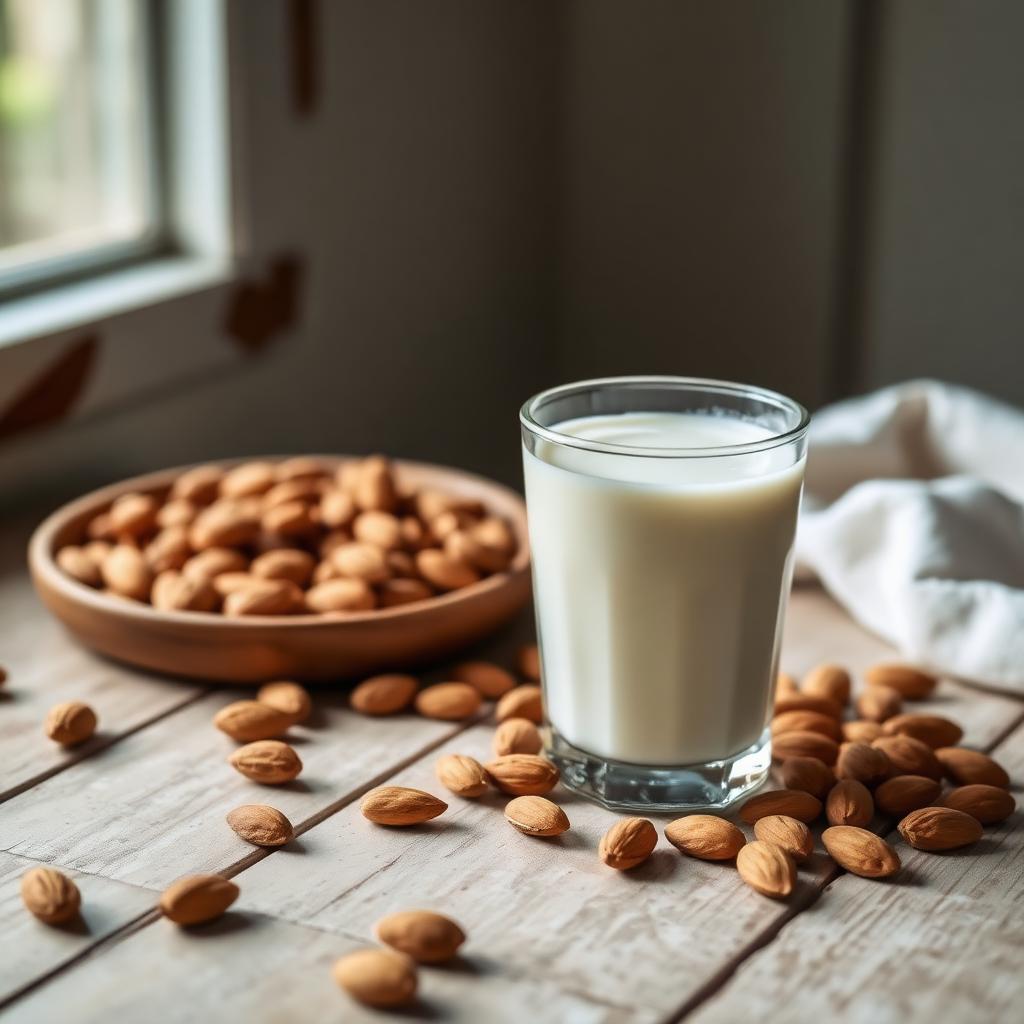
Yes — almond milk is low FODMAP at 1 cup (250ml) per Monash University testing. This is despite whole almonds being high FODMAP — the water-based extraction leaves most GOS behind.
Evidence-Based: Almond milk = green at 1 cup, amber at 1.5 cups.
Portion Chart
Amount
Status
1 cup (250ml)
✅ Green
1.5 cups
⚠️ Amber
2 cups+
❌ Red — accumulating GOS
Whole almonds
Green at only 10 nuts (12g)
Almond Milk vs Other Plant Milks
Milk
Safe Portion
Status
Almond milk
1 cup
✅ Green
Coconut milk (UHT drink)
1 cup
✅ Green
Rice milk
1 cup
✅ Green
Macadamia milk
1 cup
✅ Green
Hemp milk
1 cup
✅ Green
Oat milk
1/2 cup only
⚠️ Amber
Soy milk (whole bean)
Avoid
❌ GOS
Soy milk (soy protein)
1 cup
✅ Green
Lactose-free cow's milk
1 cup
✅ Green
What to Watch For
Many commercial almond milks add high FODMAP ingredients:
Inulin / chicory root fiber — very common
Carrageenan — some IBS sufferers react
Agave syrup — high fructose
"Original" flavor often contains added cane sugar (safe) but check for HFCS
Almond milk is often a useful lactose-free option, but brands vary. The FODMAP risk is usually not the almond base; it is the added fibers, sweeteners, flavors, or thickeners. Plain unsweetened almond milk with a short ingredient list is usually the easiest choice during elimination.
How to Use Almond Milk
Use it in oats, smoothies, pancakes, chia pudding, coffee, or dairy-free sauces. If a recipe needs creaminess, combine almond milk with lactose-free yogurt or a measured amount of canned coconut milk. Keep the rest of the recipe low FODMAP and avoid stacking too many moderate ingredients.
Check for inulin, chicory root fiber, apple juice concentrate, pear juice, agave, honey, and sugar alcohols. Vanilla flavor is not automatically a problem, but sweetened flavored versions may contain extra ingredients that affect tolerance.
This information is educational and not a substitute for professional care.
Practical Low FODMAP Takeaways for Is Almond Milk Low FODMAP? Safe Portions & Best Brands (2026)
When using this guide, treat serving size as the most important detail. A food can be low FODMAP in one portion and become higher risk when the amount doubles or when it is combined with several similar ingredients in the same meal. For people with IBS, that cumulative effect is often the difference between a comfortable meal and symptoms later in the day.
A helpful approach is to pair this information with a simple food and symptom note. Write down what you ate, the portion, the time of day, stress level, and any symptoms over the next 24 hours. Patterns are usually more useful than one isolated reaction, especially because sleep, hormones, illness, caffeine, alcohol, and meal size can all affect digestion.
If you are in the elimination phase, keep meals simple and avoid testing several questionable foods at once. If you are in reintroduction, test one FODMAP group at a time with a structured serving ladder. That makes it easier to learn your personal tolerance instead of avoiding more foods than necessary.
Medical disclaimer: This article is for general education only and is not a substitute for medical care. If you have ongoing digestive symptoms, unexplained weight loss, bleeding, fever, anemia, or severe pain, speak with a qualified healthcare professional. For personalized low FODMAP guidance, work with a registered dietitian familiar with IBS and FODMAP reintroduction.
We use cookies for site functionality, analytics (Google Analytics) and advertising partners to personalize content and ads. Read our Cookie Policy and Privacy Policy.