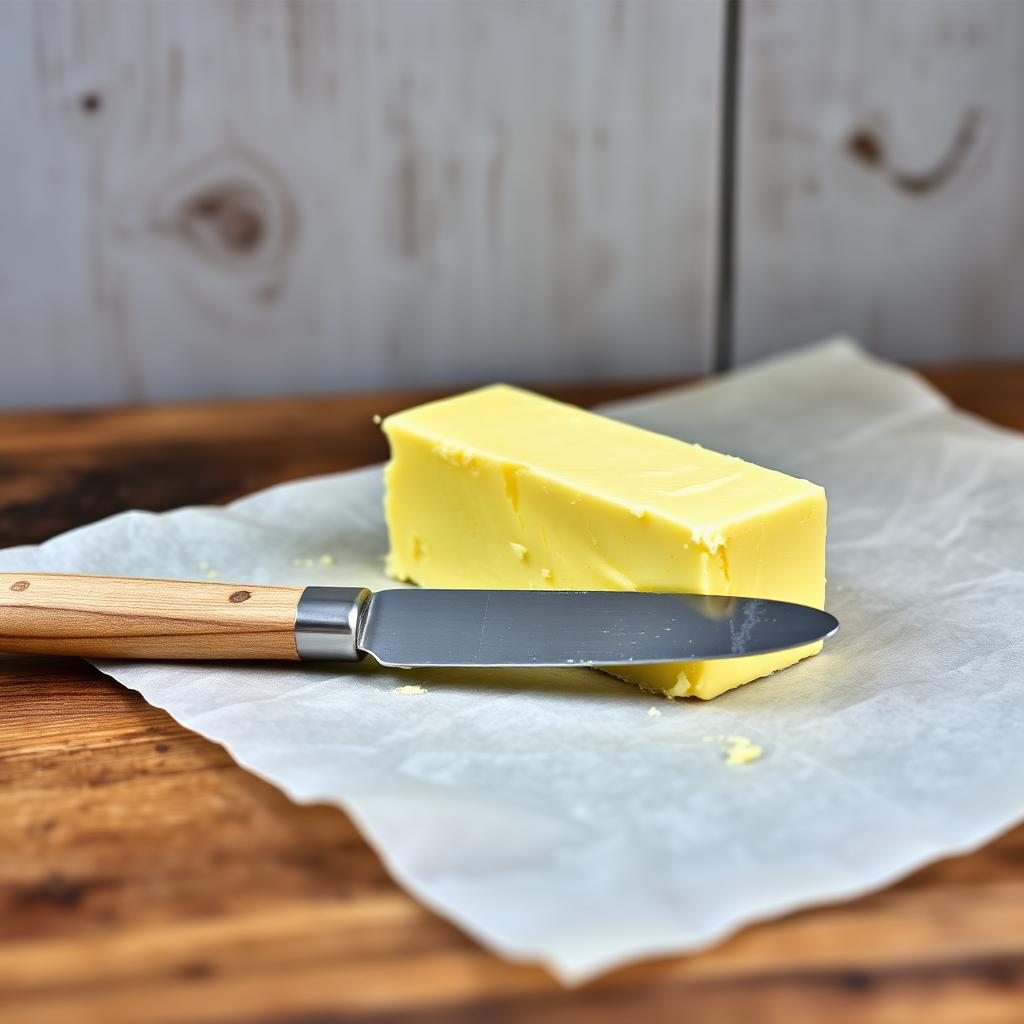
Yes — butter is low FODMAP at 1 tbsp (20g) per serve according to Monash University. Even though butter is made from dairy, it contains less than 0.1g of lactose per tablespoon — far below the FODMAP threshold.
Portion: 1 tbsp green · unlimited spreading is fine for most IBS sufferers
Why Butter Is Safe on Low FODMAP
Lactose is a water-soluble sugar. Because butter is nearly 100% fat, virtually all lactose is removed during churning. This is why even people with lactose intolerance often tolerate butter well.
Q1: Is salted or unsalted better? Both are low FODMAP. Salt does not affect FODMAP levels.
Q2: Can I use butter during elimination phase? Yes — up to 1 tbsp per meal is low FODMAP.
Q3: Is cultured butter different? Cultured butters may contain slightly more residual lactose but still test low FODMAP at 1 tbsp.
Written by the LowFODMAPRecipe.com Editorial Team. Educational content, not medical advice. Individual tolerance and serving size can vary — work with a registered dietitian or doctor for personal guidance.
Why This Matters for IBS Sufferers
For individuals managing Irritable Bowel Syndrome (IBS), the low FODMAP diet often feels restrictive, especially when it comes to fats and flavor enhancers. The good news about butter is that it offers a delicious and versatile option without triggering FODMAP symptoms. Many people with IBS also experience lactose intolerance to varying degrees. The fact that butter is naturally very low in lactose due to its high-fat composition and the churning process is a significant benefit. This allows for the enjoyment of familiar dishes and cooking methods without discomfort, helping to maintain variety and satisfaction in your diet. Integrating butter, within low-FODMAP portions, can make low FODMAP eating more enjoyable and sustainable, countering the perception that all dairy is off-limits. It provides healthy fats essential for nutrient absorption and satiety, contributing to overall well-being.
Common Mistakes to Avoid
While butter is a low-FODMAP hero, there are a few pitfalls to sidestep that could inadvertently lead to FODMAP stacking or other digestive distress:
Overlooking Hidden High FODMAPs in Dishes: While butter itself is safe, what you pair it with might not be. For example, a generous slather of butter on a garlic bread made with regular wheat flour and powdered garlic would still be high FODMAP. Always ensure all other ingredients in your meal are also low FODMAP.
Combining with Medium/High FODMAP Foods: Even though butter is green light, avoid adding it to meals that already contain a "medium" portion of another FODMAP group. For instance, if you're having a small serving of canned lentils (which contain GOS) and then add a very large amount of butter to your dish, you could potentially overdo it on overall FODMAP load, even if the butter isn't the direct culprit. Stick to the principle of not stacking multiple medium-FODMAP foods in one meal.
Ignoring Individual Sensitivities Beyond FODMAPs: While butter is low FODMAP, some individuals with IBS may have sensitivities to high-fat foods in general, or to dairy components other than lactose, such as casein (though this is less common with small amounts of butter). If you notice symptoms even with low-FODMAP butter, consider exploring if other factors are at play, possibly with the guidance of a dietitian.
Assuming All Dairy Spreads Are Equal: Don't confuse butter with other dairy-based spreads or butter blends that might have added milk solids, flavorings, or other ingredients that increase their lactose or overall FODMAP content. Always check ingredient lists carefully for emulsifiers, milk powders, or other dairy derivatives in butter-like products, which could elevate FODMAP levels.
Meal Stacking & Portion Combinations
Understanding how to incorporate butter effectively into your low-FODMAP diet means knowing how it interacts with other foods without exceeding your personal FODMAP threshold. Since butter is a "green light" food for 1 tbsp, it offers great flexibility.
Breakfast Boost: Pair butter with other low-FODMAP breakfast staples. A slice of certified low-FODMAP sourdough toast with butter, along with scrambled eggs and some sautéed spinach (cooked in a little more butter!) makes for a satisfying and safe meal.
Vegetable Enhancement: Butter is excellent for improving the palatability of low-FODMAP vegetables. Steam or roast carrots, green beans, or broccoli florets, then toss with a pat of butter, fresh chives, and a pinch of salt and pepper. This helps you meet your vegetable intake without adding FODMAPs.
Sauce Base: Butter can be the foundation for simple low-FODMAP sauces. A brown butter sage sauce is delicious on low-FODMAP pasta. You can also use it to create a roux with gluten-free flour for thickening gravies or white sauces, ensuring all other liquid ingredients (like lactose-free milk or low-FODMAP broth) are also safe.
Protein Power: Use butter to cook or finish lean proteins like chicken, fish, or beef. A pat of butter melted over a grilled salmon fillet adds richness and flavor without any FODMAP concerns.
Baking & Desserts: In low-FODMAP baking, butter is a core ingredient. From cookies to cakes made with gluten-free, low-FODMAP flours, it provides structure, moisture, and flavor. Just ensure your sugar, leavening agents, and any flavorings (like vanilla extract) are also low FODMAP.
Meal Component
Example Low-FODMAP Pairing
Butter Usage (1 tbsp safe)
FODMAP Status
Breakfast
Sourdough toast, eggs, spinach
Spread on toast, cook eggs
✅ Green
Lunch
Grilled chicken, roasted carrots
Use as cooking fat
✅ Green
Dinner
Gluten-free pasta, steamed broccoli
In sauce base, toss with veg
✅ Green
Snack
Rice cakes, sliced banana
Spread on rice cake
✅ Green
Baking
Gluten-free cookies
Ingredient in batter
✅ Green
Always remember that while butter is green, the overall meal's FODMAP load depends on ALL ingredients. Be mindful of certified low-FODMAP portions for every component.
Cooking, Prep & Storage Tips
Butter's versatility in the kitchen is a major advantage for low-FODMAP cooking.
High-Heat Cooking: Butter has a relatively low smoke point (around 302-350°F or 150-177°C) compared to oils like avocado or rice bran oil. For high-heat searing or frying, consider clarifying butter into ghee, which removes the milk solids and raises its smoke point significantly (450-485°F or 232-252°C). This allows you to retain that delicious buttery flavor without burning. Alternatively, use a high-smoke point oil for initial searing and add butter at the end for flavor.
Flavor Infusion: Infusing butter with low-FODMAP flavors can elevate your dishes. Gently melt butter with fresh chives, dill, parsley, thyme, or rosemary, then use it to baste proteins or toss with vegetables. Keep a watchful eye on temperature to avoid burning the herbs.
Emulsions: Butter is key for making simple emulsified sauces like brown butter sauce. The browning process removes more water, intensifying the nutty flavor. Just ensure no high-FODMAP ingredients like garlic or onion are added to the butter while browning.
Storage: Proper storage is crucial to maintain butter's freshness and prevent spoilage. Unopened butter can be stored in the refrigerator for several weeks (check "best by" date). For longer storage, butter freezes extremely well for up to 6-9 months without significant loss of quality. Wrap it tightly in its original packaging plus an extra layer of plastic wrap or foil to prevent freezer burn and absorption of freezer odors. Store opened butter in an airtight container in the coldest part of your refrigerator.
Softening Butter: For baking recipes that call for softened butter, leave it at room temperature for 30-60 minutes, or cut it into smaller pieces to speed up the process. Avoid microwaving butter to soften, as it can melt unevenly and affect the texture of baked goods.
Testing Your Personal Tolerance (Reintroduction Guidance)
While Monash University provides general guidelines, individual tolerance levels can vary. If you've been strictly eliminating FODMAPs and are concerned about reintroducing butter, there's a simple approach:
Strict Elimination Phase Review: Ensure you've followed a strict low-FODMAP elimination phase for 2-6 weeks and have experienced significant symptom improvement. Butter should be part of the initial low-FODMAP diet, so if you've been avoiding it entirely for other reasons, this guidance applies.
Start with a Small Test Dose: The reintroduction phase is typically for testing moderate or high FODMAP foods. Since butter is already green light at 1 tbsp, your reintroduction focus for butter isn't about testing the FODMAP itself, but rather confirming your personal tolerance and observing if any non-FODMAP sensitivities arise.
Monitor for Symptoms: Consume 1 tablespoon of butter with a low-FODMAP meal. Observe your symptoms for the next 2-3 days. Look for bloating, gas, abdominal pain, or changes in bowel habits.
Gradual Increase (Optional): If 1 tablespoon is well-tolerated, you can confidently include it in your diet up to that amount per meal. If you wish to consume larger quantities, you could try consuming 2 tablespoons at a single meal, again monitoring symptoms for the next few days. However, given butter's high fat content, many people find satiety and adequate flavor with 1-2 tablespoons.
Distinguish FODMAP vs. Fat Sensitivity: Remember that while butter is low FODMAP, it is high in fat. Some individuals with IBS are sensitive to high-fat meals, which can trigger symptoms regardless of FODMAP content. If you react to butter, consider if the issue is the fat content rather than residual lactose. Discussing this with a registered dietitian can help you differentiate and develop strategies.
For most individuals with IBS following the low-FODMAP diet, butter up to 1 tablespoon per serve should not require a specific reintroduction test, as it's typically allowed during the elimination phase. This reintroduction guidance is more for confirming individual tolerance or if you have specific concerns about dairy even in low-lactose forms.
Related Low-FODMAP Alternatives
Sometimes, for dietary preferences, allergies, or further fat content considerations, you might look for alternatives to butter that are still low FODMAP.
Ghee (Clarified Butter): As mentioned, ghee is 100% low FODMAP and is an excellent choice. It’s pure butterfat with all milk solids (including lactose and casein) removed. It has a higher smoke point than butter, making it suitable for high-heat cooking. It imparts a rich, nutty flavor.
Vegetable Oils:
Olive Oil: Extra virgin olive oil is a foundational low-FODMAP fat, excellent for cooking, dressings, and finishing dishes. Its flavor profile differs from butter.
Coconut Oil: Unrefined coconut oil can add a distinctive flavor, while refined coconut oil has a more neutral taste. It's solid at room temperature and works well in baking or for sautéing. Monash University lists coconut oil as low FODMAP at 1 tablespoon.
Avocado Oil: A very mild-flavored oil with high smoke point, suitable for all types of cooking.
Rice Bran Oil, Grapeseed Oil, Canola Oil: These are neutral-flavored, versatile oils that are low FODMAP and good for general cooking.
Low-FODMAP Vegan Butters/Spreads: Many plant-based butter alternatives are now available. When choosing, look specifically for brands that are certified low FODMAP or carefully check the ingredient list for high-FODMAP components like:
Soy oil: Usually safe, but some with soy sensitivity prefer to avoid.
High FODMAP oils: E.g., not usually present, but always good to check.
Inulin/Chicory Root Fiber: Common binders or prebiotics that are high FODMAP.
Lupin: A legume that can be high FODMAP for some.
Cashew, Pistachio, Almond flours: High FODMAP in larger amounts.
High-FODMAP flavorings: E.g., natural flavors that might contain onion/garlic derivatives (though rare in butter spreads).
Example: Many almond-oil based or palm oil-based vegan butters are often low FODMAP, but comparison is key.
Alternative
Pros
Cons
Usage
FODMAP Status
Ghee
No lactose/casein, high smoke point, rich flavor
More expensive, distinct flavor
High-heat cooking, flavor enhancer
✅ Green
Olive Oil
Heart-healthy, versatile, various flavors
Different flavor profile, lower smoke point for EVOO
Dressings, sautéing, finishing
✅ Green
Coconut Oil
Unique flavor (unrefined), neutral (refined), good for baking
Higher saturated fat
Baking, sautéing, Asian cuisine
✅ Green (1 tbsp)
Avocado Oil
High smoke point, neutral flavor, healthy fats
More expensive than some oils
High-heat cooking, general cooking
✅ Green
Vegan Butters
Often allergen-friendly, butter-like texture
Must check labels for hidden FODMAPs, varied taste/texture
Spreading, baking, general use
Varies, check label
Always read labels carefully, as product formulations can change.
Expert Insights
The information regarding butter's low-FODMAP status is well-established and consistently supported by leading experts in the field of dietetics and gastroenterology focused on IBS.
Monash University Research: Monash University, the pioneer in FODMAP research, laboratories test foods directly for their FODMAP content. Their findings consistently show that butter, being almost exclusively fat, contains negligible amounts of lactose at typical serving sizes. The process of churning milk or cream into butter separates the fat from the water and milk solids, where most of the lactose resides. This scientific basis underpins butter's green-light status. Their app remains the ultimate authority for FODMAP values.
Kate Scarlata RDN, LDN: A globally recognized expert in the low-FODMAP diet and IBS management, Kate Scarlata consistently advises her clients and followers that butter is a safe and acceptable food for most individuals on a low-FODMAP diet. She often emphasizes the importance of reading labels for any added high-FODMAP ingredients in butter blends (though rare in pure butter) and clarifies the distinction between lactose intolerance and an overall dairy sensitivity that might be unrelated to FODMAPs. Her blog and resources frequently refer to Monash data to reinforce these points. Scarlata (2016) often highlights that "Fat does not contain FODMAPs," a key principle explaining why high-fat dairy products like butter and some cheeses are low in lactose.
These expert opinions reassure IBS sufferers that butter is a safe and delicious component of a symptom-management diet when consumed within recommended portions. The scientific rigor behind these recommendations makes them reliable for clinical and practical application.
Additional FAQs
Q1: Can I make my own butter from low-FODMAP cream? Yes, if you have access to lactose-free heavy cream, you can churn it into butter at home. The process of making butter naturally removes almost all the lactose, so whether you start with regular or lactose-free cream, the resulting butter will be extremely low in lactose and therefore low FODMAP.
Q2: What about various types of butter – European, Irish, etc.? Are they all low FODMAP? Generally, yes. The primary difference in these butters often lies in fat content (European butters typically have a higher fat content) and whether they are cultured. As discussed, fat does not contain FODMAPs, and even cultured butters remain low FODMAP at the 1 tbsp serving size. The processing to concentrate fat consistently renders them very low in lactose.
Q3: Does clarified butter (ghee) have any different FODMAP implications than regular butter? Ghee is essentially butter with all the milk solids removed, making it 100% lactose-free and virtually casein-free. From a FODMAP perspective, it's considered even safer for those sensitive to trace amounts of lactose, but regular butter is already very low. The main differences are its higher smoke point, longer shelf life, and distinct nutty flavor. Both are excellent low-FODMAP options.
Q4: Can butter help with constipation on a low-FODMAP diet? While butter itself isn't a laxative, its fat content can contribute to stool bulk and lubrication, potentially aiding in smoother bowel movements for some. However, relying solely on fat for constipation relief is not recommended. Ensuring adequate fiber from low-FODMAP sources, proper hydration, and regular physical activity are more critical for managing constipation in IBS. If constipation is a primary symptom, consult with a dietitian or doctor.
Q5: Are butter-flavored oils or sprays low FODMAP? You must always check the ingredient list. Many butter-flavored products contain artificial flavorings that might not be low FODMAP, or they could contain other high-FODMAP ingredients like soy lecithin derived from soybeans (though usually in very small, low-FODMAP amounts) or high-FODMAP oils. Stick to pure butter or explicitly certified low-FODMAP butter alternatives to be safest.
This article is for informational purposes only and does not replace personalized advice from a registered dietitian or healthcare provider.
We use cookies for site functionality, analytics (Google Analytics) and advertising partners to personalize content and ads. Read our Cookie Policy and Privacy Policy.