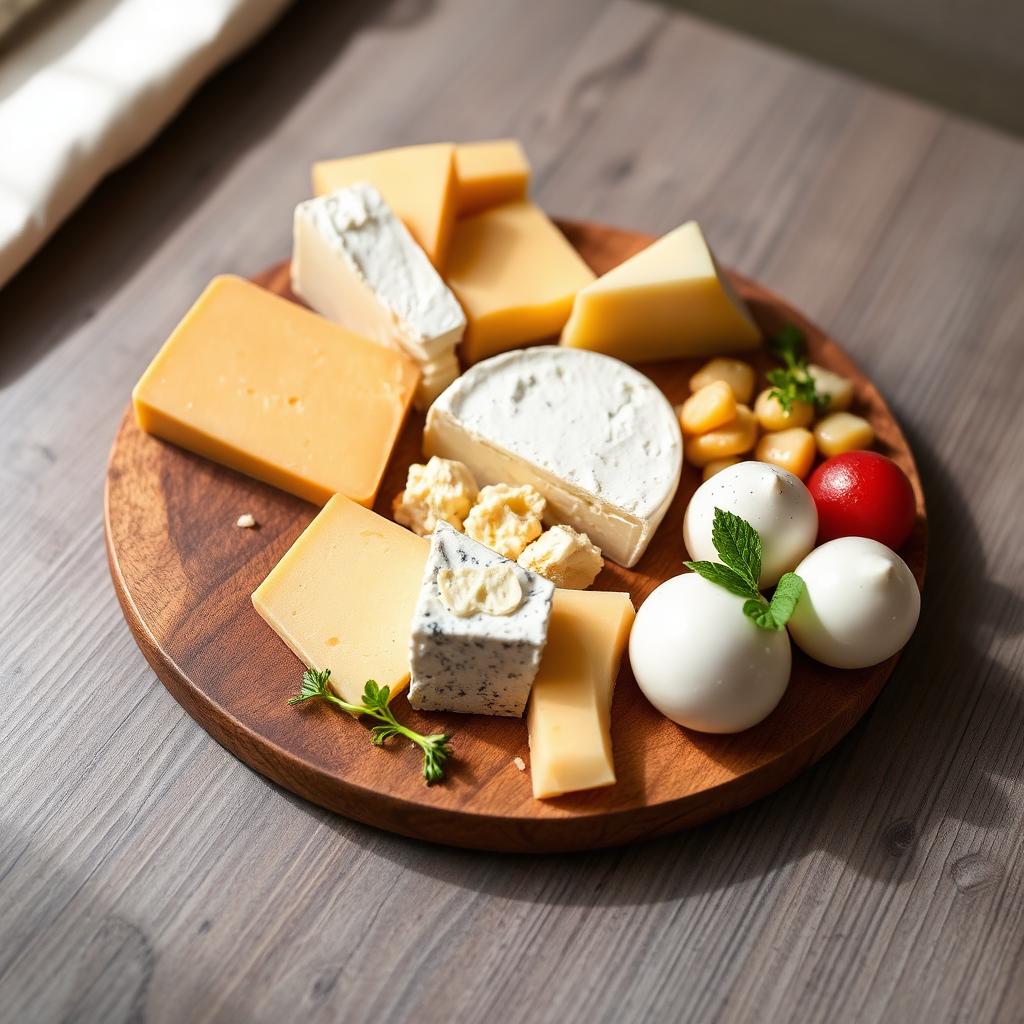
It depends on the cheese. Hard, aged cheeses are naturally low in lactose because bacteria consume it during aging. Soft, fresh cheeses retain more lactose and are high FODMAP.
Evidence-Based:Monash University has tested most common cheeses. Aging = lower lactose = safer for IBS.
Complete Cheese Portion Chart
Cheese
Safe Portion
Status
Cheddar (aged)
40g / 1.5 oz
✅ Green
Parmesan
40g
✅ Green
Brie
40g
✅ Green
Camembert
40g
✅ Green
Feta
40g
✅ Green
Mozzarella
1/2 cup shredded
✅ Green
Swiss
40g
✅ Green
Goat cheese (hard)
40g
✅ Green
Ricotta
Avoid
❌ High lactose
Cottage cheese
Avoid
❌ High lactose
Cream cheese
2 tbsp only
⚠️ Amber
Halloumi
50g
⚠️ Amber
Why Aged Cheese Is Safe
During aging, bacteria break down lactose — the FODMAP culprit in dairy — into lactic acid. A hard cheddar aged 12+ months contains less than 0.5g lactose per serve, well below the IBS trigger threshold.
Cheese can fit into a low-FODMAP diet when you understand lactose. Hard and aged cheeses are usually much lower in lactose because much of the lactose drains away with whey or is consumed during aging. Softer fresh cheeses often contain more lactose and can be harder to tolerate in larger servings.
Safer Ways to Use Cheese
Choose aged cheddar, parmesan, Swiss, brie, or feta in measured portions.
Use lactose-free cream cheese or lactose-free cottage cheese when a recipe needs a softer texture.
Pair cheese with rice crackers, potatoes, eggs, or gluten-free toast instead of wheat-heavy foods.
Keep high-fat portions moderate if fat triggers your IBS symptoms.
Cheese sauces, dips, and packaged snacks can contain more than cheese. Check for garlic powder, onion powder, wheat flour, milk powder, and inulin. A low-lactose cheese can become part of a high-FODMAP dish if the sauce base contains wheat or onion. When eating out, ask whether the cheese sauce is made from milk, cream, flour, garlic, or onion.
This article is informational only; work with a clinician for personalized nutrition advice.
Practical Low FODMAP Takeaways for Is Cheese Low FODMAP? Complete Guide to Safe Cheeses for IBS
When using this guide, treat serving size as the most important detail. A food can be low FODMAP in one portion and become higher risk when the amount doubles or when it is combined with several similar ingredients in the same meal. For people with IBS, that cumulative effect is often the difference between a comfortable meal and symptoms later in the day.
A helpful approach is to pair this information with a simple food and symptom note. Write down what you ate, the portion, the time of day, stress level, and any symptoms over the next 24 hours. Patterns are usually more useful than one isolated reaction, especially because sleep, hormones, illness, caffeine, alcohol, and meal size can all affect digestion.
If you are in the elimination phase, keep meals simple and avoid testing several questionable foods at once. If you are in reintroduction, test one FODMAP group at a time with a structured serving ladder. That makes it easier to learn your personal tolerance instead of avoiding more foods than necessary.
Medical disclaimer: This article is for general education only and is not a substitute for medical care. If you have ongoing digestive symptoms, unexplained weight loss, bleeding, fever, anemia, or severe pain, speak with a qualified healthcare professional. For personalized low FODMAP guidance, work with a registered dietitian familiar with IBS and FODMAP reintroduction.
We use cookies for site functionality, analytics (Google Analytics) and advertising partners to personalize content and ads. Read our Cookie Policy and Privacy Policy.