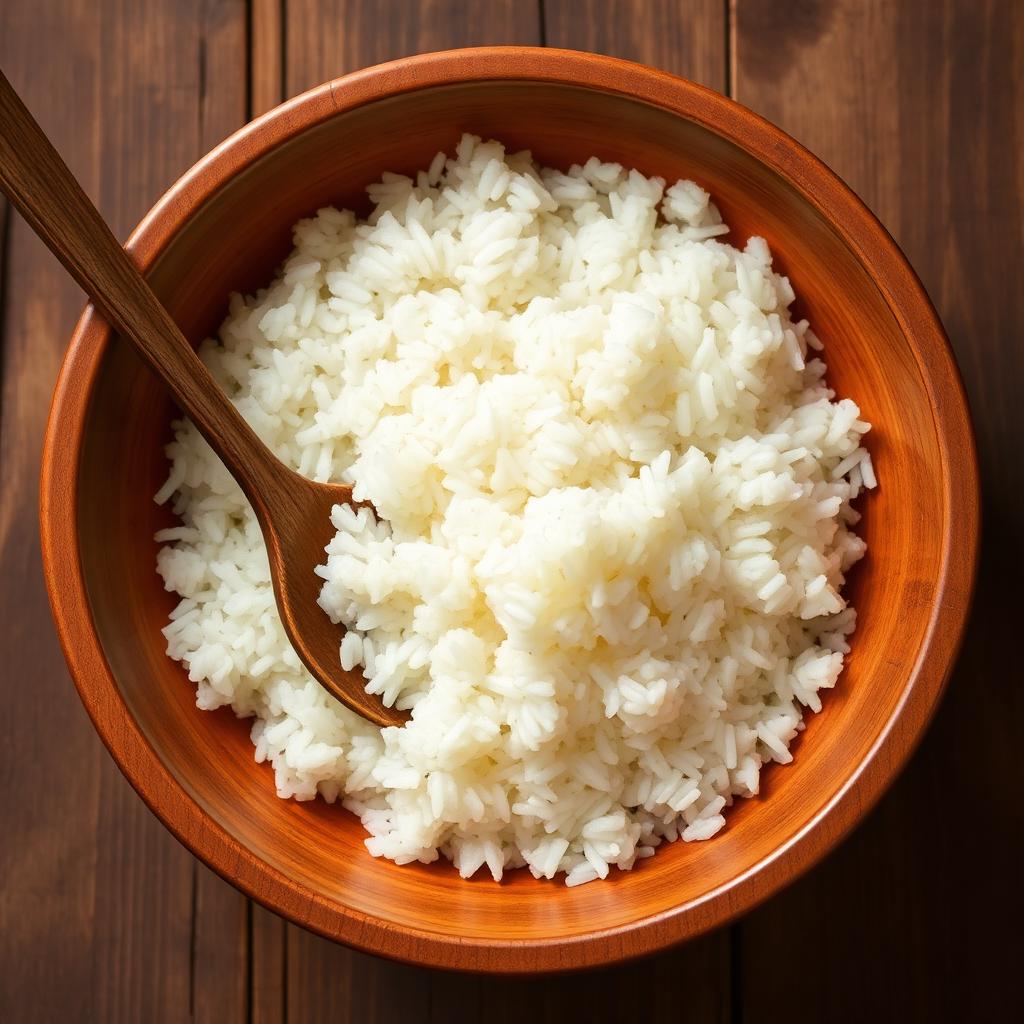
Yes — all common rice types are low FODMAP per Monash University testing. Rice is one of the safest carbohydrates for IBS and forms the backbone of most low FODMAP meal plans.
Evidence-Based: White, brown, jasmine, basmati, and glutinous rice all receive a green light at 1 cup cooked per serve.
Portion Chart by Rice Type
Type
Safe Portion
FODMAP Status
White rice (long grain)
1 cup cooked (190g)
✅ Green
Brown rice
1 cup cooked (190g)
✅ Green
Jasmine rice
1 cup cooked
✅ Green
Basmati rice
1 cup cooked
✅ Green
Wild rice
1 cup cooked
✅ Green
Arborio (risotto)
1 cup cooked
✅ Green
White vs Brown for IBS
White rice is easier to digest and gentler on flare days — the fiber is lower and it moves through the gut faster. Brown rice provides more insoluble fiber, which is great for IBS-C but can trigger IBS-D. Choose based on your subtype.
How to Cook Rice for Low FODMAP Meals
Rinse first — Removes surface starch and reduces stickiness
Use garlic-infused oil — Sauté for 1 minute before adding water for flavor without fructans
Add broth — Use low FODMAP chicken stock (no onion/garlic) instead of water
Herb it up — Chives, parsley, and cilantro are all safe
Rice is one of the most dependable staples for low-FODMAP meal planning. White rice, brown rice, jasmine, basmati, sushi rice, and rice noodles can all help build filling meals without wheat or onion-based sauces. The main caution is not the rice itself but what is added to it.
Meal Ideas
Use rice as a base for grilled chicken, salmon, eggs, tofu, carrots, cucumber, spinach, bell pepper, ginger, tamari, and garlic-infused oil. Make fried rice with safe vegetables and protein, rice bowls with lactose-free yogurt sauce, or simple soup with rice and low-FODMAP stock.
Packaged rice mixes often contain onion powder, garlic powder, wheat-based flavorings, or high-FODMAP stock powders. Restaurant rice may be cooked in broth or mixed with onion. Plain rice is the safest choice when eating out, and you can add your own low-FODMAP flavor at the table.
This article is for general education only and is not medical advice.
Practical Low FODMAP Takeaways for Is Rice Low FODMAP? White, Brown & Basmati Portion Guide (2026)
When using this guide, treat serving size as the most important detail. A food can be low FODMAP in one portion and become higher risk when the amount doubles or when it is combined with several similar ingredients in the same meal. For people with IBS, that cumulative effect is often the difference between a comfortable meal and symptoms later in the day.
A helpful approach is to pair this information with a simple food and symptom note. Write down what you ate, the portion, the time of day, stress level, and any symptoms over the next 24 hours. Patterns are usually more useful than one isolated reaction, especially because sleep, hormones, illness, caffeine, alcohol, and meal size can all affect digestion.
If you are in the elimination phase, keep meals simple and avoid testing several questionable foods at once. If you are in reintroduction, test one FODMAP group at a time with a structured serving ladder. That makes it easier to learn your personal tolerance instead of avoiding more foods than necessary.
Medical disclaimer: This article is for general education only and is not a substitute for medical care. If you have ongoing digestive symptoms, unexplained weight loss, bleeding, fever, anemia, or severe pain, speak with a qualified healthcare professional. For personalized low FODMAP guidance, work with a registered dietitian familiar with IBS and FODMAP reintroduction.
We use cookies for site functionality, analytics (Google Analytics) and advertising partners to personalize content and ads. Read our Cookie Policy and Privacy Policy.