- Toss beef cubes with 2 tbsp cornstarch, salt, and pepper.
- Heat 2 tbsp garlic-infused oil in a Dutch oven over medium-high heat. Sear beef in batches, 2 minutes per side, until browned. Remove and set aside.
- Add remaining 1 tbsp oil to pot. Add spring onion greens; sauté 2 minutes.
- Stir in tomato paste; cook 1 minute to caramelize.
- Return beef to pot. Pour in broth, tamari, crushed tomatoes, bay leaves, and thyme. Stir to combine.
- Bring to a boil, then reduce heat to low. Cover and simmer 1 hour 30 minutes, stirring occasionally, until beef is fork-tender.
- Add potatoes and carrots; simmer 20 minutes.
- Add green beans; simmer 10 minutes until vegetables are tender.
- Whisk cornstarch slurry, stir into stew. Simmer 2–3 minutes until thickened.
- Remove bay leaves. Stir in parsley.
- Serve 1½ cups per person with about 15 green beans on top.
Low FODMAP
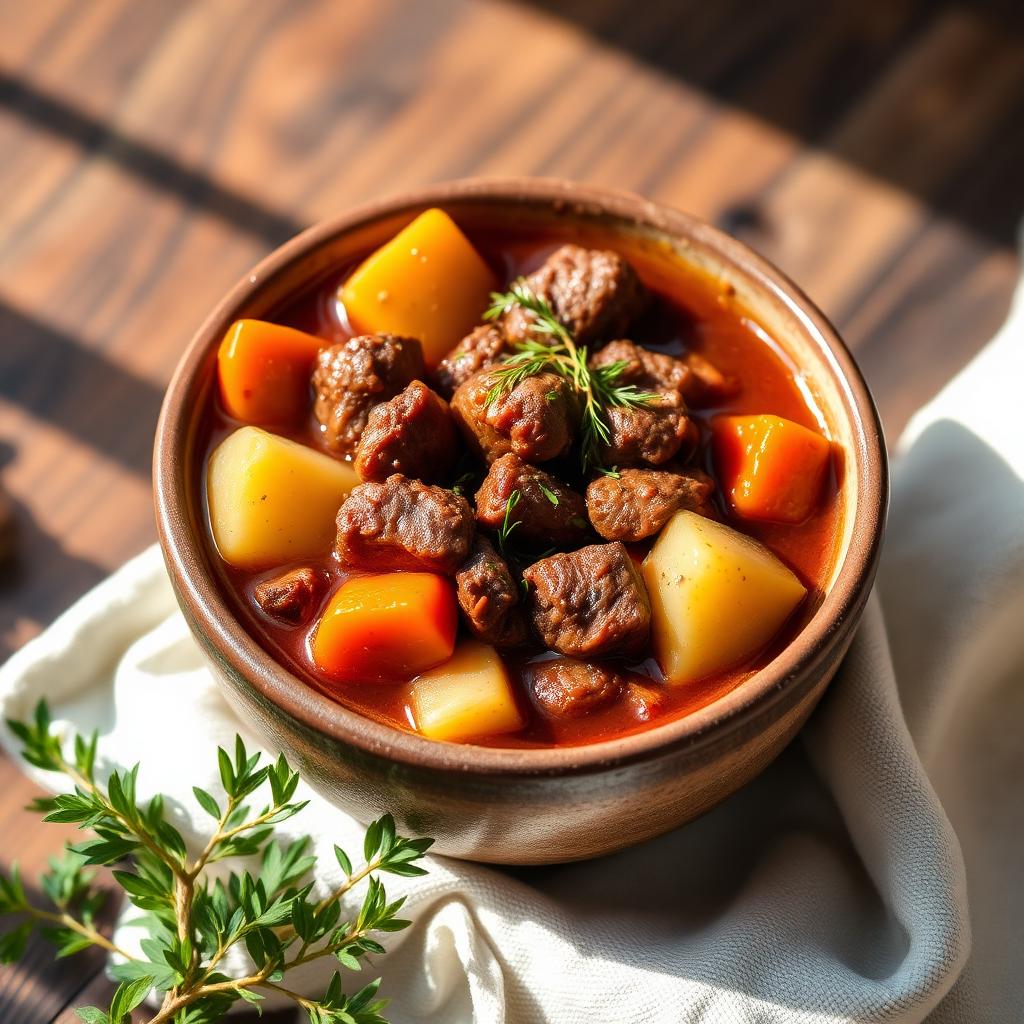
Low FODMAP Beef Stew (Hearty Slow-Simmered Comfort)
t
the LowFODMAPRecipe.com Editorial Team•July 1, 2026Total Time
155 min
Servings
6
Prep
20 min
Cook
135 min
Share:
Written & reviewed by the LowFODMAPRecipe.com editorial team• Educational content, not medical advice
Published July 1, 2026Updated October 8, 2026
A rich, slow-simmered low FODMAP beef stew made **without onion, garlic, or wheat flour**. Uses garlic-infused oil, spring onion greens, and cornstarch to thicken — full comfort-food flavor with zero IBS triggers.  ## Why This Stew Is Low FODMAP - **Garlic-infused olive oil** for deep flavor without fructans - **Spring onion greens** replace onion (see [Is Soy Sauce Low FODMAP?](/blog/is-soy-sauce-low-fodmap) for tamari use) - **Cornstarch slurry** instead of wheat flour roux - **White potatoes** are unlimited low FODMAP (see [Are Potatoes Low FODMAP?](/blog/are-potatoes-low-fodmap)) - **No red wine reduction with onions** — uses beef broth + tamari Stack portions with the [FODMAP Stacking Guide](/blog/fodmap-stacking). ## Serving Safety (Per Serve) | Ingredient | Amount | Status | |-----------|--------|--------| | Beef chuck | 120 g | 🟢 Low | | Potatoes | ¾ cup (110 g) | 🟢 Low | | Carrots | ½ cup (75 g) | 🟢 Low | | Canned tomatoes | ¼ cup (50 g) | 🟢 Low | | Green beans | 15 beans (75 g) | 🟢 Low — see [Are Green Beans Low FODMAP?](/blog/are-green-beans-low-fodmap) | **Safe serve:** 1½ cups per person. ## Variations 1. **Red wine version:** Add ½ cup dry red wine before broth (reduce 5 min) 2. **Herb-forward:** Add 1 tsp rosemary + 1 tsp thyme 3. **Spicy:** Add ¼ tsp smoked paprika + ⅛ tsp cayenne 4. **Slow cooker:** Brown beef first, then 8 hours on LOW ## High → Low FODMAP Swap Chart | Instead of | Use | |-----------|-----| | Onion | Spring onion greens | | Garlic cloves | Garlic-infused olive oil | | Wheat flour (roux) | Cornstarch slurry | | Store-bought beef broth (with onion) | Homemade or Fody/Gourmend brand | | Worcestershire (garlic) | Tamari + 1 tsp brown sugar | ## Common Mistakes - **Not searing the beef** — you lose depth of flavor - **Using regular Worcestershire** (garlic & onion) — swap for tamari - **Over-portioning green beans** (>15 per serve) → moderate FODMAP - **Adding celery** — it's high FODMAP; use extra carrots ## Make-Ahead & Storage - **Fridge:** 4 days — flavor improves by day 2 - **Freezer:** 3 months in ½-cup portions - **Reheat:** Gentle simmer with 2 tbsp water ## Serve With - Crusty [low FODMAP bread](/recipes/low-fodmap-bread) - Steamed rice - [Low FODMAP Dinner Hub](/recipes/low-fodmap-dinner-recipes) **Sources:** [Monash University](https://www.monashfodmap.com/), [Kate Scarlata RDN](https://www.katescarlata.com/) *Reviewed by our editorial team. Informational only — not medical advice.*
Ingredients
- 700 g beef chuck, cut into 1-inch cubes
- 2 tbsp cornstarch (for coating beef)
- 3 tbsp garlic-infused olive oil, divided
- ½ cup spring onion greens, sliced
- 3 tbsp tomato paste
- 4 cups (1 L) low FODMAP beef broth (no onion/garlic)
- 2 tbsp tamari (gluten-free soy sauce)
- 1 cup canned crushed tomatoes
FODMAP Notes
Made without onion, garlic, or wheat flour. Uses garlic-infused oil, spring onion greens, tamari, and cornstarch thickener.
Practical Low FODMAP Notes for Low FODMAP Beef Stew (Hearty Slow-Simmered Comfort)
Low FODMAP Beef Stew (Hearty Slow-Simmered Comfort) is most useful when the serving size stays consistent, because FODMAP tolerance often changes when portions creep upward. Use the listed servings as the starting point, then portion leftovers before storing so the meal stays predictable on busier days. If you are cooking for family members who do not follow a low FODMAP plan, keep onion, garlic, wheat-heavy sides, and high-FODMAP sauces separate at the table instead of mixing them into the main recipe.
Ingredient notes: this recipe uses 700 g beef chuck, cut into 1-inch cubes, 2 tbsp cornstarch (for coating beef), 3 tbsp garlic-infused olive oil, divided, ½ cup spring onion greens, sliced, 3 tbsp tomato paste, 4 cups (1 L) low FODMAP beef broth (no onion/garlic), 2 tbsp tamari (gluten-free soy sauce), 1 cup canned crushed tomatoes, 4 medium potatoes, cubed (450 g), 3 medium carrots, sliced (225 g), 2 cups fresh green beans, trimmed and halved (~150 g total; portion 15 per serve), 2 bay leaves, 1 tsp dried thyme, 1 tsp salt, ½ tsp black pepper, 1 tbsp cornstarch + 2 tbsp cold water (slurry for thickening), 2 tbsp fresh parsley, chopped. Check packaged ingredients carefully, especially broths, spice blends, gluten-free mixes, condiments, and dairy substitutes, because garlic powder, onion powder, inulin, chicory root fiber, high-fructose sweeteners, and wheat-based thickeners can appear in small print. When unsure, choose plain versions and add flavor with garlic-infused oil, fresh herbs, citrus, ginger, chives, scallion greens, or low FODMAP spice blends.
For IBS-friendly meal prep, cool leftovers quickly and refrigerate in shallow containers. Reheat only the portion you plan to eat, and add fresh herbs, lemon juice, or a small drizzle of garlic-infused oil after reheating to bring the flavor back without relying on high-FODMAP aromatics. If a recipe feels too rich during a flare, pair it with a simple low FODMAP side such as rice, potatoes, quinoa, lettuce, cucumber, carrots, or another tolerated vegetable.
This recipe is intended for general low FODMAP education, not medical advice. Individual tolerance varies, so use your dietitian’s guidance and your own symptom history when deciding whether to repeat, increase, or modify a serving. During the elimination phase, keep portions conservative; during reintroduction, test one FODMAP group at a time so you can clearly identify personal triggers.
Helpful next steps: use the FODMAP Food Checker before adding new ingredients, try the Ingredient Swap Tool when a sauce or seasoning is questionable, and save recipes that worked well so you can build a reliable rotation of breakfasts, lunches, dinners, and snacks.
Storage Tips
Store in an airtight container in the refrigerator for up to 3-4 days. This recipe freezes well for up to 3 months.
Recipe FAQs
Rate this recipe
Your rating
You May Also Like
Recipe
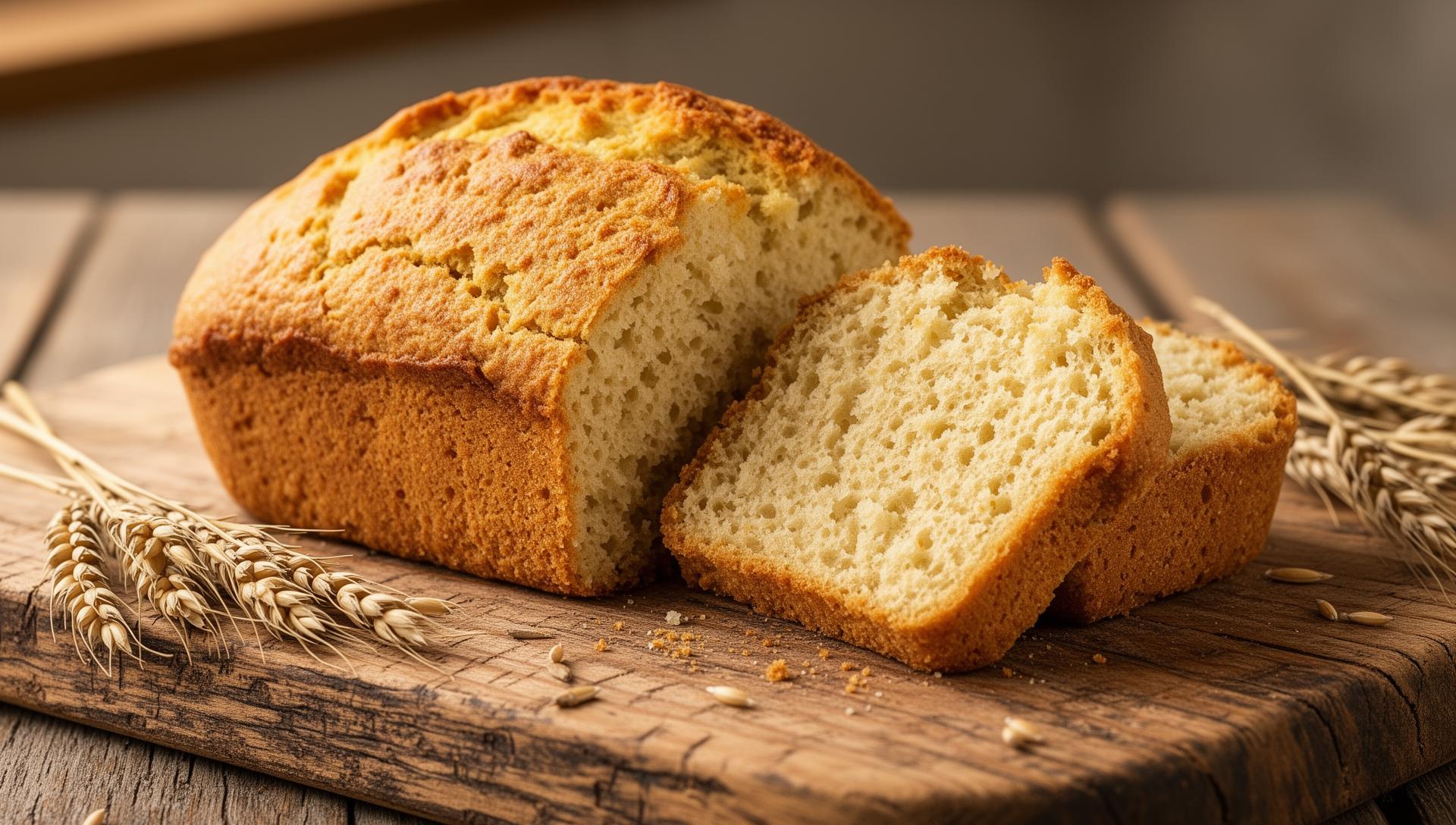
Easy Low-FODMAP Bread Recipe - Soft, Fluffy & Gut-Friendly
This easy low-FODMAP bread recipe makes a soft, fluffy loaf that is perfect for the elimination phase of the FODMAP diet. Made with certified gluten-free flour, lactose-free milk, and garlic-infused oil, this homemade bread is IBS-friendly and tastes incredible as toast, sandwiches, or with your favorite low-FODMAP soup.
Recipe
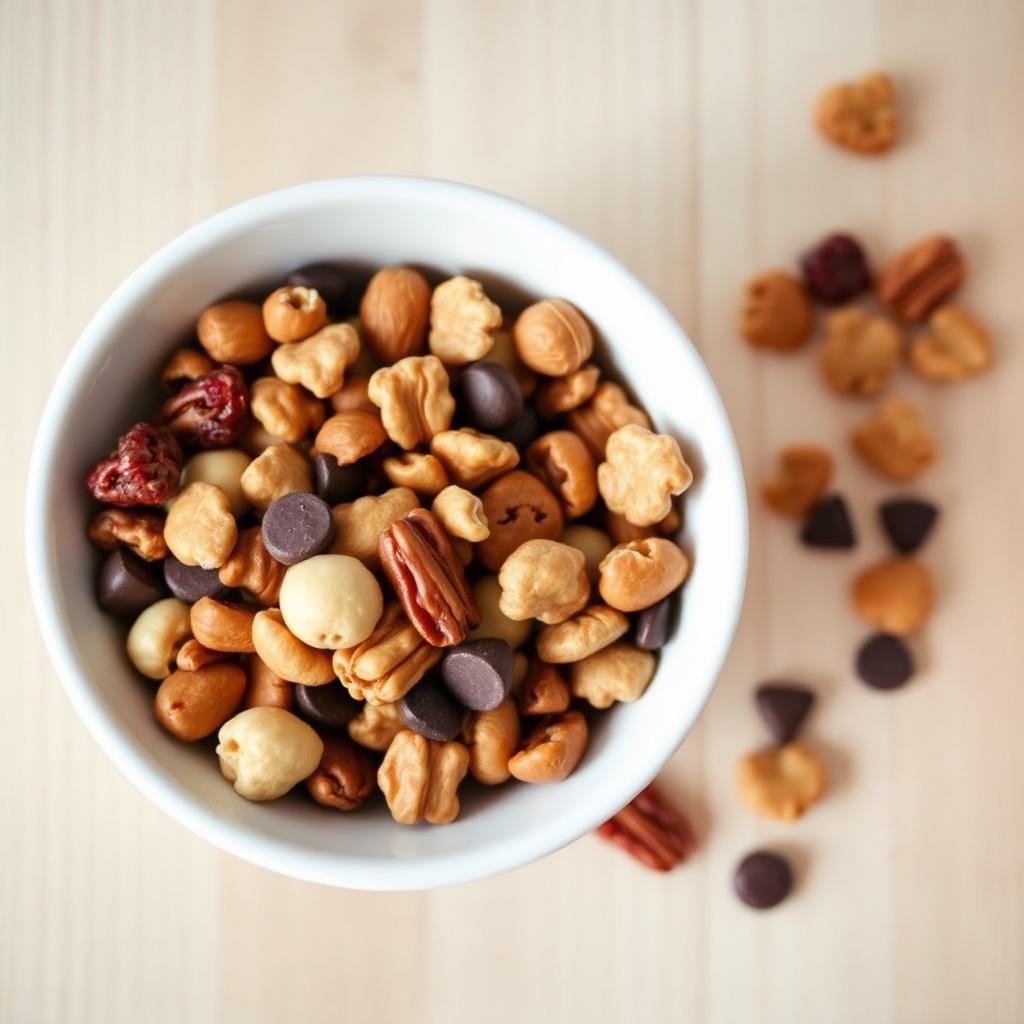
Easy Low FODMAP Trail Mix Recipe — 5-Minute IBS-Friendly Snack
A crunchy, portable Low FODMAP trail mix you can mix in 5 minutes — built on low-FODMAP portions of walnuts, pecans, pumpkin seeds, dark chocolate and dried cranberries. Perfect for hiking, work, or an afternoon IBS-friendly snack.

Recipe
Low FODMAP Indian Food: Creamy Butter Chicken Curry
A rich, fragrant low FODMAP butter chicken made without onion, garlic or ready-made curry paste. Low-FODMAP portions, on the table in 40 minutes.
Comments (0)
Please log in to comment.
No comments yet. Be the first!