Low FODMAP

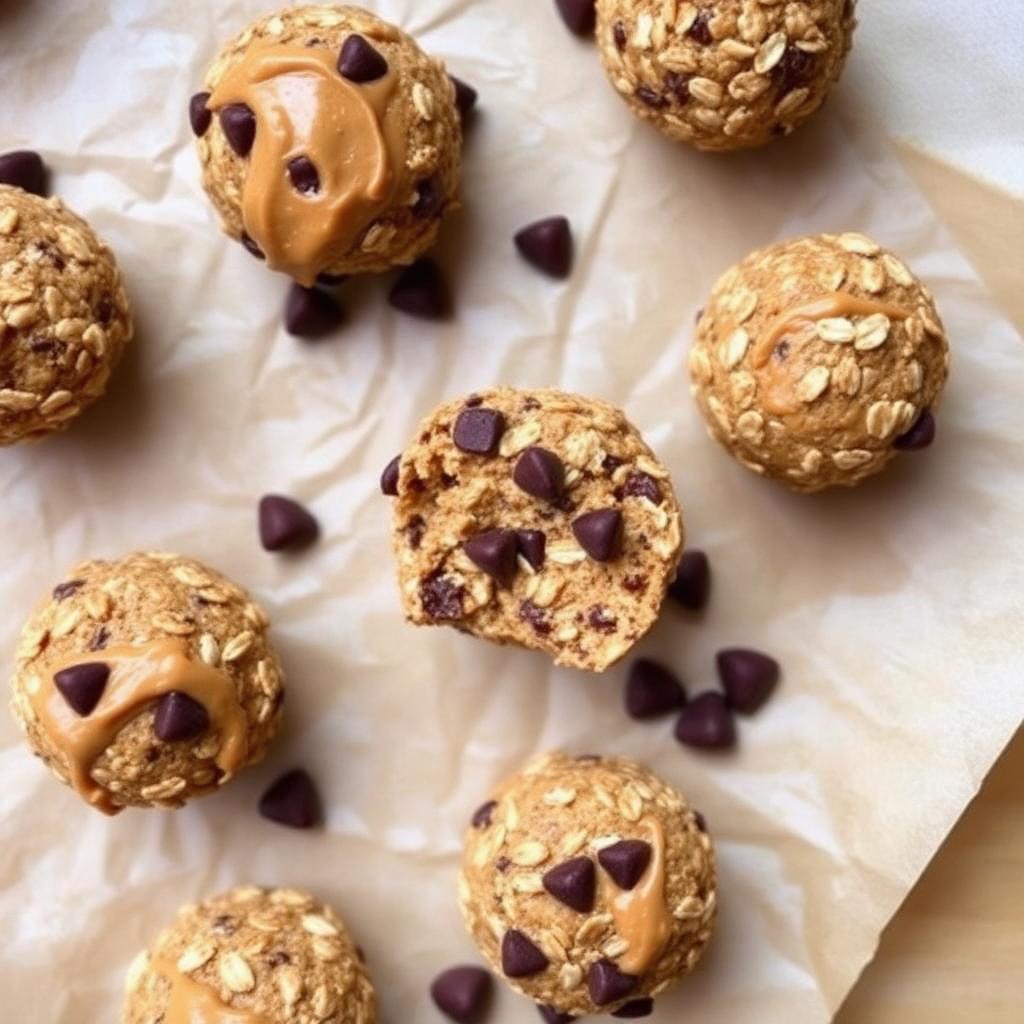
    Low FODMAP Energy Balls (No-Bake, 15 Minutes)

    S
    Sarah Mitchell, RDN
    July 1, 2026

    Total Time

    15 min

    Servings

    6

    Prep

    10 min

    Cook

    5 min

    Share:
    Low FODMAP Energy Balls (No-Bake, 15 Minutes) — low FODMAP snack ready to serve
    Sarah Mitchell, RDN
    Written & reviewed by Sarah Mitchell, RDN• Monash FODMAP Trained Dietitian
    Published July 1, 2026Updated July 21, 2026

    These 5-ingredient no-bake low FODMAP energy balls are packed with peanut butter, oats and dark chocolate chips — the perfect gut-friendly grab-and-go snack for IBS. Ready in 15 minutes and Monash-portion-safe at 2 balls per serving.

    Ingredients

    • 1 cup gluten-free rolled oats (Monash-safe at 1/2 cup dry)
    • 1/2 cup natural peanut butter (100% peanuts, no HFCS)
    • 1/4 cup pure maple syrup (NOT honey)
    • 1/4 cup dark chocolate chips (30g portion is low FODMAP)
    • 2 tbsp chia seeds
    • 1 tsp vanilla extract
    • Pinch of salt

    Instructions

    1. Combine dry ingredients. In a large mixing bowl, add the rolled oats, chia seeds and pinch of salt. Stir with a fork.

    2. Add wet ingredients. Pour in the peanut butter, maple syrup and vanilla extract. Mix vigorously with a sturdy spoon until a thick dough forms — about 90 seconds.

    3. Fold in chocolate chips. Sprinkle in the dark chocolate chips and fold gently. Do not overmix.

    4. Chill 10 minutes. Cover and refrigerate — this firms up the peanut butter and makes rolling easier.

    5. Roll into balls. Scoop 1 tablespoon of dough and roll firmly between your palms. You should get 12 balls. Place on a parchment-lined tray.

    6. Chill to set. Refrigerate for another 30 minutes before eating.

    Storage

    Store in an airtight container in the fridge for up to 7 days or freeze for up to 3 months. Perfect for meal prep with our Grocery List Builder.

    Serving Size

    2 balls per serving keeps you within Monash-approved portions.

    FODMAP Notes and Serving Tips

    Energy balls are convenient, but many versions use dates, honey, cashews, or high-FODMAP protein powders. This recipe uses oats, peanut butter, maple syrup, and dark chocolate in measured amounts to keep the snack more IBS-friendly. Portion size still matters because oats, nuts, and chocolate can stack if you eat several at once.

    Chill the mixture before rolling if it feels sticky. Add chia seeds or pumpkin seeds for texture, but avoid dried fruit during elimination unless you have confirmed your tolerance.

    Store in the fridge for one week or freeze for longer meal prep. This recipe is educational only and should not replace dietetic advice.

    Troubleshooting and Variations

    If the mixture is too dry, add a teaspoon of maple syrup or peanut butter. If it is too sticky, chill it or add a small spoonful of oats. Flavor options include cinnamon, vanilla, pumpkin seeds, chia, or dark chocolate chips. Avoid date paste, honey, cashew butter, and high-FODMAP protein powders. These are best as a measured snack, not a full meal. Use the Food Checker for protein powders and the Symptom Tracker if fiber-rich snacks affect your IBS.
    FODMAP Notes

    Every ingredient in this recipe is Monash-tested low FODMAP at the portions used:

    • Rolled oats: Green at 1/2 cup dry per serve. Use certified gluten-free if coeliac.
    • Peanut butter: Green at 2 tbsp. Choose 100% peanuts — many brands add honey/HFCS. Check with our FODMAP Food Checker.
    • Maple syrup: Green at 2 tbsp. The correct low FODMAP swap for honey.
    • Dark chocolate chips: Green at 30g (about 3 tbsp).
    • Chia seeds: Green at 2 tbsp.

    Stick to 2 balls per sitting during elimination. During reintroduction, trial larger portions using our Symptom Tracker. For more grab-and-go ideas, browse our Low FODMAP Snacks Hub.

    This recipe follows guidelines from the Monash University FODMAP Program.

    Practical Low FODMAP Notes for Low FODMAP Energy Balls (No-Bake, 15 Minutes)

    Low FODMAP Energy Balls (No-Bake, 15 Minutes) is most useful when the serving size stays consistent, because FODMAP tolerance often changes when portions creep upward. Use the listed servings as the starting point, then portion leftovers before storing so the meal stays predictable on busier days. If you are cooking for family members who do not follow a low FODMAP plan, keep onion, garlic, wheat-heavy sides, and high-FODMAP sauces separate at the table instead of mixing them into the main recipe.

    Ingredient notes: this recipe uses 1 cup gluten-free rolled oats (Monash-safe at 1/2 cup dry), 1/2 cup natural peanut butter (100% peanuts, no HFCS), 1/4 cup pure maple syrup (NOT honey), 1/4 cup dark chocolate chips (30g portion is low FODMAP), 2 tbsp chia seeds, 1 tsp vanilla extract, Pinch of salt. Check packaged ingredients carefully, especially broths, spice blends, gluten-free mixes, condiments, and dairy substitutes, because garlic powder, onion powder, inulin, chicory root fiber, high-fructose sweeteners, and wheat-based thickeners can appear in small print. When unsure, choose plain versions and add flavor with garlic-infused oil, fresh herbs, citrus, ginger, chives, scallion greens, or low FODMAP spice blends.

    For IBS-friendly meal prep, cool leftovers quickly and refrigerate in shallow containers. Reheat only the portion you plan to eat, and add fresh herbs, lemon juice, or a small drizzle of garlic-infused oil after reheating to bring the flavor back without relying on high-FODMAP aromatics. If a recipe feels too rich during a flare, pair it with a simple low FODMAP side such as rice, potatoes, quinoa, lettuce, cucumber, carrots, or another tolerated vegetable.

    This recipe is intended for general low FODMAP education, not medical advice. Individual tolerance varies, so use your dietitian’s guidance and your own symptom history when deciding whether to repeat, increase, or modify a serving. During the elimination phase, keep portions conservative; during reintroduction, test one FODMAP group at a time so you can clearly identify personal triggers.

    Helpful next steps: use the FODMAP Food Checker before adding new ingredients, try the Ingredient Swap Tool when a sauce or seasoning is questionable, and save recipes that worked well so you can build a reliable rotation of breakfasts, lunches, dinners, and snacks.

    Storage Tips

    Store in an airtight container in the refrigerator for up to 3-4 days. This recipe freezes well for up to 3 months.

    Recipe FAQs

    Rate this recipe

    Your rating

    Comments (0)

    Please log in to comment.

    No comments yet. Be the first!