Why Restaurant Indian Food Triggers IBS
Indian cooking is one of the hardest cuisines to navigate on a low FODMAP diet — not because of the spices, but because almost every base starts with onion, garlic and sometimes lentils or chickpeas. Restaurant curry gravies are typically built from a large volume of browned onion puree plus garlic paste, then thickened with cashews, cream or besan (chickpea flour). Naan adds wheat fructans on top, and mango chutney or raita can pile on excess fructose and lactose.
The reassuring part: the aromatic character of Indian food comes from whole and ground spices — cumin, coriander seed, turmeric, cardamom, cinnamon, fennel, paprika, chilli — and spices are low FODMAP. Once you replace the allium base with garlic-infused oil, ginger and spring onion greens, you can rebuild a genuinely creamy, restaurant-style butter chicken that will not stack fructans.
Use our Low FODMAP Food Checker to test any brand of curry powder before you buy it, and the Ingredient Swap tool for allium-free alternatives.
Ingredient Notes (Low FODMAP)
- Garlic-infused oil carries the garlic flavour without the fructans. Fructans are water-soluble, not oil-soluble, so a good-quality infused oil is low FODMAP. Never substitute crushed garlic in oil from a jar — that is stored in the oil and still contains the bulb.
- Spring onion greens replace the onion base. Only the green tops are low FODMAP; the white bulb is high in fructans.
- Canned tomatoes are low FODMAP at 100 g per serve. This recipe divides 400 g across 4 servings, so you stay inside the tested window.
- Lactose-free cream gives the classic makhani richness without lactose. If you prefer dairy-free, use canned coconut milk but keep it to 60 ml (1/4 cup) per serve — the recipe’s 150 ml across 4 serves fits.
- Garam masala is safe in itself, but many supermarket blends include onion or garlic powder. Read the label, or blend your own from cumin, coriander, cardamom, cinnamon, clove and black pepper.
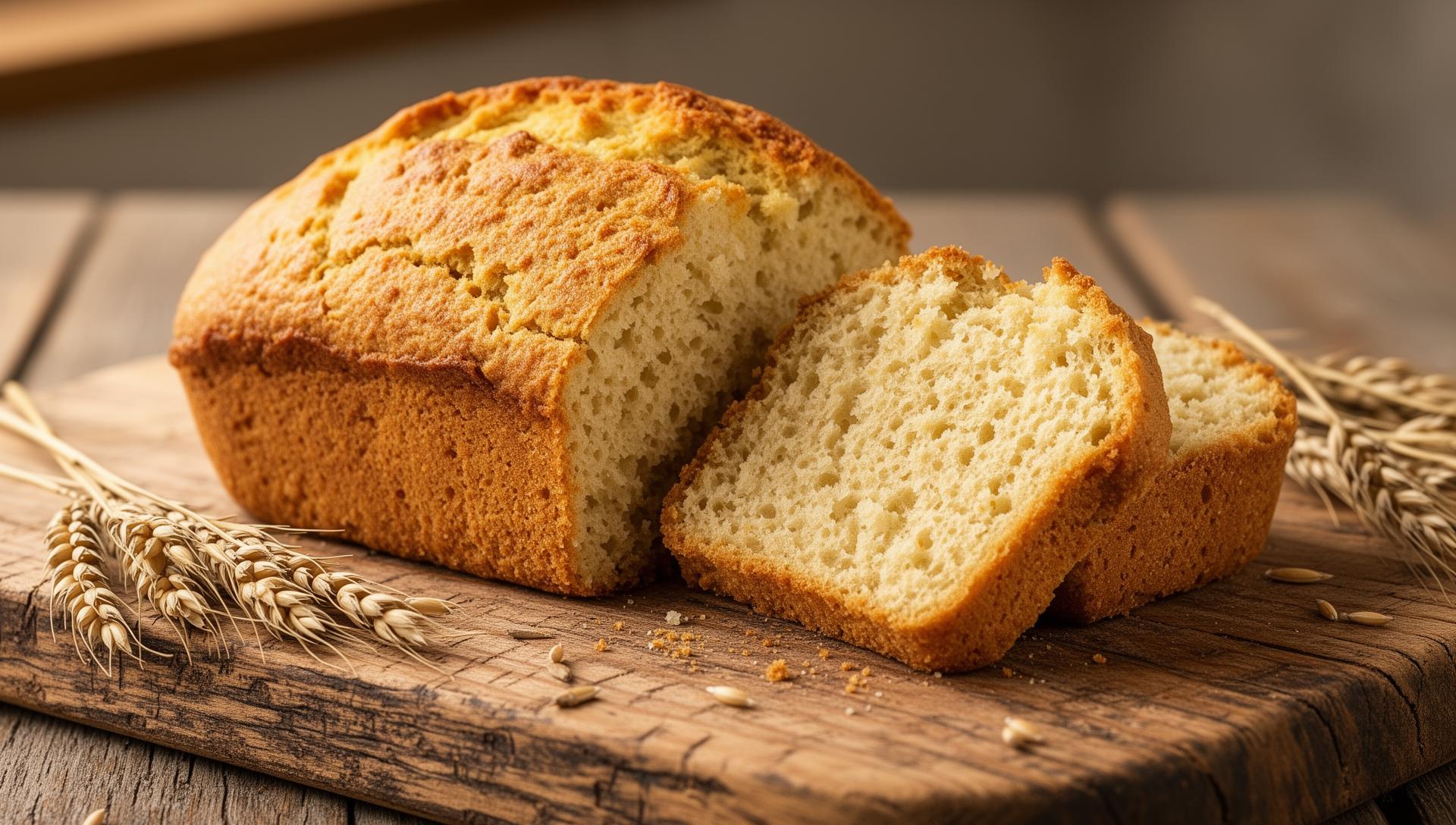
- Basmati rice is low FODMAP and a better choice than naan. If you want bread, see our low FODMAP bread recipes.
- Chicken thigh stays juicier in a simmered curry; breast works but reduce the simmer by 5 minutes.
Instructions
- Marinate the chicken (10 minutes). Toss the chicken pieces with the lactose-free yoghurt, 1 tsp cumin, 1/2 tsp turmeric and a pinch of salt. Leave it while you prepare everything else — even 10 minutes makes the meat noticeably more tender.
- Bloom the spices. Heat 2 tbsp garlic-infused oil in a wide, heavy pan over medium heat. Add the remaining cumin, coriander, turmeric, paprika and chilli powder and stir for 30–45 seconds until fragrant. This step is what separates a flat curry from a deep one — dry spices need fat and heat to release their aromatics. Do not let them scorch.
- Add ginger and spring onion greens. Stir in the grated ginger and 2 tbsp of the spring onion greens. Cook for 1 minute.
- Toast the tomato paste. Add the tomato paste and fry it for 2 minutes, stirring constantly, until it darkens from bright red to brick. This caramelises the sugars and replaces the sweetness normally provided by browned onion.
- Build the sauce. Add the chopped tomatoes, brown sugar and salt. Simmer for 8–10 minutes until the sauce thickens and the oil begins to separate at the edges.
- Blend for smoothness (optional but recommended). Take the pan off the heat and blend the sauce with a stick blender until velvety. This gives you the silky restaurant texture without cashews.
- Sear the chicken. In a separate pan, heat the last tablespoon of infused oil over high heat and sear the marinated chicken in a single layer for 2–3 minutes per side until golden. You are colouring it, not cooking it through.
- Simmer together. Add the chicken and any resting juices to the sauce. Simmer gently for 10–12 minutes until the chicken is cooked through (75°C internal).
- Finish. Stir in the butter, the lactose-free cream and the garam masala. Simmer for 2 more minutes, then taste and adjust salt and sugar. Scatter over the remaining spring onion greens and fresh coriander.
- Serve. Spoon over basmati rice, roughly 1 cup cooked per person, with a wedge of lime and extra coriander.
Portion Guide (Per Serve, 4 Servings)
| Component | Per serve | Monash status |
|---|---|---|
| Canned tomato | 100 g | Low FODMAP |
| Lactose-free cream | ~38 ml | Low FODMAP |
| Coconut milk (if used instead) | ~38 ml | Low FODMAP under 60 ml |
| Basmati rice, cooked | 1 cup | Low FODMAP |
| Spring onion greens | ~1 tbsp | Low FODMAP |
| Ginger | ~1 tsp | Low FODMAP |
If you are eating this during the strict elimination phase, keep to one serve and avoid pairing it with other borderline foods at the same meal. Our Portion Calculator helps you scale servings safely.
Troubleshooting
| Problem | Likely cause | Fix |
|---|---|---|
| Sauce tastes thin or sour | Tomato paste not toasted long enough | Fry the paste 2–3 minutes until brick-coloured before adding liquid |
| Curry lacks depth | Spices added to liquid rather than hot oil | Always bloom dry spices in fat first |
| Sauce split or greasy | Cream added over high heat | Lower the heat before adding cream and never boil afterwards |
| Chicken dry | Breast simmered too long | Reduce final simmer to 6–8 minutes for breast |
| Gritty texture | Ground spices under-cooked | Bloom longer, then blend the sauce smooth |
| Symptoms after eating | Stacking with naan, chutney or a second serve | Stick to rice, one serve, and log it in the Symptom Tracker |
5 Variations
- Vegetarian tikka masala. Swap the chicken for 400 g firm tofu (firm tofu is low FODMAP; silken is not) plus 150 g diced red capsicum.
- Prawn curry. Use 500 g raw prawns and add them in the last 4 minutes only.
- Dairy-free korma style. Replace cream with 150 ml coconut milk, drop the chilli, and add 1/2 tsp ground cardamom and a pinch of cinnamon.
- Spinach saag chicken. Stir 200 g baby spinach through at the end until wilted — spinach is low FODMAP at 75 g per serve.
- Dry-fry masala. Halve the tomatoes and skip the cream for a thicker, drier masala that works well in lunch boxes.
Make-Ahead and Storage
- Fridge: up to 3 days in an airtight container. The flavour actually improves overnight as the spices settle.
- Freezer: freeze the sauce and chicken together for up to 3 months. Cream-based sauces can separate slightly on thawing — reheat gently and whisk.
- Reheat: low heat on the stovetop with a splash of water. Avoid a hard boil, which splits the cream.
- Batch tip: double the sauce and freeze half in flat bags. See our meal prep guide for a full weekly system.
Frequently Asked Questions
Is Indian food low FODMAP?
Traditional Indian food is usually not, because most gravies start with onion and garlic and many dishes include lentils or chickpeas. Cooked at home with garlic-infused oil and spring onion greens, Indian food can be fully low FODMAP.
Are curry powder and garam masala low FODMAP?
Pure ground spices are low FODMAP. Commercial blends often add onion or garlic powder, so always check the ingredient list. If a label just says "spices," treat it as unsafe.
Can I eat naan on a low FODMAP diet?
Standard naan is wheat-based and high in fructans. Serve basmati rice instead, or use a gluten-free flatbread.
Is coconut milk safe in curry?
Yes, up to 60 ml (1/4 cup) per serve according to Monash testing. Larger amounts push you into excess sorbitol territory.
What about lentil dal?
Canned, well-rinsed lentils are low FODMAP at 46 g per serve. Dried lentils cooked from scratch are much higher — see the FODMAP food list.
Can I make this in the slow cooker?
Yes. Bloom the spices and toast the paste on the stovetop first, then transfer everything except the cream to the slow cooker for 4 hours on low. Stir the cream in at the end.
Related Reading
- Getting started on the low FODMAP diet
- The complete low FODMAP foods list
- Low FODMAP dinner recipes
- Low FODMAP Thai food and Mexican food
- Eating out on a low FODMAP diet
- Recipe Converter tool
Medical disclaimer: This content is for informational purposes only and is not medical advice. FODMAP tolerance varies between individuals. Always work with a qualified dietitian or your healthcare provider before starting, changing or reintroducing foods on an elimination diet.