Sauce is where most low FODMAP meals fall apart. Onion and garlic sit in the base of almost every jar, bottle and packet on the shelf. This hub shows you exactly which sauces are safe, which portions Monash allows, which brands are certified, and how to build five staple sauces at home in under 20 minutes each.
Why Sauces Are the Hardest Part of a Low FODMAP Diet
Sauces concentrate flavour, and in commercial food that flavour almost always comes from onion and garlic. Both are high in fructans, the FODMAP group most commonly reported to trigger bloating and pain in IBS. According to Monash University, who developed and continue to test the diet, symptoms depend on the total FODMAP load in a single sitting — so a tablespoon of garlic-heavy sauce can undo an otherwise perfectly safe plate.
The good news is that sauce is also the easiest thing to replace. Fructans are water-soluble but not oil-soluble, which means garlic-infused oil carries the aroma without the FODMAPs. Add asafoetida, chives, leek green tops and smoked paprika, and you can rebuild almost any sauce you miss.
Low FODMAP Sauces and Safe Portions
Portions below reflect portion-checked serving sizes for the elimination phase. Stay to one sauce serving per meal to avoid stacking.
Sauce
Safe Serve
Notes
Garlic-infused olive oil
Unlimited
Fructans are water-soluble, not oil-soluble
Passata / crushed tomatoes
100 g per serve
Buy plain, not "with herbs and onion"
Tamari or soy sauce
2 tbsp
Tamari is gluten-free
Tomato ketchup
1 tbsp (13 g)
Watch for HFCS and onion powder
Mayonnaise (oil, egg, vinegar)
2 tbsp
Avoid aioli and garlic mayo
Dijon or yellow mustard
1 tbsp
Skip honey mustard
Fish sauce
1 tbsp
Great umami base for stir-fry
Maple syrup
2 tbsp (60 ml)
Use instead of honey
Tahini
2 tbsp
Base for creamy lemon dressing
Rice, white or balsamic vinegar
1–2 tbsp
Balsamic capped at 1 tbsp
Pesto with infused oil
2 tbsp
Basil, parmesan, pine nuts, no garlic cloves
Lactose-free yogurt herb sauce
170 g
Dill, chives, lemon, salt
Sauces to Avoid
If a label lists onion, garlic, onion powder, garlic powder, shallot, honey, agave, inulin, chicory root or high-fructose corn syrup, leave it on the shelf. When a label is vague, run it through our free food checker.
Jarred pasta and pizza sauce with onion or garlic in the ingredients
Caesar, ranch, French onion and honey mustard dressings
Hoisin, teriyaki, sweet chilli and most stir-fry sauce blends
Gravy granules, stock cubes and packet sauce mixes
Hummus, tzatziki with garlic, and garlic aioli
Anything sweetened with honey, agave, or high-fructose corn syrup
Curry pastes and jarred curry sauces (onion and garlic base)
Large serves of balsamic glaze, molasses or barbecue glaze
You do not need a repertoire of twenty sauces. Five cover nearly every meal: a tomato base for pasta and pizza, a smoky barbecue sauce for grilled meat, a vinaigrette for salads and grain bowls, a creamy herb sauce for potatoes and fish, and a stir-fry sauce for rice and noodles. Each one takes under twenty minutes and keeps at least four days in the fridge.
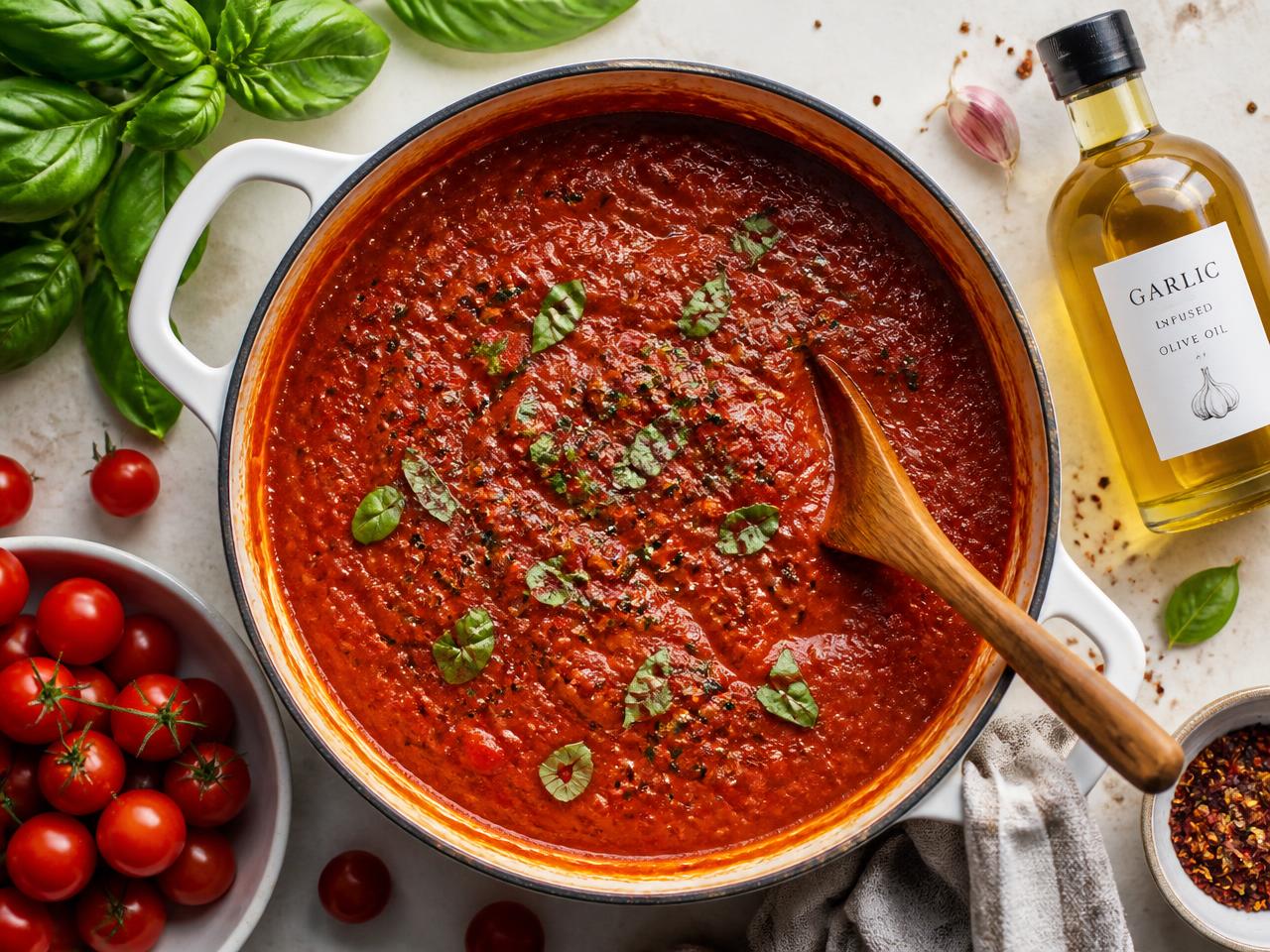
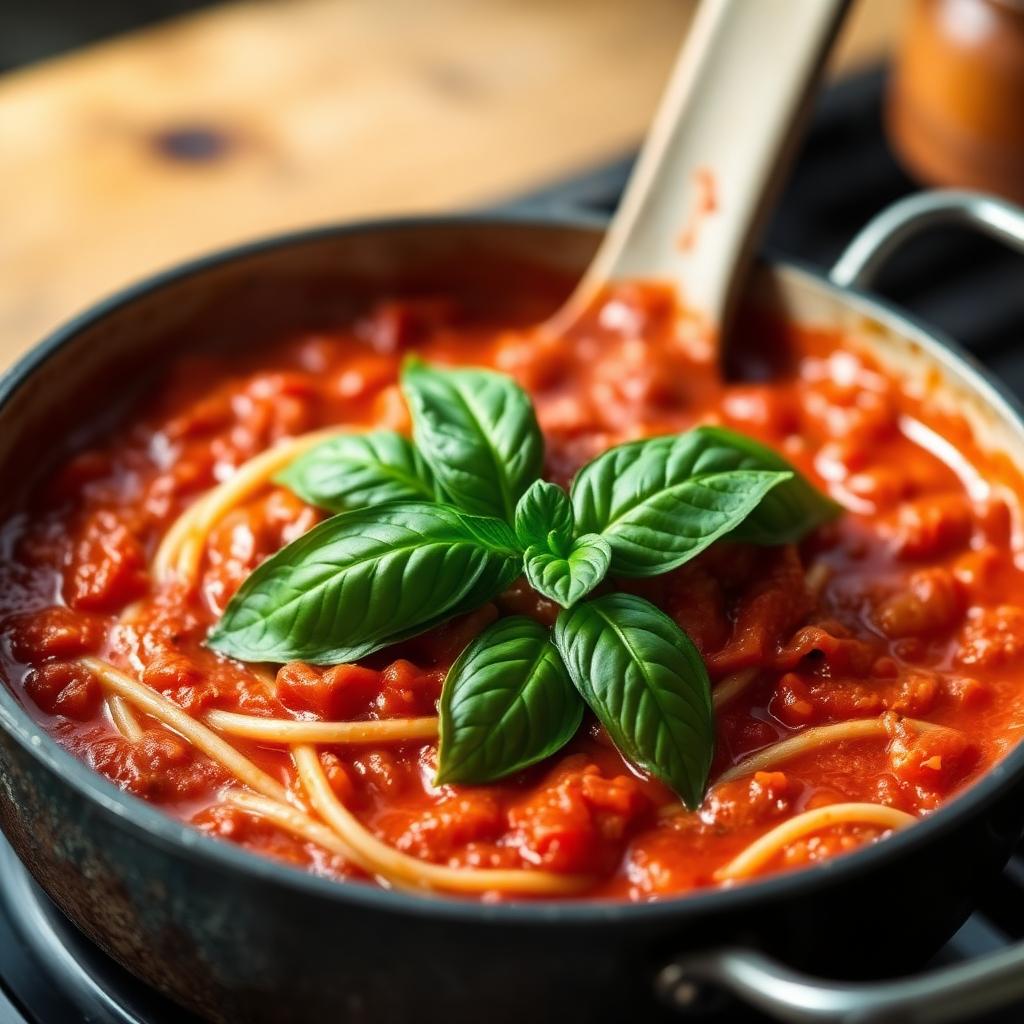
Tomato base: gently cook garlic-infused oil with grated carrot and leek green tops, add tomato paste and toast it for a minute, then add passata and simmer 15 minutes. Full method in our low FODMAP marinara recipe.
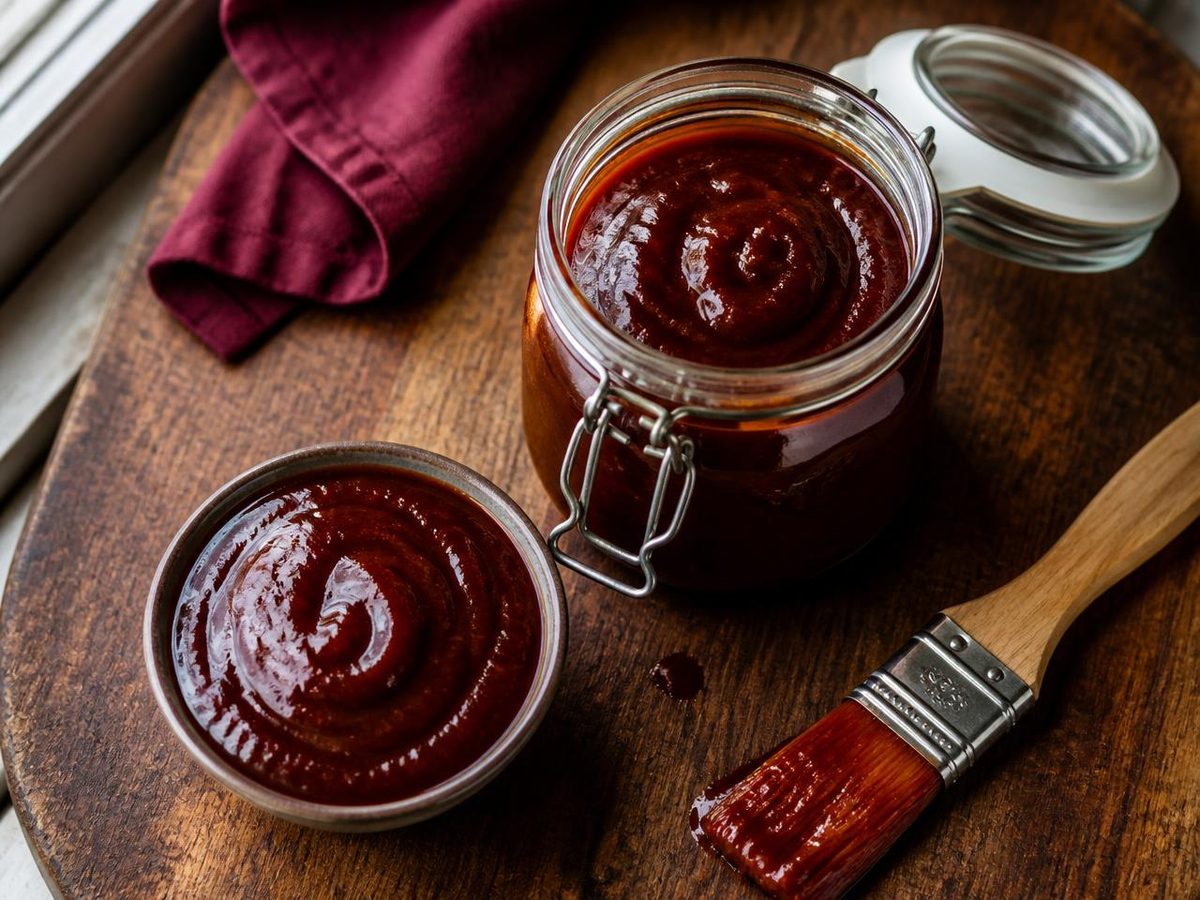
Barbecue: passata, tomato paste, maple syrup, apple cider vinegar, smoked paprika, mustard powder and a pinch of salt, reduced until glossy — see the low FODMAP BBQ sauce.
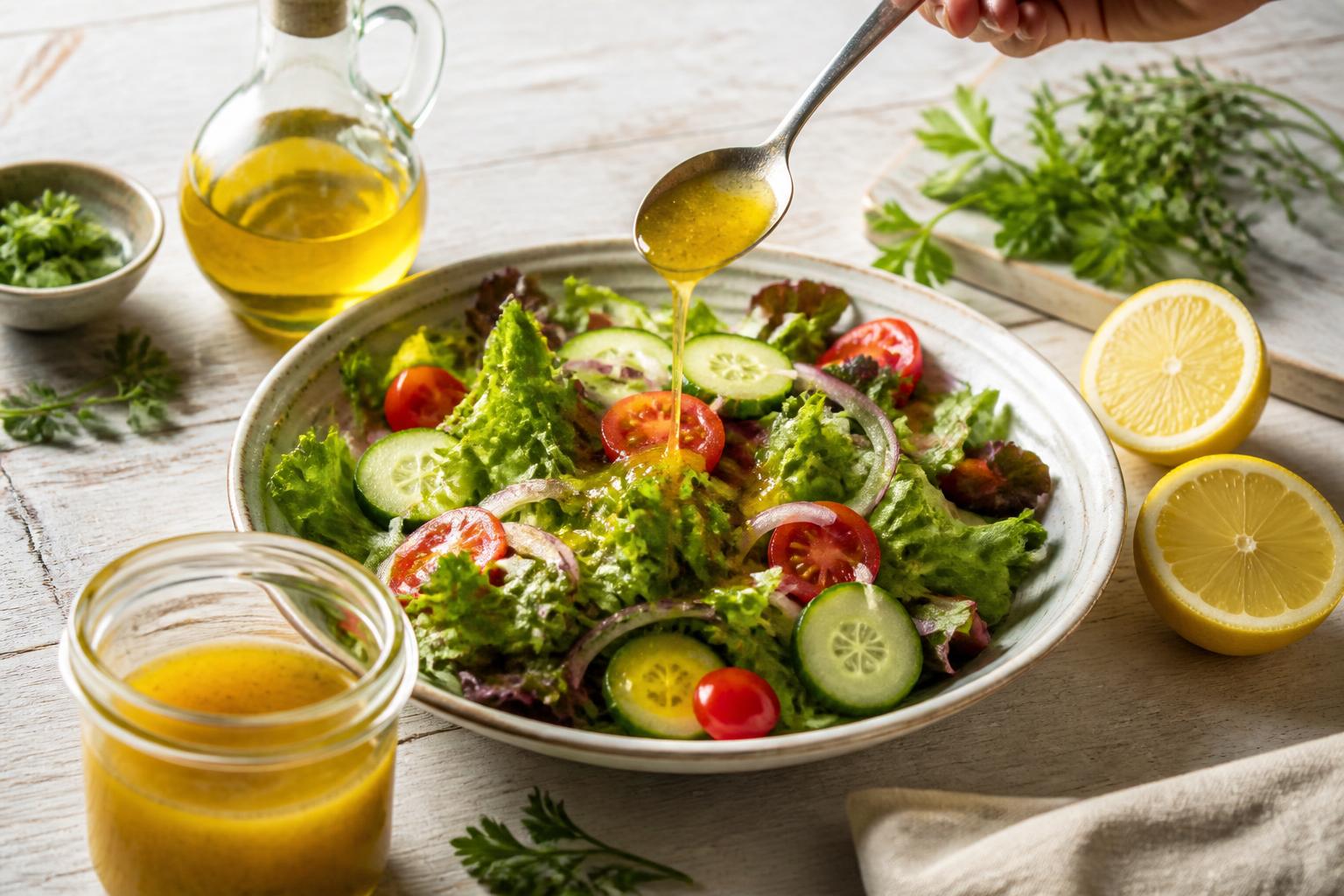
Vinaigrette: three parts olive oil, one part lemon juice or vinegar, half a teaspoon of dijon, salt and pepper. Five variations are in our salad dressing guide.
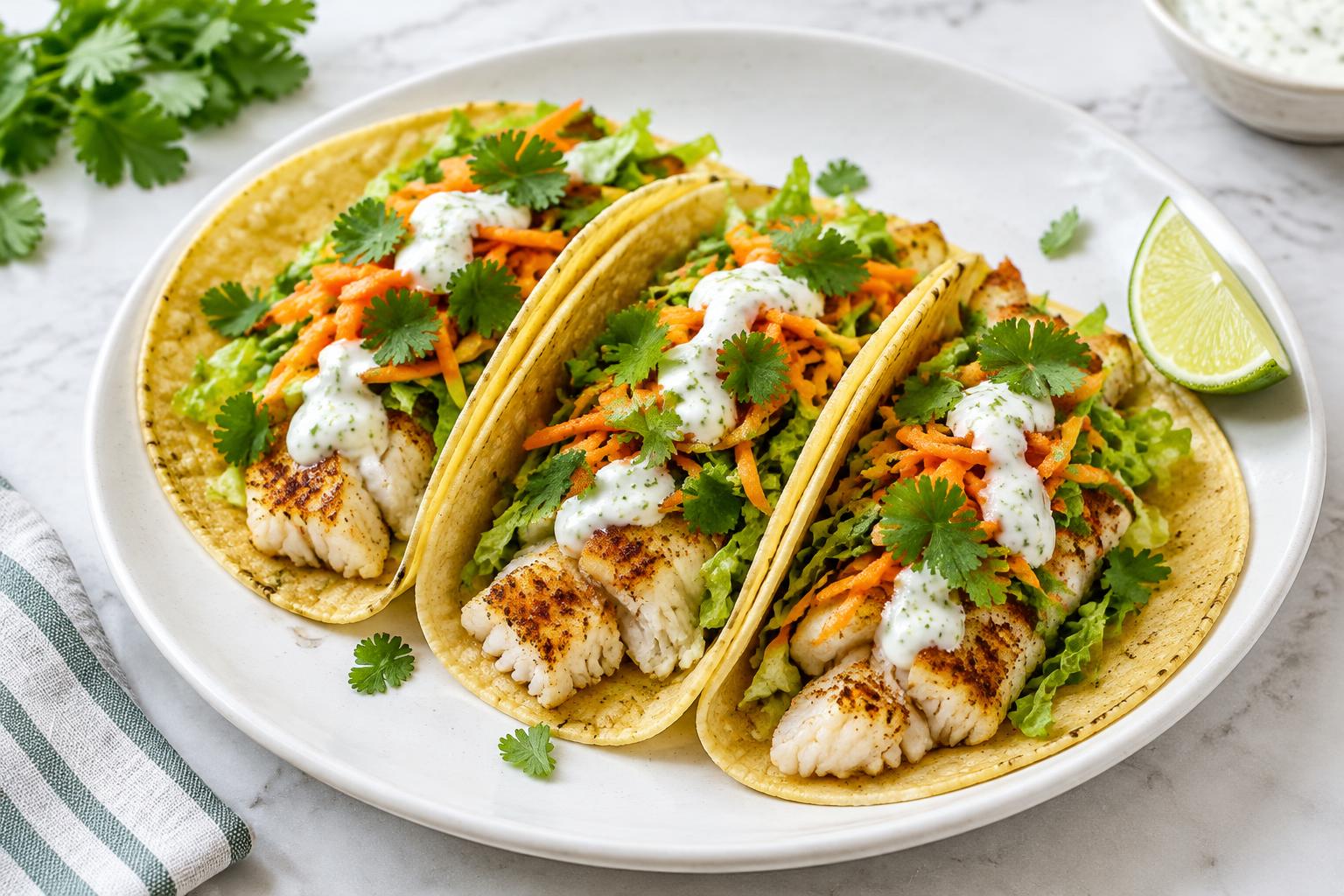
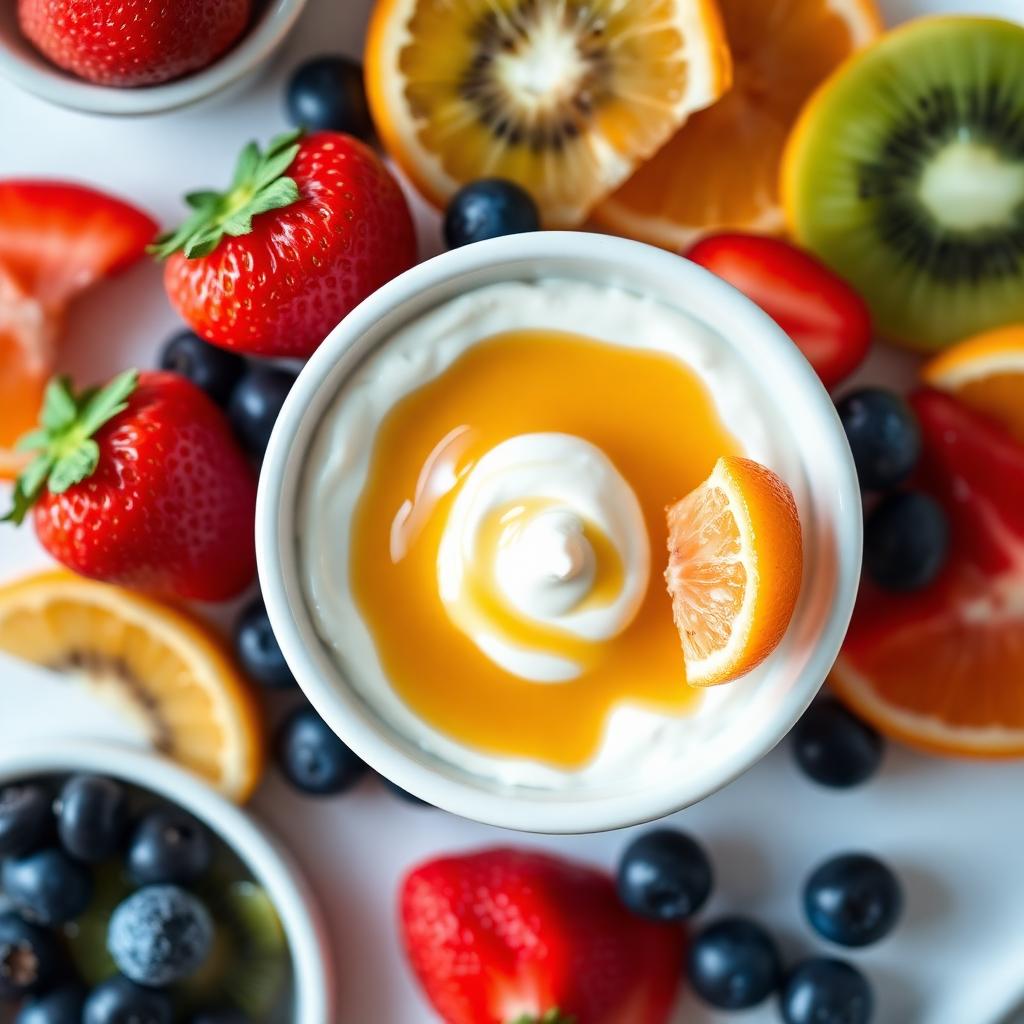
Creamy herb: lactose-free yogurt or mayonnaise with chives, dill, lemon zest and black pepper.
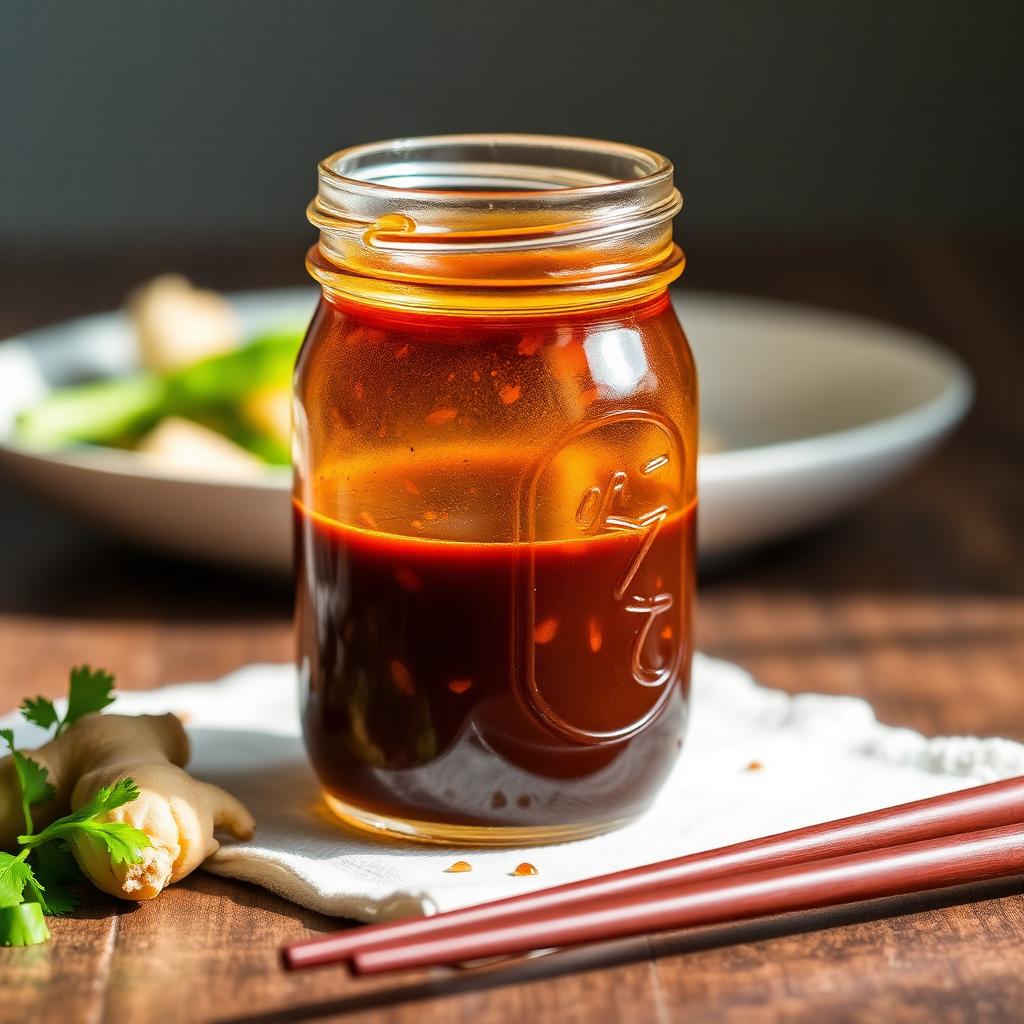
Stir-fry: tamari, maple syrup, grated ginger, rice vinegar and a teaspoon of cornflour to thicken in the pan.
How to Read a Sauce Label
Ingredients are listed by weight, so anything in the first three positions matters most. Watch for onion, garlic, shallot, spring onion bulb, "natural flavour" alongside vegetable powders, honey, agave nectar, high-fructose corn syrup, inulin, chicory root fibre, and fruit juice concentrates from apple or pear. "Gluten-free" does not mean low FODMAP — many gluten-free sauces are thickened with inulin.
Certified brands remove the guesswork because a laboratory has measured FODMAP content at a stated serve. Fody Foods, Gourmend, FreeFod, Casa de Sante and Rachel Pauls Food all carry allium-free sauces. If you cannot find them locally, plain passata plus garlic-infused oil is always cheaper and just as safe.
Getting Garlic and Onion Flavour Without the FODMAPs
Garlic-infused olive oil is the backbone of low FODMAP cooking. Buy commercial infused oil for consistency, or heat oil gently with whole peeled cloves for ten minutes, then remove and discard the cloves — never leave them in the bottle, both for FODMAP and food-safety reasons. For onion depth, use the green tops of leek and spring onion, and add a quarter teaspoon of asafoetida in place of a clove of garlic. Smoked paprika, celery salt (used sparingly), fennel seed, and a splash of tamari all add savoury weight.
Watching Out for FODMAP Stacking in Sauces
Sauces stack faster than whole foods because the ingredients are concentrated. A tablespoon of ketchup, a tablespoon of balsamic glaze and 150 g of tomato sauce are each borderline, but together they can push fructose over your threshold. Keep to one sauce serving per plate and use the portion calculator when you combine two. Our substitution finder suggests a safe replacement for any high FODMAP sauce ingredient.
Eating Out and Ordering Sauce on the Side
Restaurant sauces are almost always allium-based, so ask for plain grilled protein with oil and lemon, and sauce on the side rather than "no sauce" — that way you can taste a small amount and stop. The restaurant order helper writes the exact wording for you.
When to Speak to a Dietitian
The low FODMAP diet is a 2–6 week diagnostic protocol, not a permanent way of eating. Long-term restriction can reduce gut microbiome diversity. If you have been restricting for more than six weeks, work with a FODMAP-trained dietitian through the Monash dietitian directory to start structured reintroduction. This page is educational information, not medical advice.
Paste it into our free converter and get an instant, low FODMAP version with garlic-free swaps and exact portions.
We use cookies for site functionality, analytics (Google Analytics) and advertising partners to personalize content and ads. Read our Cookie Policy and Privacy Policy.