FODMAP Safety Breakdown:
This snack is fully compliant with the elimination phase of the low FODMAP diet:
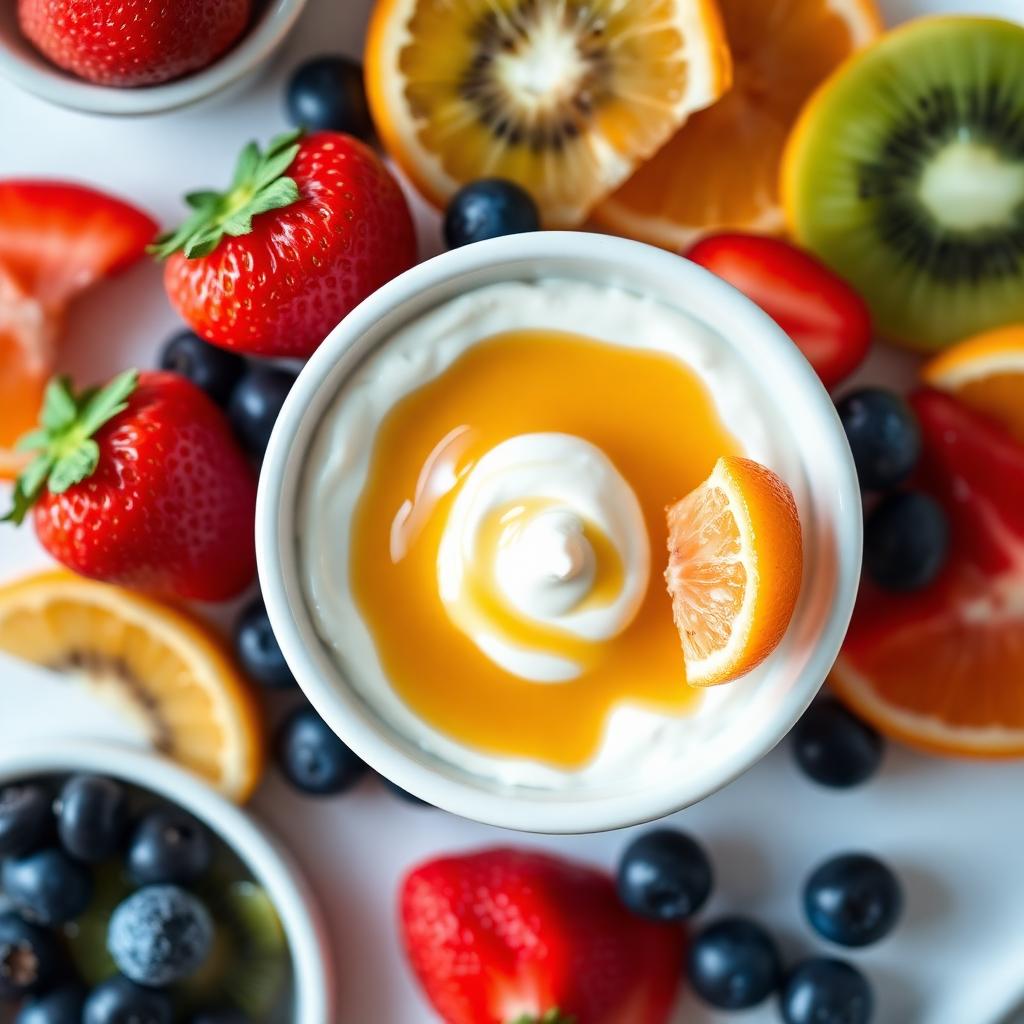
- Lactose-free Greek yogurt: Safe in 3/4 cup (170g) servings — lactose has been broken down
- Pure maple syrup: Low FODMAP up to 2 tbsp per serve
- Strawberries: Low FODMAP up to 10 medium berries (150g) per serve
- Blueberries: Low FODMAP up to 1/4 cup (40g) per serve
- Kiwi: Low FODMAP up to 2 small kiwis per serve
- Orange: Low FODMAP — 1 medium orange per serve
- Lime juice & vanilla: FODMAP-free
Avoid regular yogurt, honey, agave, apples, pears, mango, watermelon, cherries, and dried fruit — all are high FODMAP.
Practical Low FODMAP Notes for Low FODMAP Yogurt Fruit Dip with Fresh Fruit Platter — IBS-Friendly Snack
Low FODMAP Yogurt Fruit Dip with Fresh Fruit Platter — IBS-Friendly Snack is most useful when the serving size stays consistent, because FODMAP tolerance often changes when portions creep upward. Use the listed servings as the starting point, then portion leftovers before storing so the meal stays predictable on busier days. If you are cooking for family members who do not follow a low FODMAP plan, keep onion, garlic, wheat-heavy sides, and high-FODMAP sauces separate at the table instead of mixing them into the main recipe.
Ingredient notes: this recipe uses 1 cup lactose-free plain Greek yogurt, 2 tbsp pure maple syrup, 1 tsp pure vanilla extract, 1 tsp fresh lime juice, 1 cup fresh strawberries, halved, 1/2 cup fresh blueberries, 2 kiwis, peeled and sliced, 1 medium orange, peeled and segmented, Optional: 1 tbsp chopped mint leaves for garnish. Check packaged ingredients carefully, especially broths, spice blends, gluten-free mixes, condiments, and dairy substitutes, because garlic powder, onion powder, inulin, chicory root fiber, high-fructose sweeteners, and wheat-based thickeners can appear in small print. When unsure, choose plain versions and add flavor with garlic-infused oil, fresh herbs, citrus, ginger, chives, scallion greens, or low FODMAP spice blends.
For IBS-friendly meal prep, cool leftovers quickly and refrigerate in shallow containers. Reheat only the portion you plan to eat, and add fresh herbs, lemon juice, or a small drizzle of garlic-infused oil after reheating to bring the flavor back without relying on high-FODMAP aromatics. If a recipe feels too rich during a flare, pair it with a simple low FODMAP side such as rice, potatoes, quinoa, lettuce, cucumber, carrots, or another tolerated vegetable.
This recipe is intended for general low FODMAP education, not medical advice. Individual tolerance varies, so use your dietitian’s guidance and your own symptom history when deciding whether to repeat, increase, or modify a serving. During the elimination phase, keep portions conservative; during reintroduction, test one FODMAP group at a time so you can clearly identify personal triggers.
Helpful next steps: use the FODMAP Food Checker before adding new ingredients, try the Ingredient Swap Tool when a sauce or seasoning is questionable, and save recipes that worked well so you can build a reliable rotation of breakfasts, lunches, dinners, and snacks.