Low FODMAP

    Creamy Low FODMAP Mac and Cheese

    t
    the LowFODMAPRecipe.com Editorial Team
    •July 9, 2026

    Total Time

    30 min

    Servings

    4

    Prep

    15 min

    Cook

    15 min

    Share:
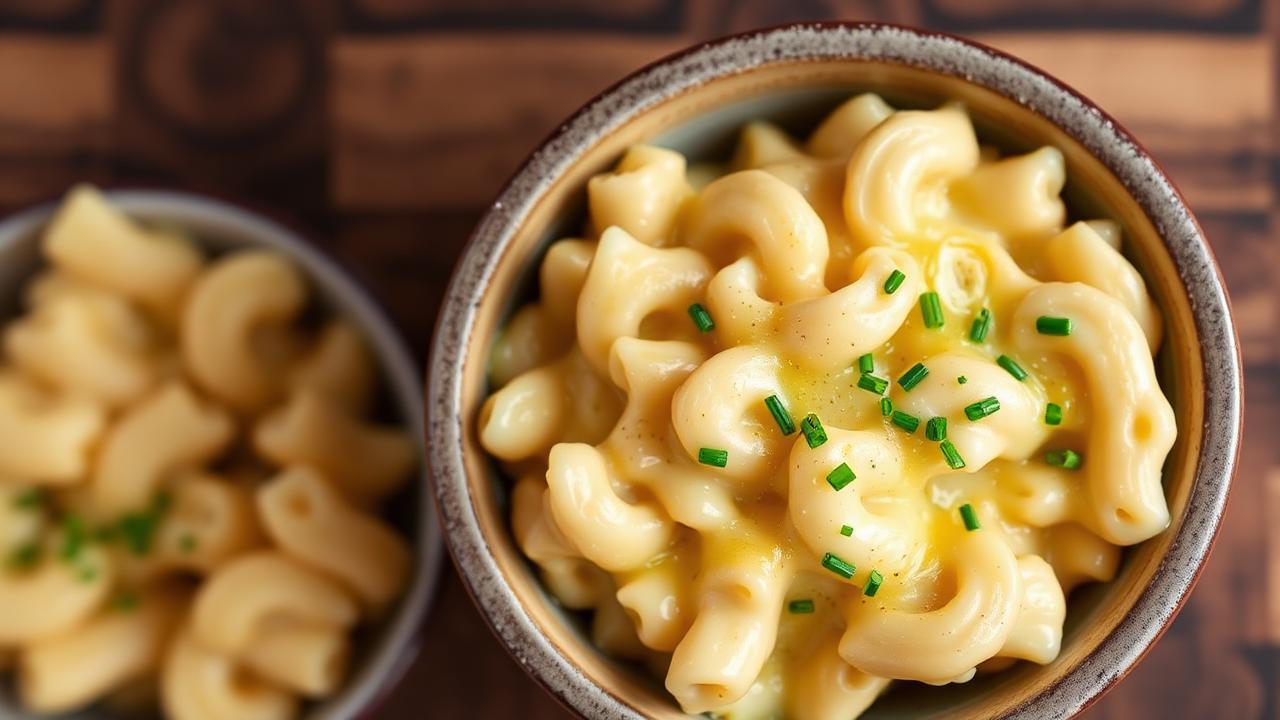
    Creamy Low FODMAP Mac and Cheese — low FODMAP dinner ready to serve
    Written & reviewed by the LowFODMAPRecipe.com editorial team• Educational content, not medical advice
    Published July 9, 2026Updated October 8, 2026

    A rich, creamy Low FODMAP mac and cheese that tastes exactly like the classic — made gut-friendly with gluten-free pasta, lactose-free milk, and a garlic-infused oil base. Ready in 30 minutes, perfect for weeknight comfort food that will not trigger IBS symptoms.

    Ingredients

    • 300g gluten-free elbow pasta (corn/rice blend)
    • 3 tablespoons garlic-infused olive oil
    • 3 tablespoons gluten-free all-purpose flour
    • 2 1/2 cups lactose-free whole milk
    • 2 cups shredded aged cheddar (hard cheeses are naturally lactose-free)
    • 1/2 cup grated Parmesan
    • 1 teaspoon Dijon mustard
    • 1/2 teaspoon smoked paprika

    Preparation

    Step 1 — Boil the pasta. Bring a large pot of salted water to a boil. Add the gluten-free elbows and cook 1 minute less than package directions (they will finish cooking in the sauce). Drain and set aside, tossing with a splash of oil so they do not stick.

    Make the Cheese Sauce

    Step 2 — Build the roux. In a large saucepan over medium heat, warm the garlic-infused olive oil. Whisk in the gluten-free flour and cook for 1–2 minutes until it smells nutty. This is your base — do not let it brown.

    Step 3 — Add the milk slowly. Pour in the lactose-free milk 1/2 cup at a time, whisking constantly. Continue until all the milk is added and the sauce is smooth. Cook 3–4 minutes until it thickens enough to coat the back of a spoon.

    Step 4 — Season the base. Whisk in the Dijon, smoked paprika, nutmeg, salt, and pepper. Taste and adjust.

    Step 5 — Melt in the cheese. Reduce heat to low. Add the cheddar in three batches, whisking until fully melted before adding more. Finish with the Parmesan. The sauce should be glossy and thick.

    Combine and Serve

    Step 6 — Fold in the pasta. Add the drained pasta to the cheese sauce and stir gently until every piece is coated. If it looks too thick, loosen with a splash of warm lactose-free milk.

    Step 7 — Rest for 2 minutes. This lets the sauce cling to the pasta.

    Step 8 — Garnish and serve. Top with chopped chive greens and an extra dusting of Parmesan.

    Optional Baked Version

    Transfer to a greased baking dish, top with gluten-free breadcrumbs mixed with 1 tablespoon melted butter, and bake at 200°C (400°F) for 15 minutes until golden.

    Storage

    Refrigerate leftovers up to 3 days. Reheat gently with a splash of lactose-free milk to restore creaminess.

    For more ideas, browse our Low FODMAP Dinner Recipes or convert your family favorites with our Recipe Converter.
    FODMAP Notes

    Why this recipe is safe on the elimination phase:

    • Gluten-free pasta avoids fructans from wheat. Corn/rice blends are Monash green-light.
    • Garlic-infused oil delivers real garlic flavor because fructans are not oil-soluble — perfectly safe.
    • Lactose-free milk removes the lactose (a FODMAP) while keeping the creamy texture.
    • Aged cheddar and Parmesan are naturally very low in lactose because it is broken down during aging. Monash lists cheddar as green up to 40g and Parmesan as unlimited.
    • Chive green tops provide the onion flavor without the fructans found in bulbs and white stems.

    Portion guidance: One serving (about 1 1/2 cups) is well within low FODMAP ranges. Avoid doubling cheese portions in a single sitting if you are sensitive to lactose.

    Verify any additions with our FODMAP Food Checker, and log how you feel after eating with the Symptom Tracker.

    This recipe is for informational purposes and not medical advice. Consult a registered dietitian before making dietary changes.

    Practical Low FODMAP Notes for Creamy Low FODMAP Mac and Cheese

    Creamy Low FODMAP Mac and Cheese is most useful when the serving size stays consistent, because FODMAP tolerance often changes when portions creep upward. Use the listed servings as the starting point, then portion leftovers before storing so the meal stays predictable on busier days. If you are cooking for family members who do not follow a low FODMAP plan, keep onion, garlic, wheat-heavy sides, and high-FODMAP sauces separate at the table instead of mixing them into the main recipe.

    Ingredient notes: this recipe uses 300g gluten-free elbow pasta (corn/rice blend), 3 tablespoons garlic-infused olive oil, 3 tablespoons gluten-free all-purpose flour, 2 1/2 cups lactose-free whole milk, 2 cups shredded aged cheddar (hard cheeses are naturally lactose-free), 1/2 cup grated Parmesan, 1 teaspoon Dijon mustard, 1/2 teaspoon smoked paprika, 1/4 teaspoon ground nutmeg, Salt and black pepper to taste, 2 tablespoons chopped chives (green tops only) for garnish. Check packaged ingredients carefully, especially broths, spice blends, gluten-free mixes, condiments, and dairy substitutes, because garlic powder, onion powder, inulin, chicory root fiber, high-fructose sweeteners, and wheat-based thickeners can appear in small print. When unsure, choose plain versions and add flavor with garlic-infused oil, fresh herbs, citrus, ginger, chives, scallion greens, or low FODMAP spice blends.

    For IBS-friendly meal prep, cool leftovers quickly and refrigerate in shallow containers. Reheat only the portion you plan to eat, and add fresh herbs, lemon juice, or a small drizzle of garlic-infused oil after reheating to bring the flavor back without relying on high-FODMAP aromatics. If a recipe feels too rich during a flare, pair it with a simple low FODMAP side such as rice, potatoes, quinoa, lettuce, cucumber, carrots, or another tolerated vegetable.

    This recipe is intended for general low FODMAP education, not medical advice. Individual tolerance varies, so use your dietitian’s guidance and your own symptom history when deciding whether to repeat, increase, or modify a serving. During the elimination phase, keep portions conservative; during reintroduction, test one FODMAP group at a time so you can clearly identify personal triggers.

    Helpful next steps: use the FODMAP Food Checker before adding new ingredients, try the Ingredient Swap Tool when a sauce or seasoning is questionable, and save recipes that worked well so you can build a reliable rotation of breakfasts, lunches, dinners, and snacks.

    Storage Tips

    Store in an airtight container in the refrigerator for up to 3-4 days. This recipe freezes well for up to 3 months.

    Recipe FAQs

    Rate this recipe

    Your rating

    Comments (0)

    Please log in to comment.

    No comments yet. Be the first!