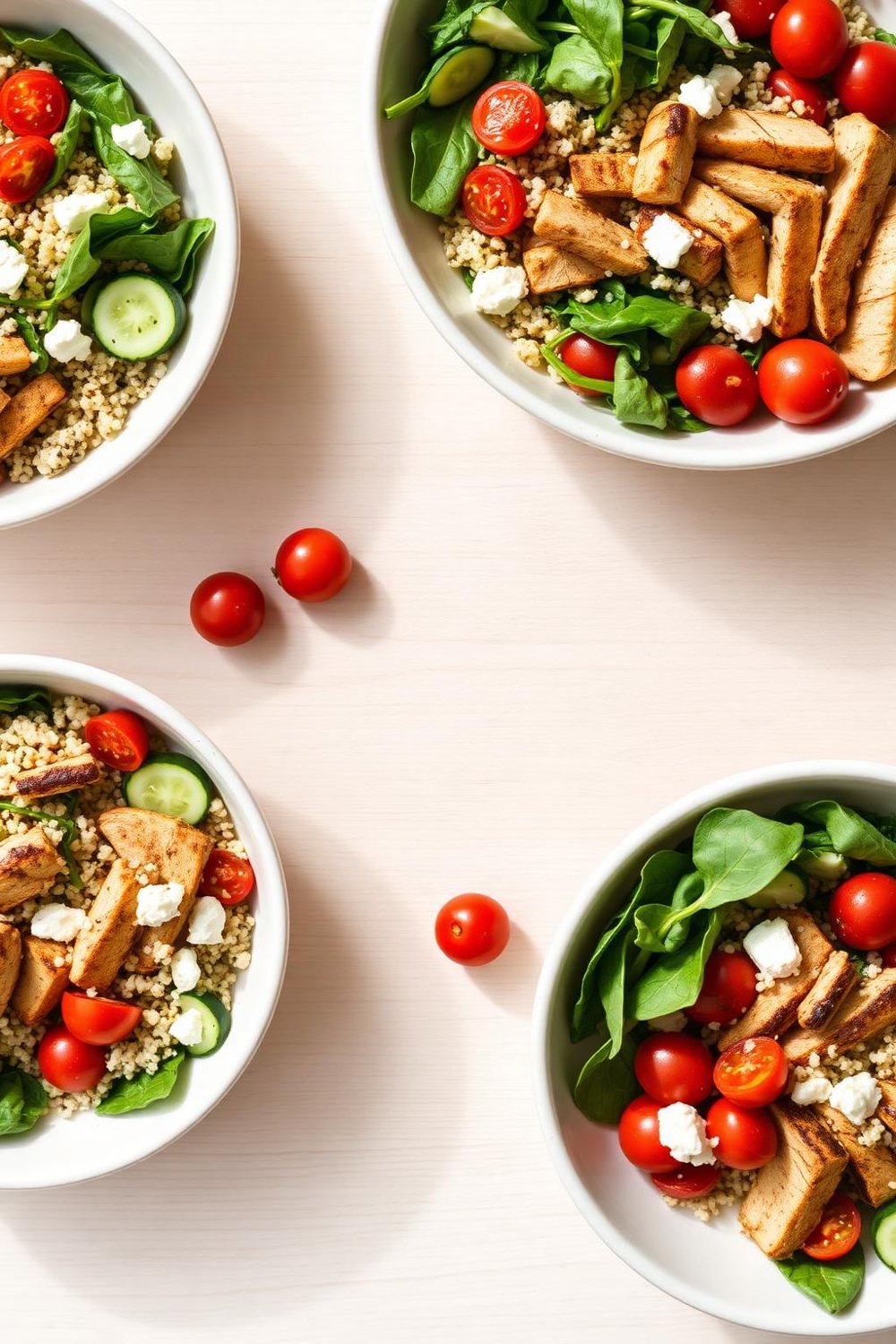
If you have IBS, the salad bar is a minefield. Onion in the dressing, garlic in the marinade, apple in the slaw, chickpeas on top — a meal that is supposed to be light and healthy ends up leaving you bloated for the rest of the afternoon. It is one of the most frustrating parts of the low FODMAP diet, because salads should be the easy option.
The good news: salads are genuinely easy once you know which base, protein and dressing combinations are safe. Below are 16 low FODMAP salad recipes that use Monash-aligned portions, garlic-infused oil instead of raw garlic, and spring onion greens instead of onion. Every one of them can be made in under 30 minutes, and most of them hold up well for meal prep.
Not sure whether an ingredient you already have is safe? Run it through the Low FODMAP Food Checker before you start chopping.
What Makes a Salad Low FODMAP?
Three rules cover almost every case:
- The dressing is the biggest risk. Bottled dressings almost always contain onion powder, garlic powder or high-fructose corn syrup. Make your own with olive oil, vinegar, lemon, mustard and herbs — or use our Low FODMAP Salad Dressing recipes.
- Watch the portion, not just the food. Most vegetables are low FODMAP at a specific serve size. Half a cup of cucumber is fine; three cups is not. The Portion Calculator does the maths for you.
- Avoid stacking. Several moderate ingredients in one bowl add up to a high FODMAP meal even if each one is individually fine.
Evidence-Based Information: Portion guidance in this article follows the Monash University FODMAP Program, the research group that developed the diet. For personalised advice, see a registered dietitian. General IBS background is available from NIDDK.
Key Takeaways
- Swap raw garlic and onion for garlic-infused olive oil and spring onion greens
- Safest bases: lettuce, baby spinach, kale, quinoa, white rice, gluten-free pasta, potato
- Safest add-ins: cucumber, tomato, carrot, red bell pepper, olives, feta, eggs, chicken, salmon, firm tofu
- Skip: chickpeas, lentils in large serves, apple, mango, watermelon, cashews, pistachios, honey
16 Low FODMAP Salad Recipes
1. Lemon Herb Quinoa Tabbouleh
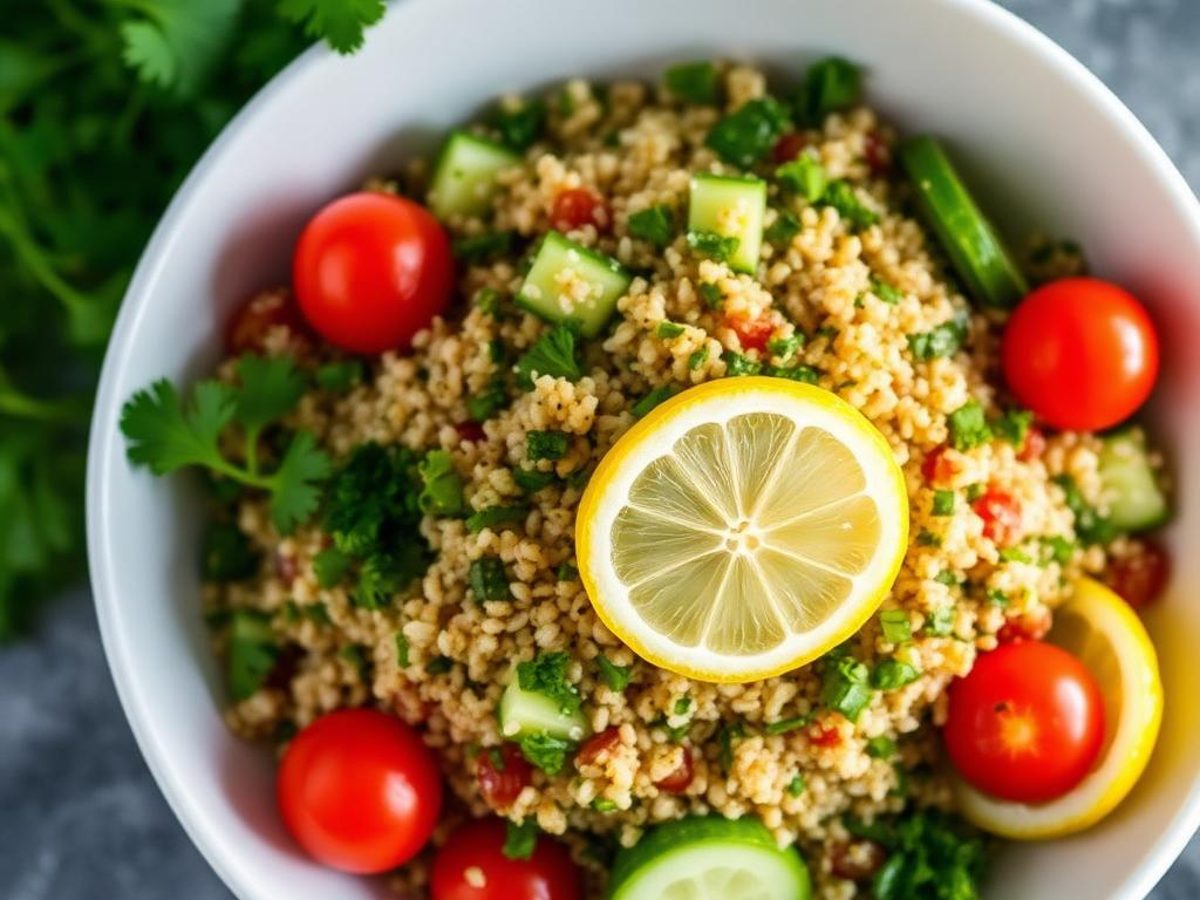
Quinoa is naturally low FODMAP in generous portions, which makes it the perfect base when you want something filling without the bloat. Cook 1 cup of rinsed quinoa, cool it completely, then fold through a big handful of chopped flat-leaf parsley and mint, 1 cup diced cucumber, 12 halved cherry tomatoes, the juice of one lemon and 3 tablespoons of extra virgin olive oil.
Tip: Skip the traditional onion entirely and use the green tops of spring onions instead — they deliver the same sharp bite with none of the fructans. Salt generously; quinoa needs it.
FODMAP note: Monash lists quinoa as low FODMAP at 1 cup cooked, and tomato and cucumber are both green-light in normal serves.
2. Grilled Chicken, Spinach & Strawberry Salad
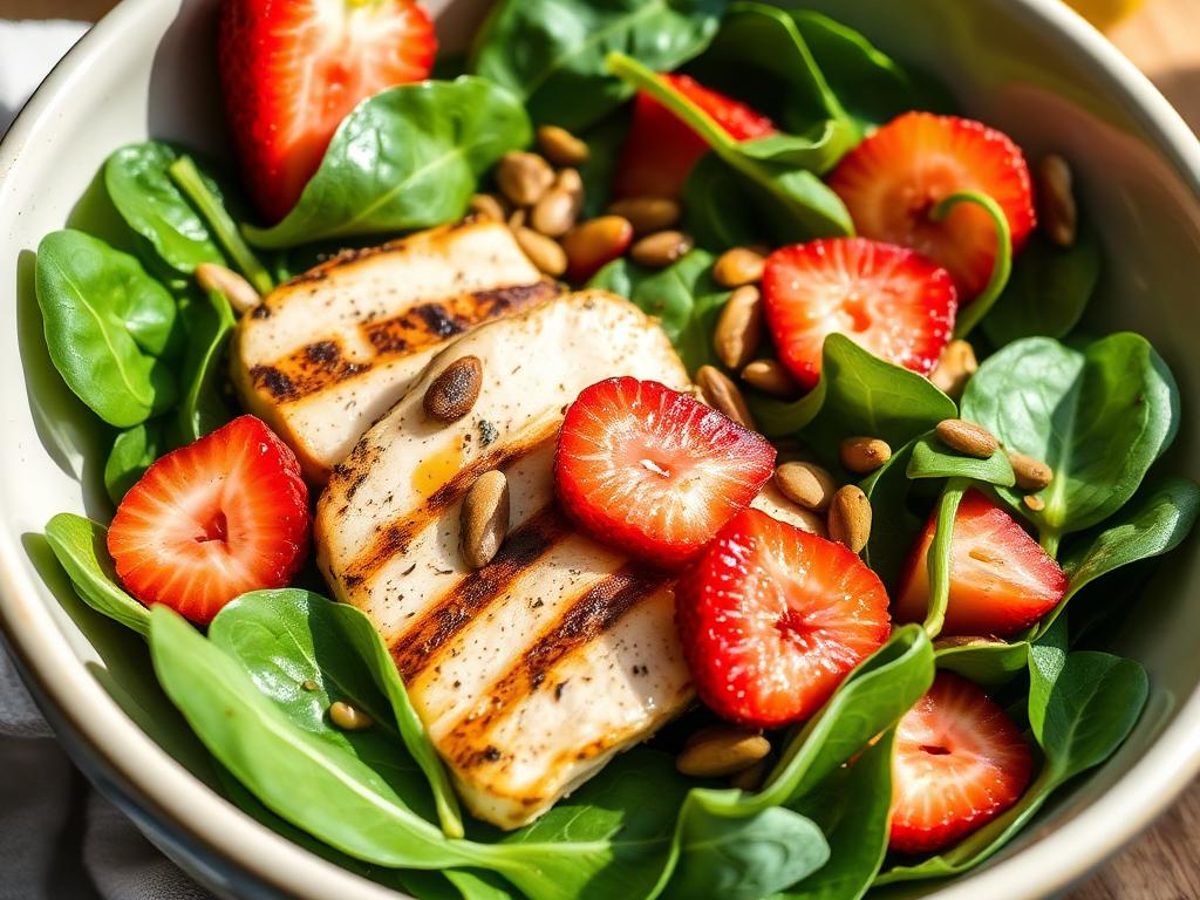
Sweet, savoury and ready in fifteen minutes. Grill a seasoned chicken breast, slice it, and pile it onto 2 cups of baby spinach with 5 sliced strawberries and a tablespoon of pumpkin seeds. Dress with olive oil, a splash of red wine vinegar and a pinch of black pepper.
Tip: Strawberries are one of the safest fruits on the diet — 5 medium berries is a comfortable serve. Toast the pumpkin seeds for 90 seconds in a dry pan to wake up the flavour.
FODMAP note: Baby spinach is low FODMAP at 1.5 cups; if you are very sensitive, split the difference with butter lettuce.
3. Creamy Cucumber & Dill Salad
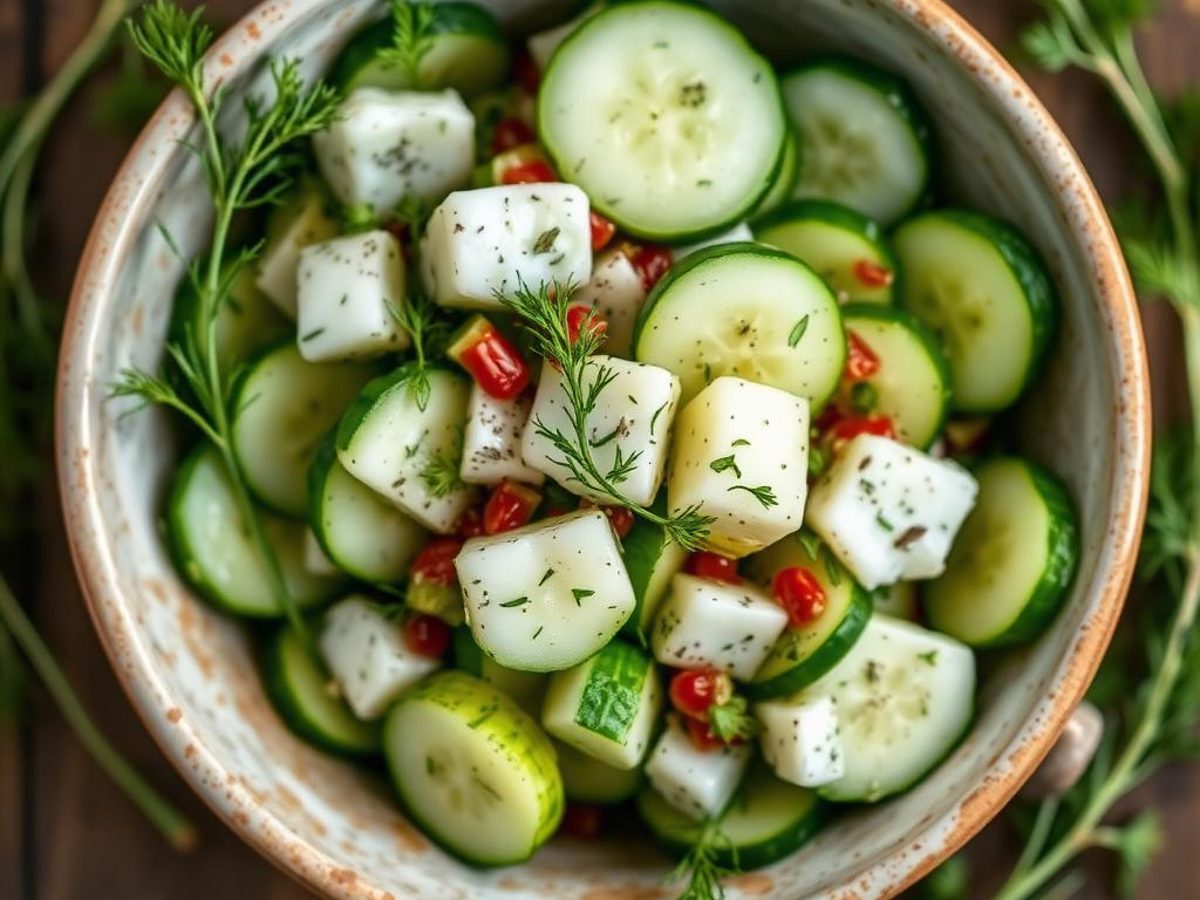
This is the salad that saves a heavy dinner. Thinly slice 2 cups of cucumber, salt it for 10 minutes, pat dry, then toss with 3 tablespoons of lactose-free plain yoghurt, a tablespoon of chopped dill, a squeeze of lemon and cracked pepper.
Tip: Lactose-free yoghurt keeps this creamy without triggering symptoms. If dairy is off the table completely, use a coconut yoghurt with no inulin or chicory root on the label.
FODMAP note: Cucumber is low FODMAP at 1/2 cup per serve and this recipe splits across two portions.
4. Roasted Carrot & Pumpkin Seed Salad
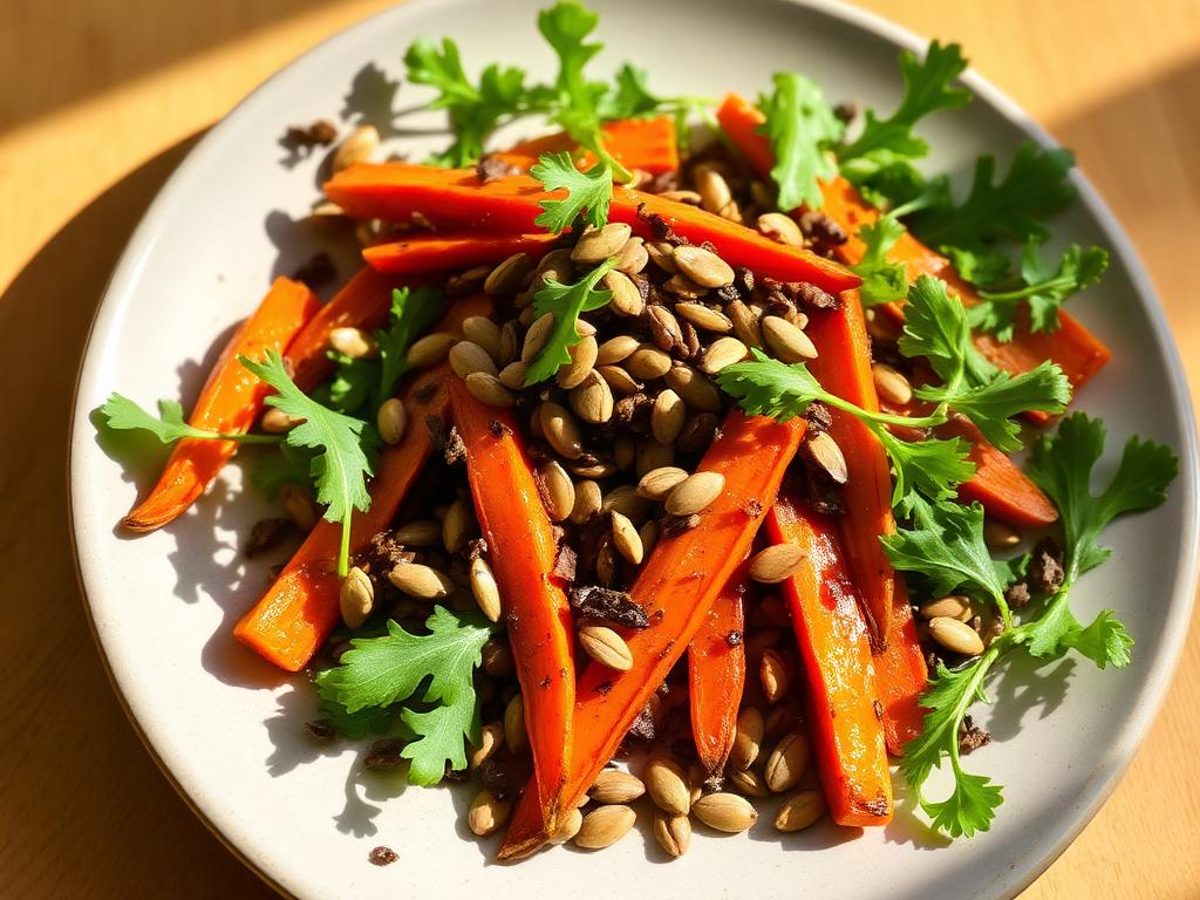
Roast 3 cups of carrot batons at 200C/400F for 25 minutes with olive oil, cumin and salt. Cool slightly, then toss with a handful of rocket, 2 tablespoons of pumpkin seeds and a maple-mustard dressing.
Tip: Carrots have no detectable FODMAPs, so this is one of the few salads you can eat freely even during the strict elimination phase.
FODMAP note: Use pure maple syrup rather than honey — honey is high in excess fructose.
5. Garlic-Free Greek Salad
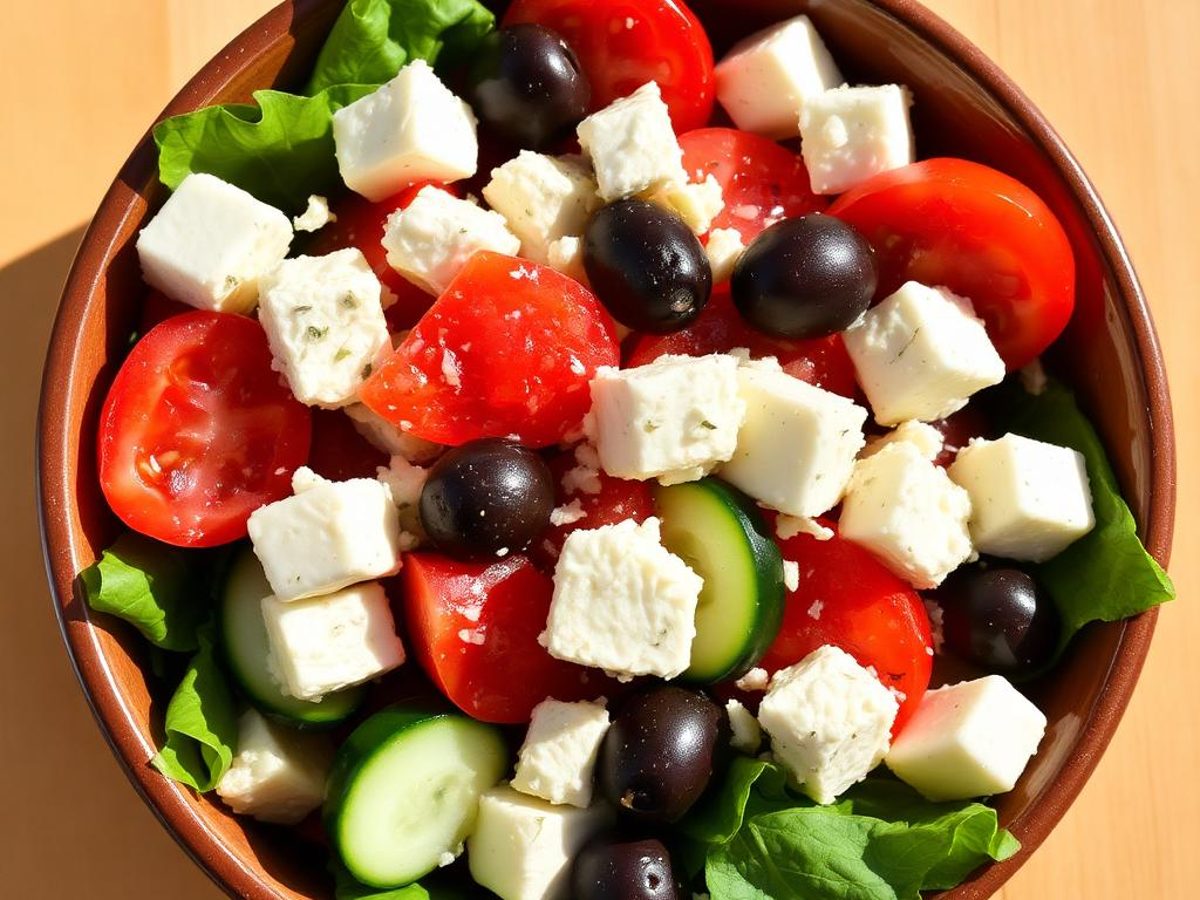
All the Mediterranean flavour, none of the onion. Combine 1 cup chopped tomato, 1/2 cup cucumber, 8 kalamata olives, 40g feta and a generous drizzle of garlic-infused olive oil with dried oregano.
Tip: Garlic-infused oil is the single most useful ingredient in a low FODMAP kitchen: fructans are water-soluble, not oil-soluble, so the flavour transfers but the FODMAPs do not.
FODMAP note: Feta is low FODMAP at 40g. Rinse olives if they are packed in a brine containing garlic.
6. Tuna & Rice Salad with Red Pepper
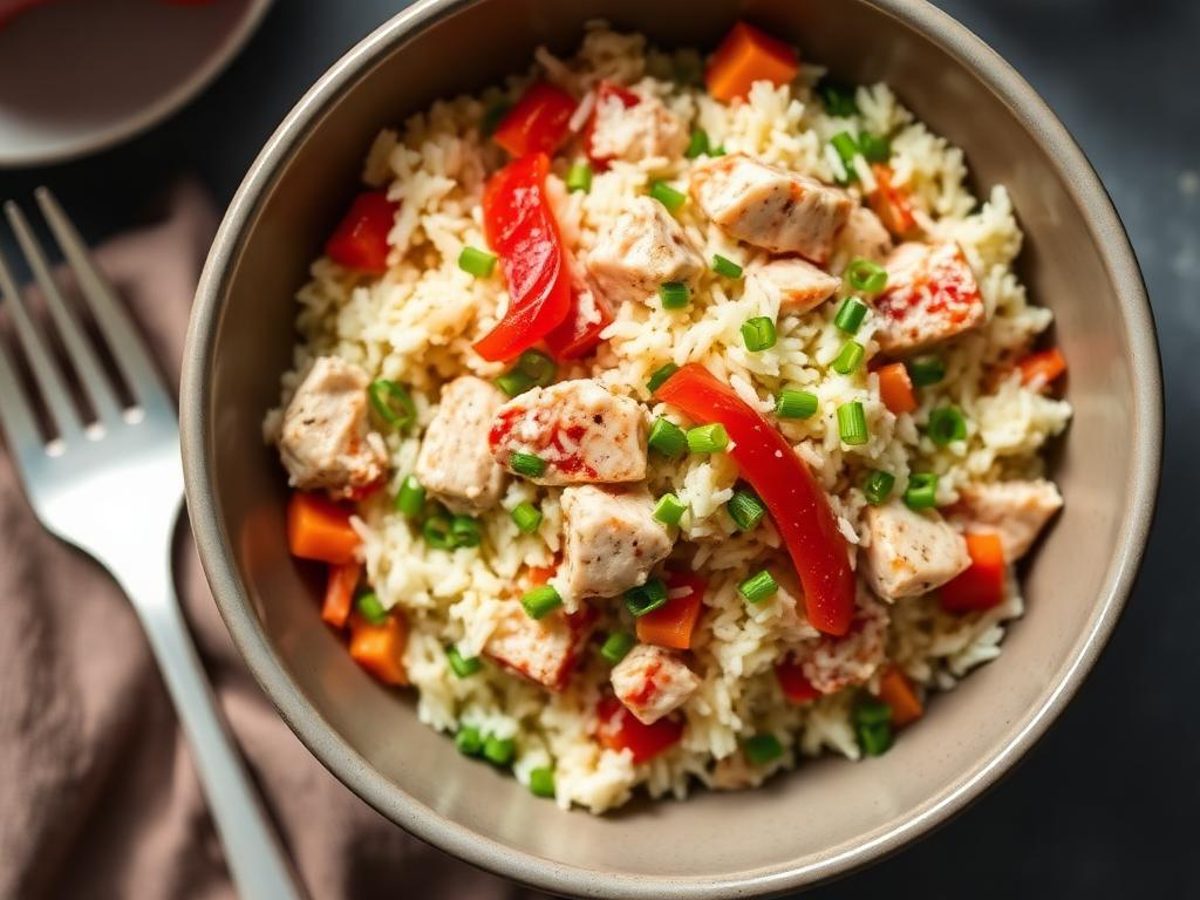
A pantry hero for work lunches. Mix 1 cup cooked cooled white rice with a drained 95g tin of tuna, 1/2 cup diced red bell pepper, chopped chives, lemon juice and olive oil.
Tip: White rice is one of the most reliably tolerated grains on the diet. Chives give you the onion flavour you are missing without the fructans.
FODMAP note: Check the tuna label for onion or garlic powder — plain tuna in springwater or oil only.
7. Kale & Roasted Potato Salad
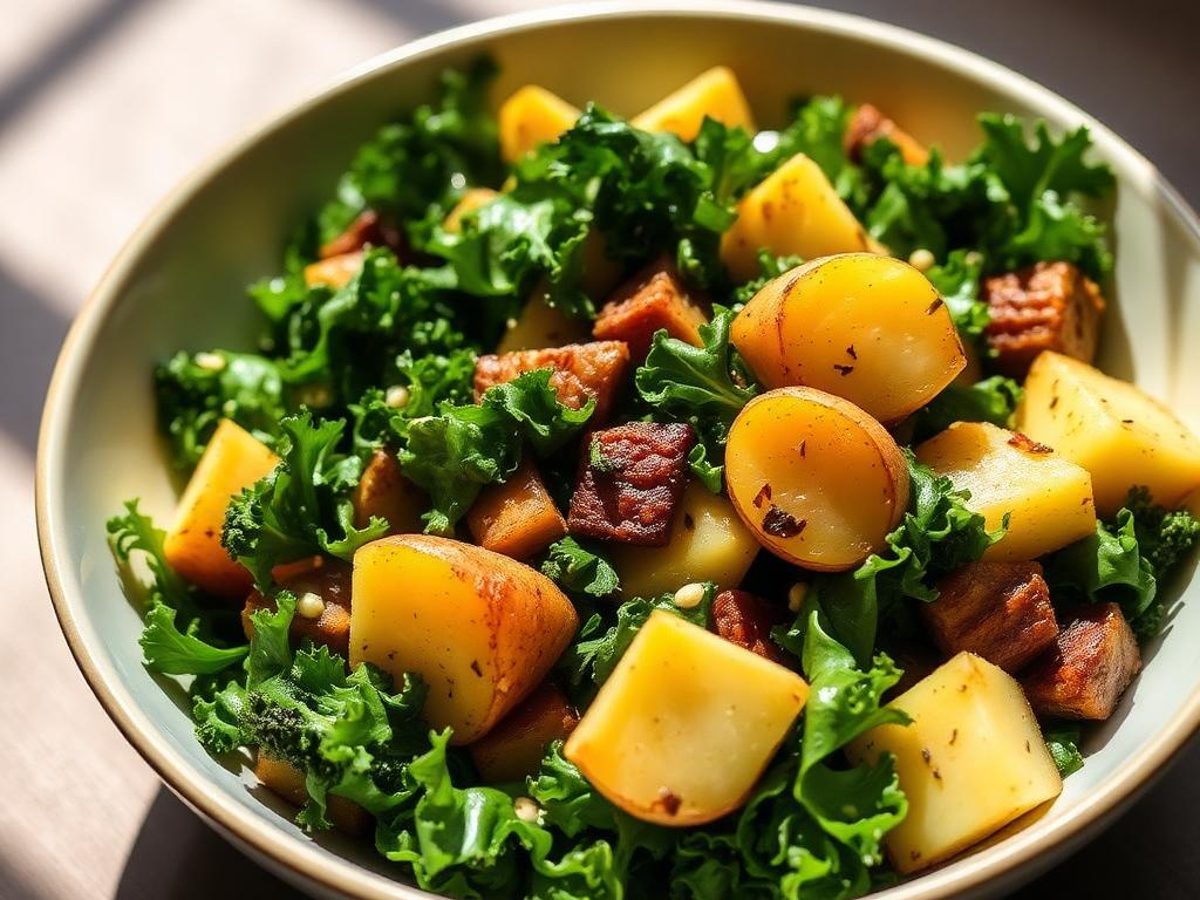
Roast 2 cups of cubed potato until golden, then toss while still warm through 2 cups of massaged kale with a wholegrain mustard vinaigrette. The residual heat wilts the kale just enough.
Tip: Massaging kale with a little olive oil and salt for 60 seconds transforms the texture from chewy to tender.
FODMAP note: Kale is low FODMAP at 1 cup and potato has no FODMAPs at all.
8. Shrimp & Rice Noodle Salad
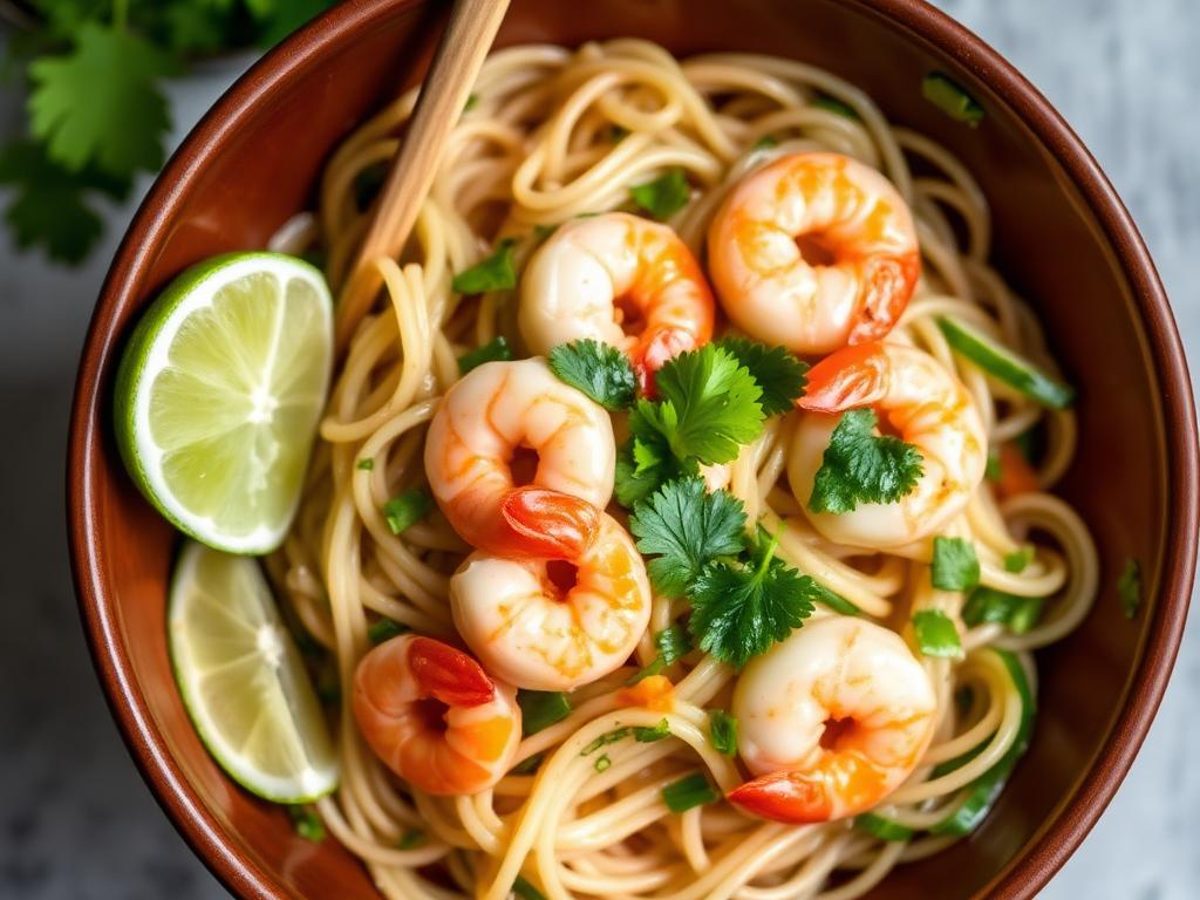
Cook 100g rice vermicelli, rinse under cold water, and toss with 8 cooked shrimp, 1/2 cup cucumber ribbons, lots of coriander and a dressing of lime juice, fish sauce, maple syrup and a little chilli.
Tip: This one tastes like a takeaway noodle salad but is completely gut-friendly because rice noodles contain no fructans or GOS.
FODMAP note: Fish sauce is low FODMAP; check for added garlic in cheaper brands.
9. Chopped Chicken & Egg Salad Plate
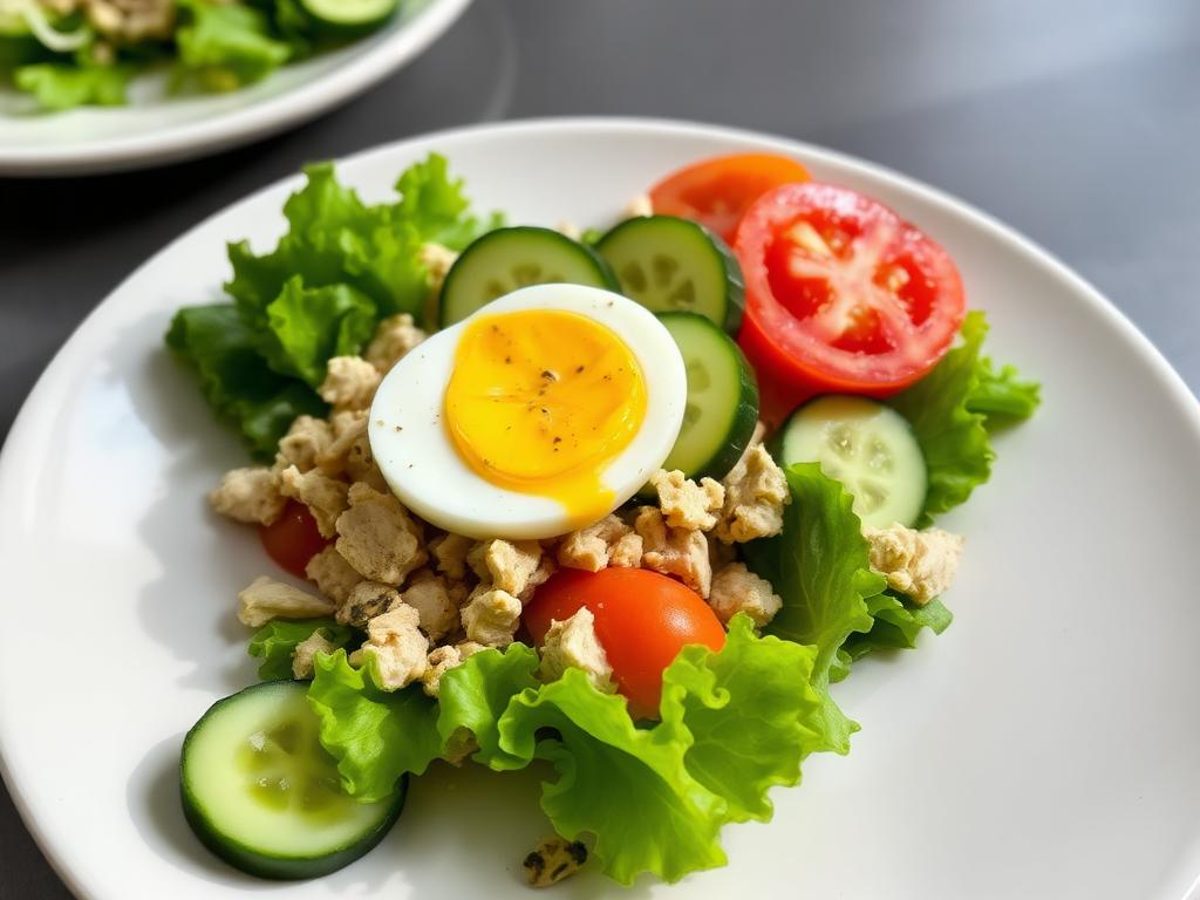
Layer torn butter lettuce with shredded cooked chicken, a halved boiled egg, sliced cucumber and tomato wedges. Dress with olive oil and lemon.
Tip: Eggs are FODMAP-free and one of the best protein sources during elimination. This plate is high in protein and very satisfying without any dressing complexity.
FODMAP note: Avoid bottled ranch or Caesar dressings — nearly all contain garlic and onion powder.
10. Classic Tomato & Mozzarella Caprese
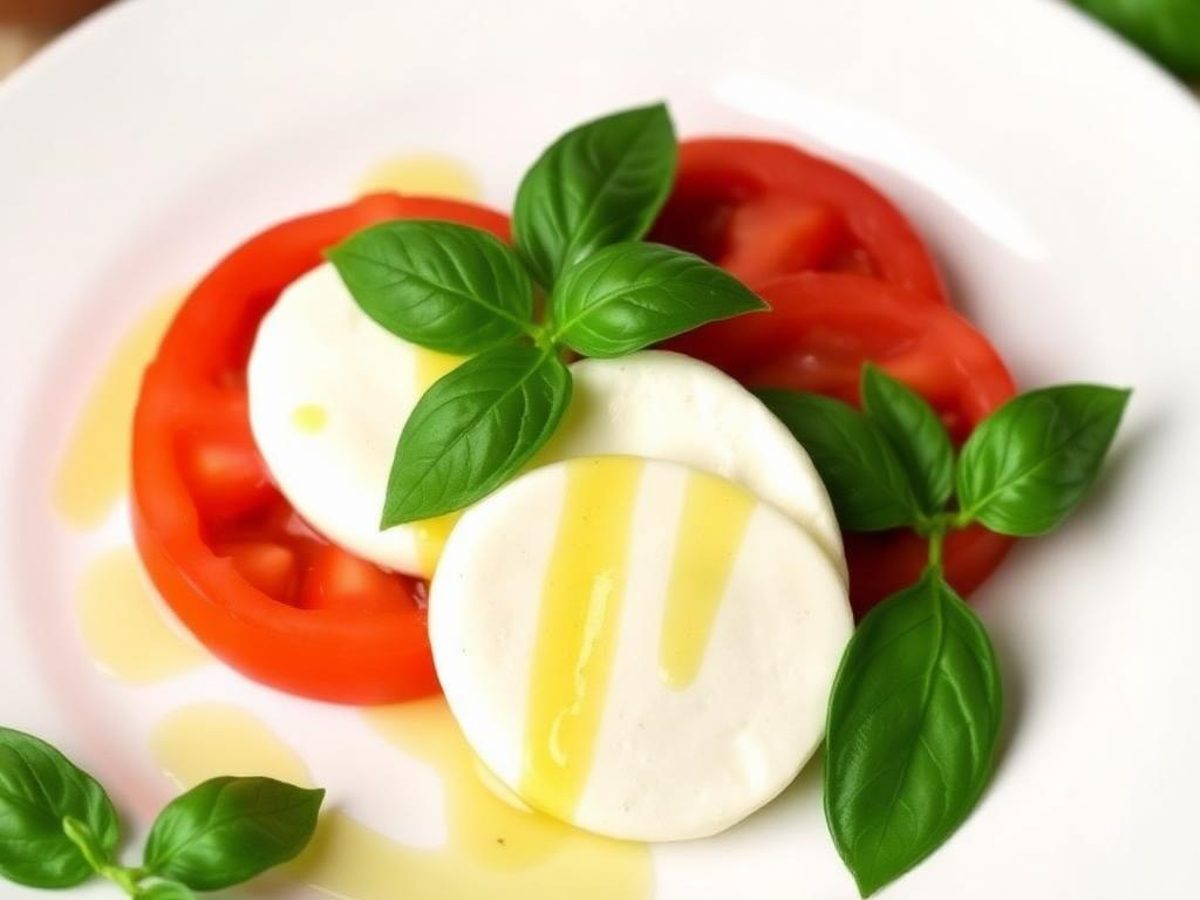
Three ingredients, zero effort. Alternate slices of tomato with 40g of fresh mozzarella, tuck basil leaves between them, and finish with olive oil, salt and cracked pepper.
Tip: Fresh mozzarella is low in lactose because most of it drains away with the whey during production.
FODMAP note: Balsamic vinegar is low FODMAP at 1 tablespoon — keep the drizzle light.
11. Warm Roasted Eggplant & Zucchini Salad
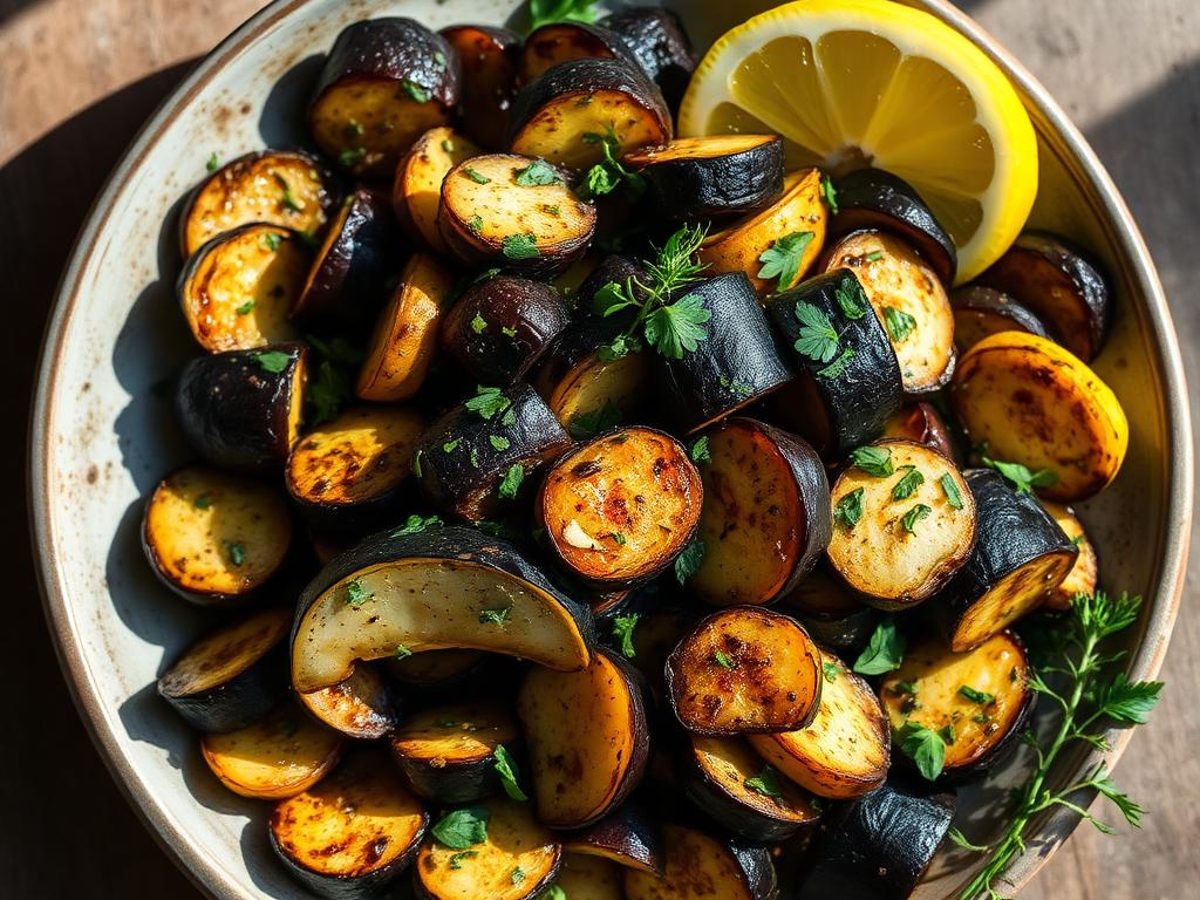
Roast 1 cup cubed eggplant and 1/2 cup sliced zucchini with olive oil and thyme for 30 minutes. Finish with lemon zest, parsley and a spoon of tahini loosened with water.
Tip: Roasting concentrates the sweetness so you need very little dressing. Serve warm alongside grilled fish or chicken.
FODMAP note: Zucchini is low FODMAP at 1/3 cup and eggplant at 1 cup — this recipe serves two.
12. Gluten-Free Pasta Salad
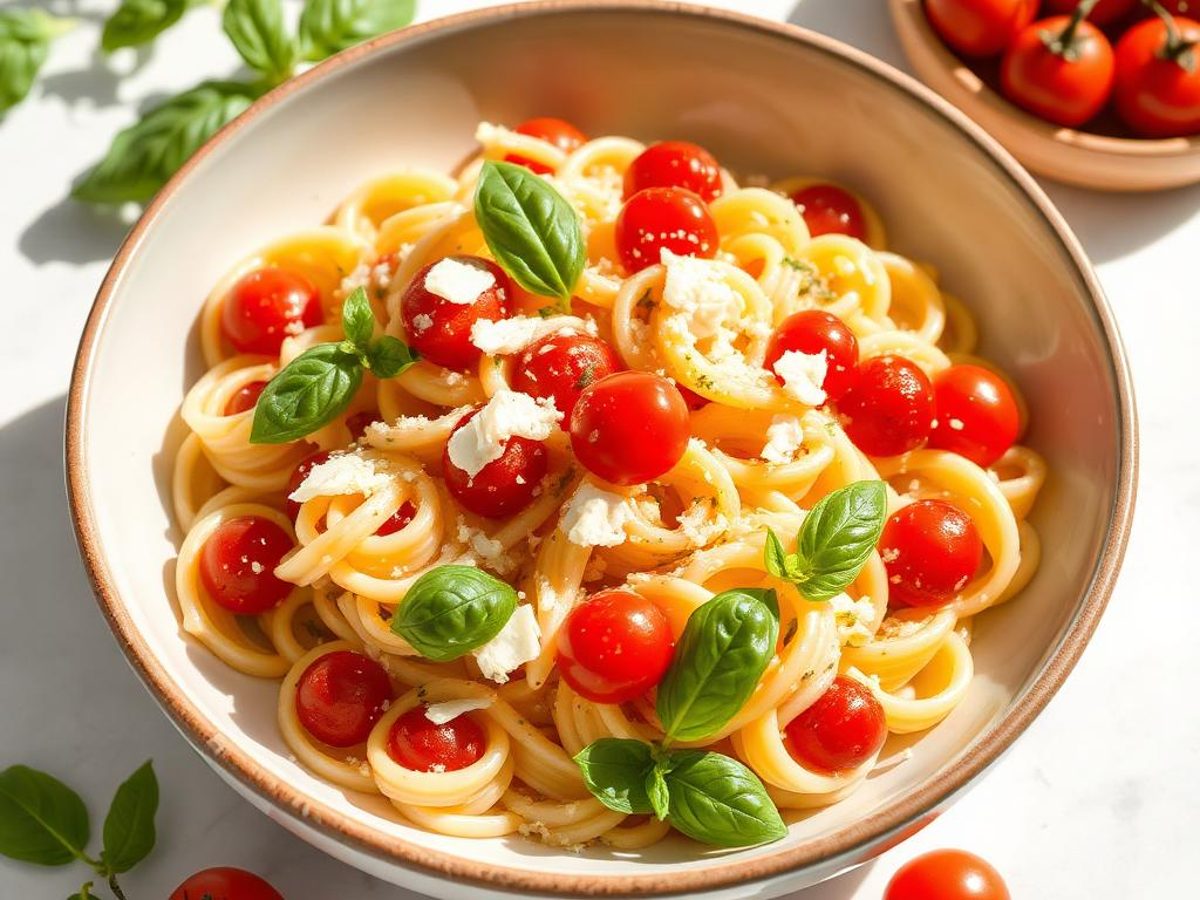
Cook 2 cups of gluten-free pasta, cool it, then fold in halved cherry tomatoes, torn basil, grated parmesan and garlic-infused olive oil.
Tip: Cooling pasta increases its resistant starch, which some people find gentler on the gut. Make it the night before for the best flavour.
FODMAP note: Choose a rice or corn based pasta; avoid legume pastas made from lentil or chickpea flour.
13. Crunchy Carrot & Cabbage Slaw
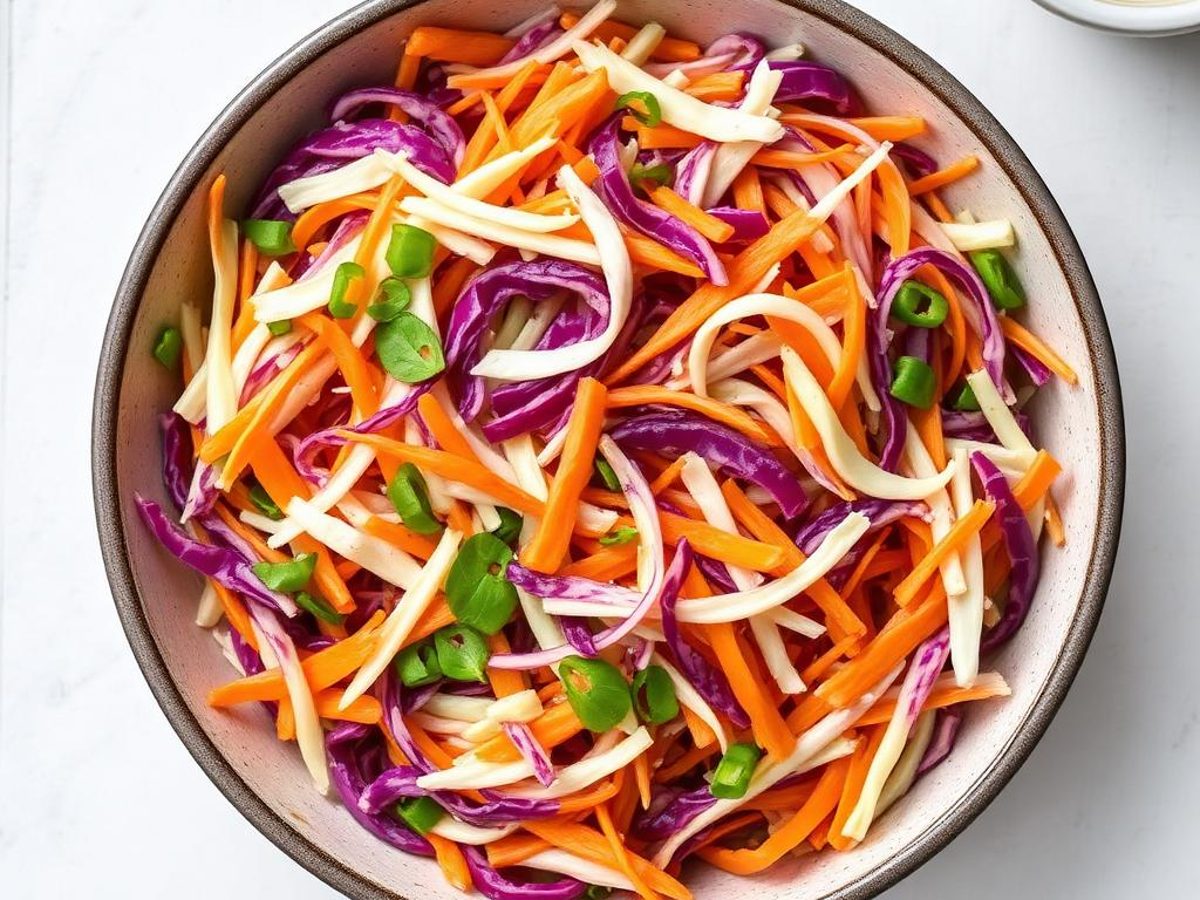
Shred 1 cup common cabbage and 1 cup carrot, add sliced spring onion greens, and dress with olive oil, apple cider vinegar, dijon mustard and a teaspoon of maple syrup.
Tip: This keeps for three days in the fridge and only gets better. Perfect for meal prep or a barbecue side.
FODMAP note: Common cabbage is low FODMAP at 3/4 cup; savoy cabbage is also fine at 1 cup.
14. Salmon & Quinoa Power Bowl
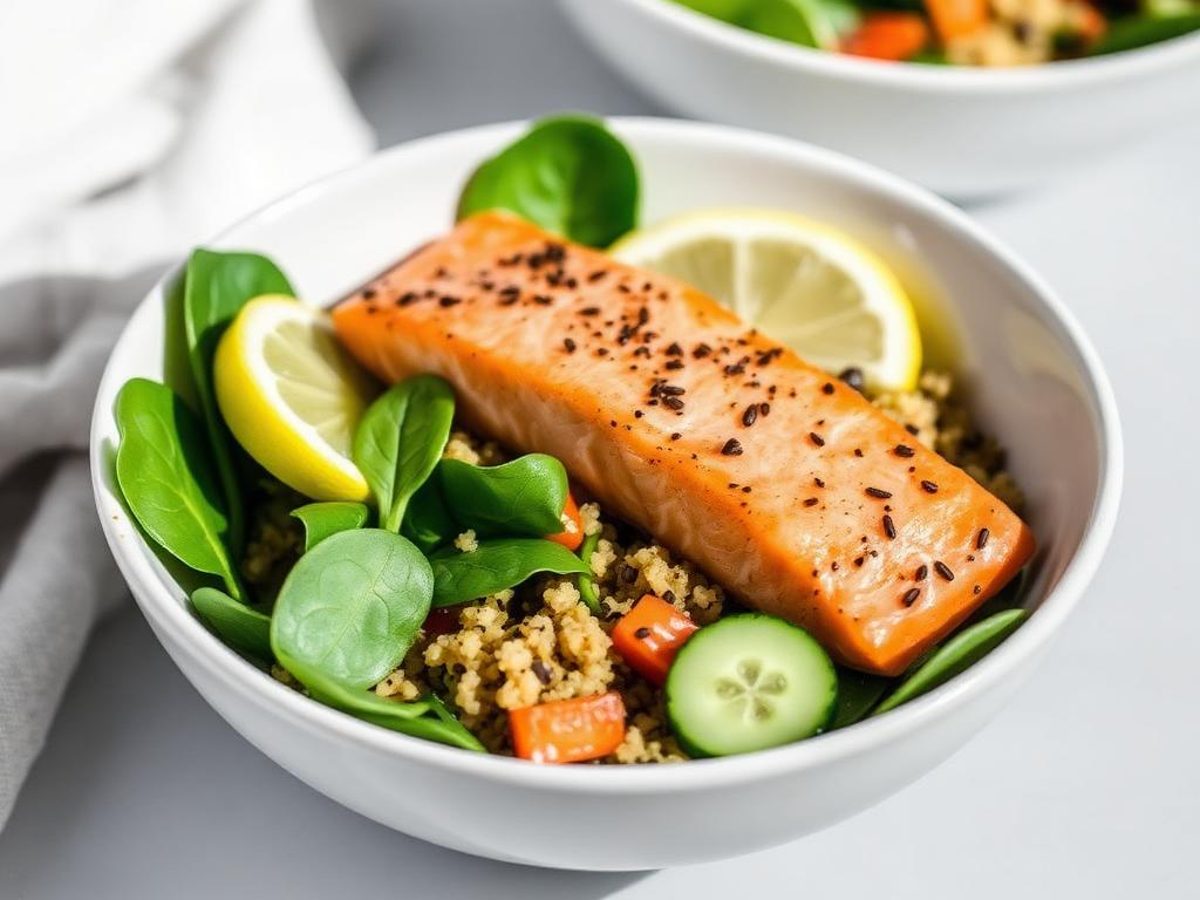
Flake a baked salmon fillet over 1 cup cooked quinoa and 1.5 cups baby spinach, add cucumber and a lemon-dill dressing.
Tip: Salmon brings anti-inflammatory omega-3s, which matters when you are managing gut symptoms long term.
FODMAP note: Season with salt, pepper, lemon and herbs only — commercial seasoning blends usually hide onion powder.
15. Berry & Mint Fruit Salad
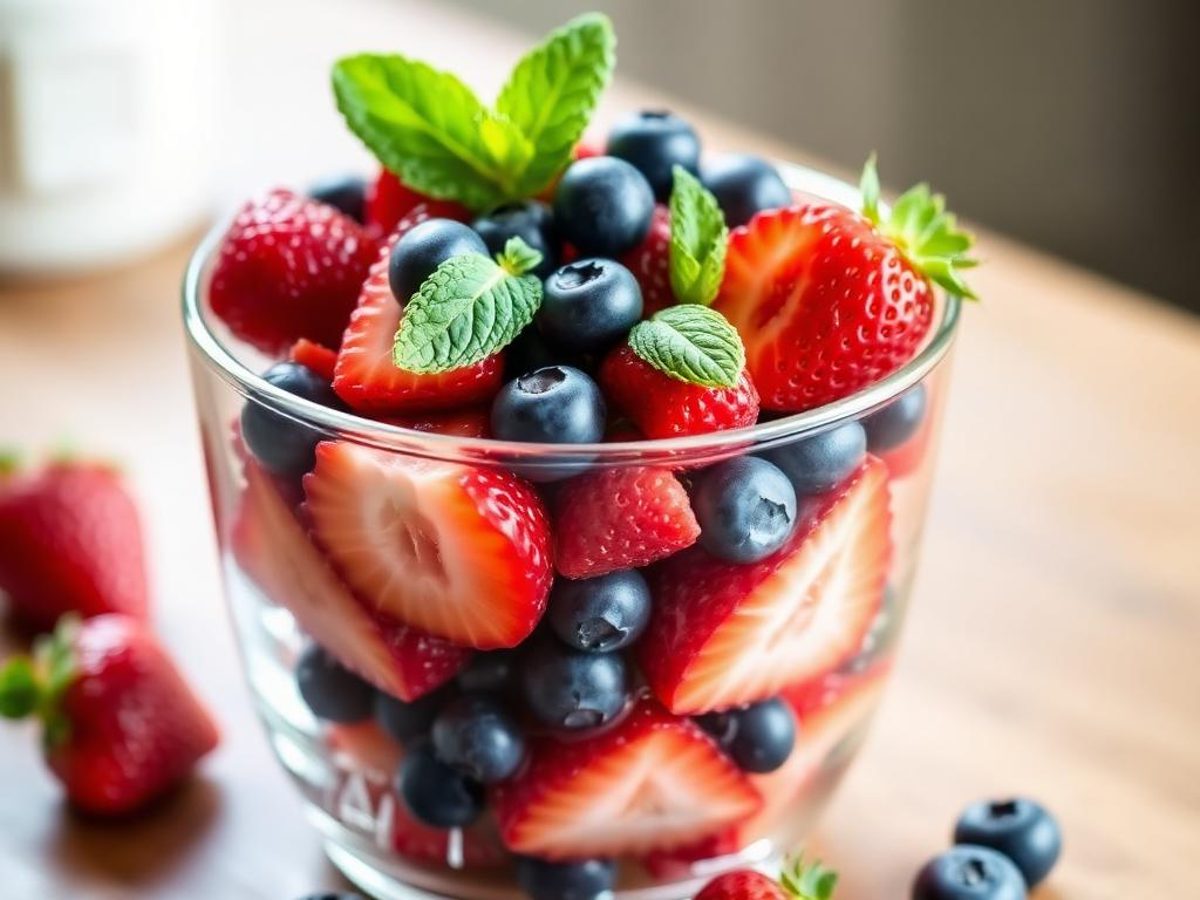
Combine 5 sliced strawberries, 20 blueberries and a handful of torn mint with a squeeze of lime. Serve with a spoon of lactose-free yoghurt if you like.
Tip: Fruit salad is where a lot of people accidentally trigger symptoms with apple, mango and watermelon. Berries and citrus are the safe zone.
FODMAP note: Stick to one fruit serve at a time and leave 2-3 hours between servings to avoid FODMAP stacking.
16. Sesame Tofu & Green Bean Salad
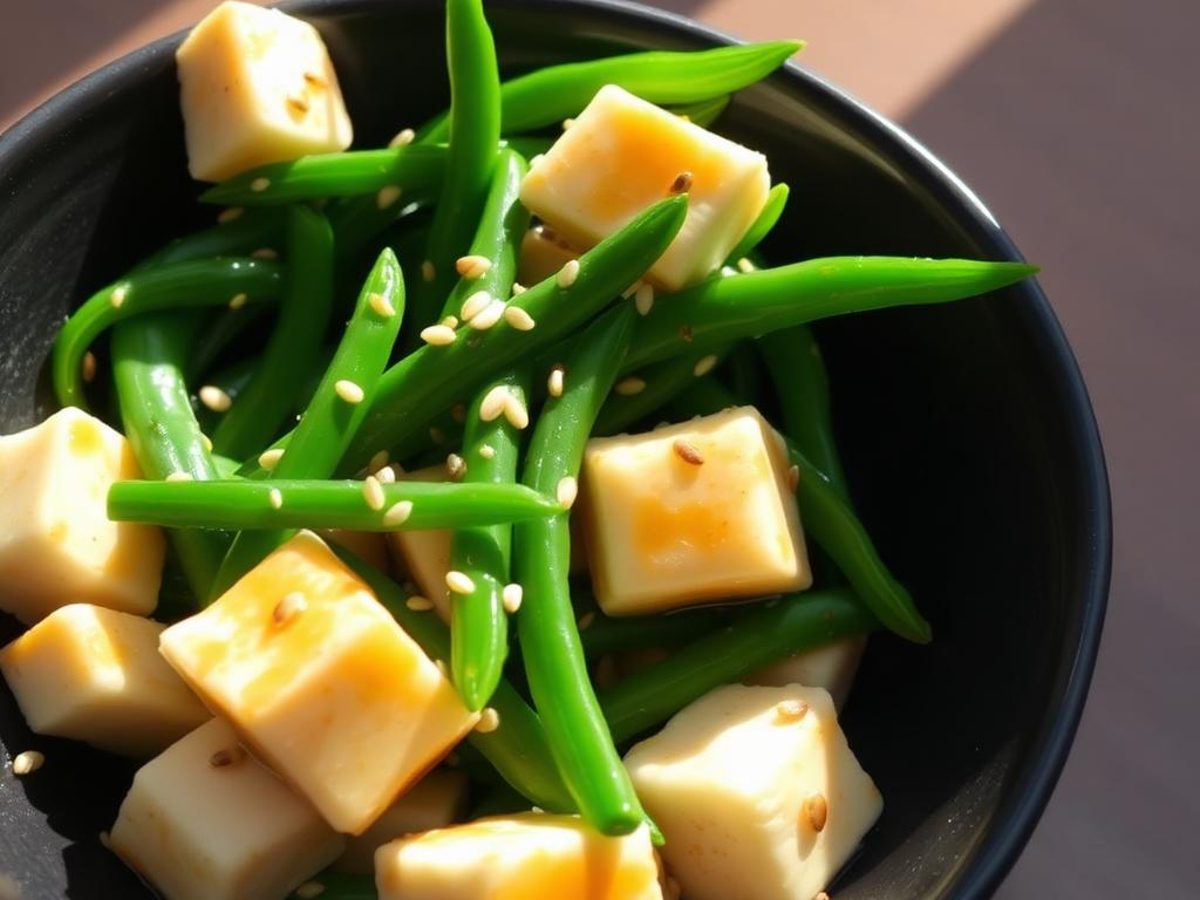
Pan-fry 150g of firm tofu until golden, blanch 15 green beans, and toss both with sesame seeds, a ginger-soy-maple dressing and spring onion greens.
Tip: Firm tofu is low FODMAP because the GOS in soybeans washes out with the whey during pressing — silken tofu is not.
FODMAP note: Use tamari if you need it gluten-free, and keep green beans to 15 beans per serve.
Helpful Tools & Resources
- FODMAP Food Checker — check any ingredient in seconds
- Recipe Converter — turn any salad recipe low FODMAP
- Ingredient Swap Finder — safe substitutes for onion, garlic and more
- Grocery List Builder — build a safe shopping list
- Symptom Tracker — spot your personal triggers
- Browse All Low FODMAP Recipes — hundreds of gut-friendly meals
- Low FODMAP Lunch Ideas and Dinner Recipes
- FODMAP Diet Guides — elimination, reintroduction and long-term eating
- IBS-Friendly Recipes — gentle meals for flare days
Common Mistakes to Avoid
- Using bottled dressing. Even 'healthy' vinaigrettes hide garlic powder. Always read the label.
- Adding chickpeas for protein. Canned, rinsed chickpeas are only low FODMAP at 1/4 cup — a normal salad scoop is well over the limit. Use chicken, egg, firm tofu or tinned fish instead.
- Loading up on avocado. Avocado is only low FODMAP at 1/8 of a fruit.
- Choosing the wrong fruit. Apple, pear, mango and watermelon are high FODMAP. Berries, citrus, grapes and kiwi are safe.
- Assuming 'salad' means unlimited. Portion sizes still apply to vegetables.
- Forgetting the nuts. Cashews and pistachios are high FODMAP; walnuts, pecans and macadamias are fine.
Frequently Asked Questions
Is lettuce low FODMAP?
Yes. Butter lettuce, iceberg, cos/romaine and rocket are all low FODMAP in generous serves, which makes lettuce the safest possible salad base.
Can I eat Caesar salad on a low FODMAP diet?
Not the standard version — Caesar dressing contains garlic, and croutons are usually wheat-based. Make your own dressing with garlic-infused oil, parmesan, lemon and egg yolk, and use gluten-free croutons.
What salad dressing is low FODMAP?
A simple vinaigrette of olive oil, red wine or balsamic vinegar (1 tablespoon), dijon mustard, salt and pepper. See our salad dressing recipes for five variations.
How do I add protein to a low FODMAP salad?
Plain chicken, turkey, beef, eggs, tinned tuna or salmon, firm tofu, tempeh, and 40g of hard cheese or feta are all safe. Avoid marinated meats, which usually contain garlic and onion.
Are croutons allowed?
Only gluten-free ones, and check that they are not seasoned with onion or garlic powder. Toasted gluten-free bread cubes with olive oil and herbs work perfectly.
Can I meal prep these salads?
Yes. Keep the dressing separate and add leafy greens last. Grain-based salads such as the quinoa, rice and pasta options keep well for three days.
Final Thoughts
Salads do not have to be the meal you dread on a low FODMAP diet. Once you replace onion with spring onion greens, garlic with garlic-infused oil, and bottled dressing with a two-minute vinaigrette, almost any salad becomes gut-friendly. Start with three or four of the recipes above, note how you feel in the Symptom Tracker, and build your own rotation from there.
Pin this list so you have 16 safe options ready whenever you need them, and browse the full recipe collection for more IBS-friendly meals.
Medical disclaimer: This article is for informational purposes only and is not medical advice. FODMAP tolerance varies from person to person. Always consult a doctor or registered dietitian before making significant changes to your diet, particularly if you have been diagnosed with IBS or another digestive condition.


