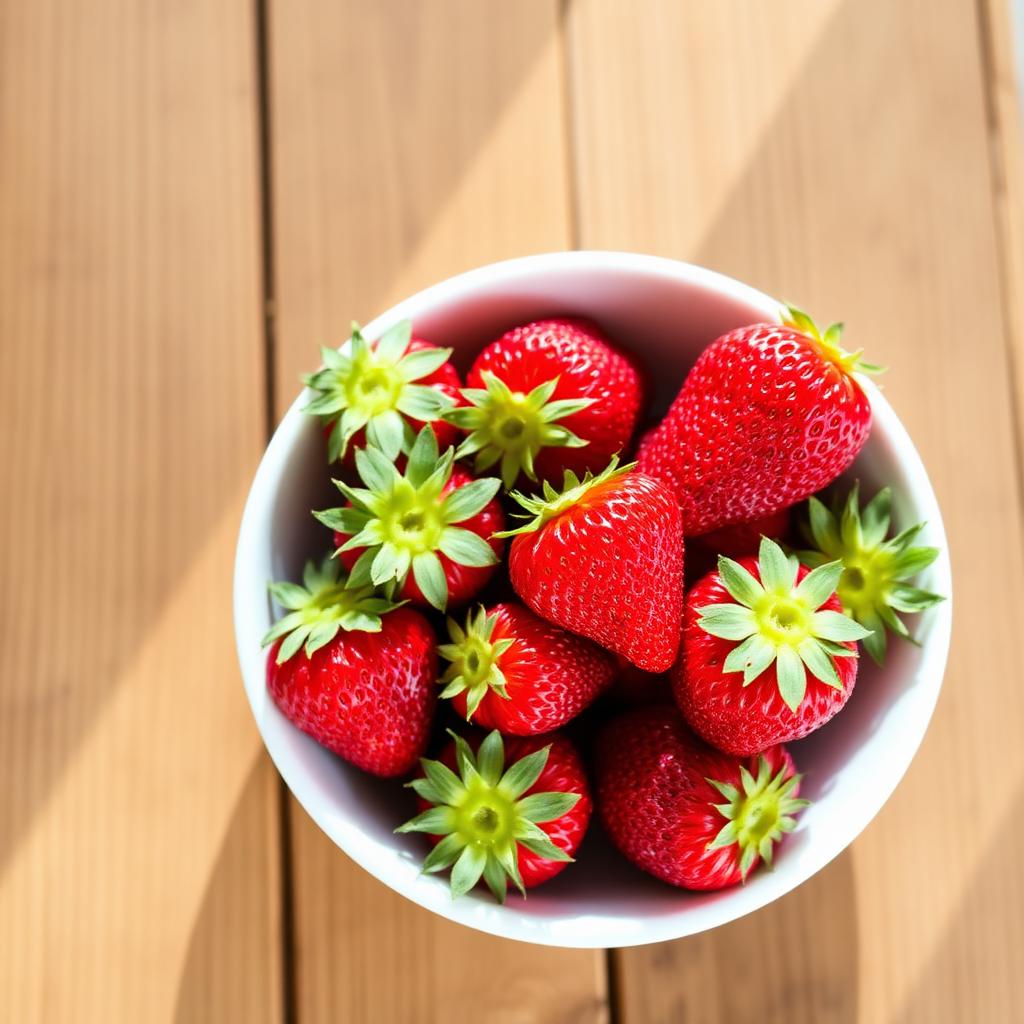
Short answer: Yes — strawberries are low FODMAP at a generous serving of 10 medium strawberries (150 g), per Monash University. They're one of the most gut-friendly fruits available.
Strawberry FODMAP Chart
Serving
FODMAP Status
Up to 10 medium (150 g)
✅ Low FODMAP
15+ strawberries
⚠️ Moderate fructose
Whole punnet (250 g+)
❌ High fructose stack
Why Strawberries Are Safe
Unlike apples, pears, or watermelon, strawberries contain very low levels of excess fructose and no polyols. That makes them a top-tier elimination-phase fruit (Monash data).
Fresh vs. Frozen vs. Dried
Fresh: 10 medium — safe.
Frozen: Same serving rules apply.
Dried strawberries: High FODMAP even in small amounts due to concentrated fructose.
Strawberry jam: Check label — most contain high-fructose corn syrup or honey.
Stacking Warning
Avoid pairing strawberries with other fructose fruits (mango, cherries) in the same meal. See our FODMAP Stacking Guide for details.
How to Eat Strawberries During the Low-FODMAP Diet
Strawberries are one of the more practical fruits for people following a low-FODMAP plan because they are easy to portion, easy to find, and simple to add to breakfast, snacks, and desserts. The key is keeping the serving consistent while you are learning your own tolerance. Do not combine large fruit servings from several categories in the same meal if you are still in the elimination phase.
IBS-Friendly Serving Ideas
Add sliced strawberries to lactose-free yogurt with a measured portion of oats.
Pair strawberries with rice cakes and peanut butter for a quick snack.
Use them as a topping for low-FODMAP pancakes or chia pudding.
Blend a small serving into a smoothie with lactose-free milk and spinach.
The fruit itself is usually not the issue; the problem is often what comes with it. Strawberry jam may contain high-fructose sweeteners, some smoothies stack multiple fruits, and desserts may include wheat flour or regular cream. Keep the strawberry serving simple first, then test recipes after symptoms are stable.
Wash berries well, store them dry, and use them within a few days for the best texture. Frozen strawberries can also work in cooked sauces or smoothies, but measure them before blending so portions stay consistent.
This content is informational and should be personalized with a dietitian if symptoms are severe or persistent.
Practical Low FODMAP Takeaways for Are Strawberries Low FODMAP? Safe Serving & IBS Tips
When using this guide, treat serving size as the most important detail. A food can be low FODMAP in one portion and become higher risk when the amount doubles or when it is combined with several similar ingredients in the same meal. For people with IBS, that cumulative effect is often the difference between a comfortable meal and symptoms later in the day.
A helpful approach is to pair this information with a simple food and symptom note. Write down what you ate, the portion, the time of day, stress level, and any symptoms over the next 24 hours. Patterns are usually more useful than one isolated reaction, especially because sleep, hormones, illness, caffeine, alcohol, and meal size can all affect digestion.
If you are in the elimination phase, keep meals simple and avoid testing several questionable foods at once. If you are in reintroduction, test one FODMAP group at a time with a structured serving ladder. That makes it easier to learn your personal tolerance instead of avoiding more foods than necessary.
Medical disclaimer: This article is for general education only and is not a substitute for medical care. If you have ongoing digestive symptoms, unexplained weight loss, bleeding, fever, anemia, or severe pain, speak with a qualified healthcare professional. For personalized low FODMAP guidance, work with a registered dietitian familiar with IBS and FODMAP reintroduction.
We use cookies for site functionality, analytics (Google Analytics) and advertising partners to personalize content and ads. Read our Cookie Policy and Privacy Policy.