
The Ultimate Low FODMAP Foods List for IBS Relief: The Clinical Guide | Low-FODMAP Recipe
If you have been struggling with the persistent bloating, unpredictable gas, and abdominal pain associated with Irritable Bowel Syndrome (IBS), you’ve likely heard about the "FODMAP" acronym. As a Monash University-trained Registered Dietitian, I have spent the last decade helping thousands of patients navigate the complexities of the elimination diet. The cornerstone of finding relief is having a reliable, medically-vetted low fodmap foods list to guide your grocery shopping and meal preparation.
In clinical practice, I see many patients who are overwhelmed by conflicting information online. My goal today is to provide you with an authority-level resource that simplifies the science into actionable steps. Using this low fodmap foods list correctly can lead to significant symptom improvement in up to 75% of people with IBS, according to research published in the Journal of Gastroenterology and Hepatology.
Key Takeaways
- Portion Size Matters: Many foods are low FODMAP only in specific quantities.
- The Goal is Reintroduction: This is not a forever diet; it is a tool to identify triggers.
- FODMAP Stacking: Combining multiple "yellow" light foods can trigger symptoms.
- Expert Guidance: Always work with a dietitian to ensure nutritional adequacy.
Understanding the FODMAP Acronym
FODMAPs are "Fermentable Oligosaccharides, Disaccharides, Monosaccharides, and Polyols." These are short-chain carbohydrates that the small intestine absorbs poorly. For those with a sensitive gut, these sugars travel to the large intestine where they are fermented by bacteria, causing gas and drawing water into the bowel (osmosis).
By utilizing a low fodmap foods list, we aim to reduce the "osmotic load" on your gut. This isn't about eating "healthy" in the traditional sense—many high-FODMAP foods like apples and garlic are incredibly healthy for the general population—but about choosing gut-friendly foods that won't ferment rapidly in your digestive tract.
Comprehensive Low FODMAP Foods List by Category
When you begin your journey toward digestive health, your pantry serves as your first line of defense. Below is a categorized breakdown of safe foods for IBS based on current Monash University data.
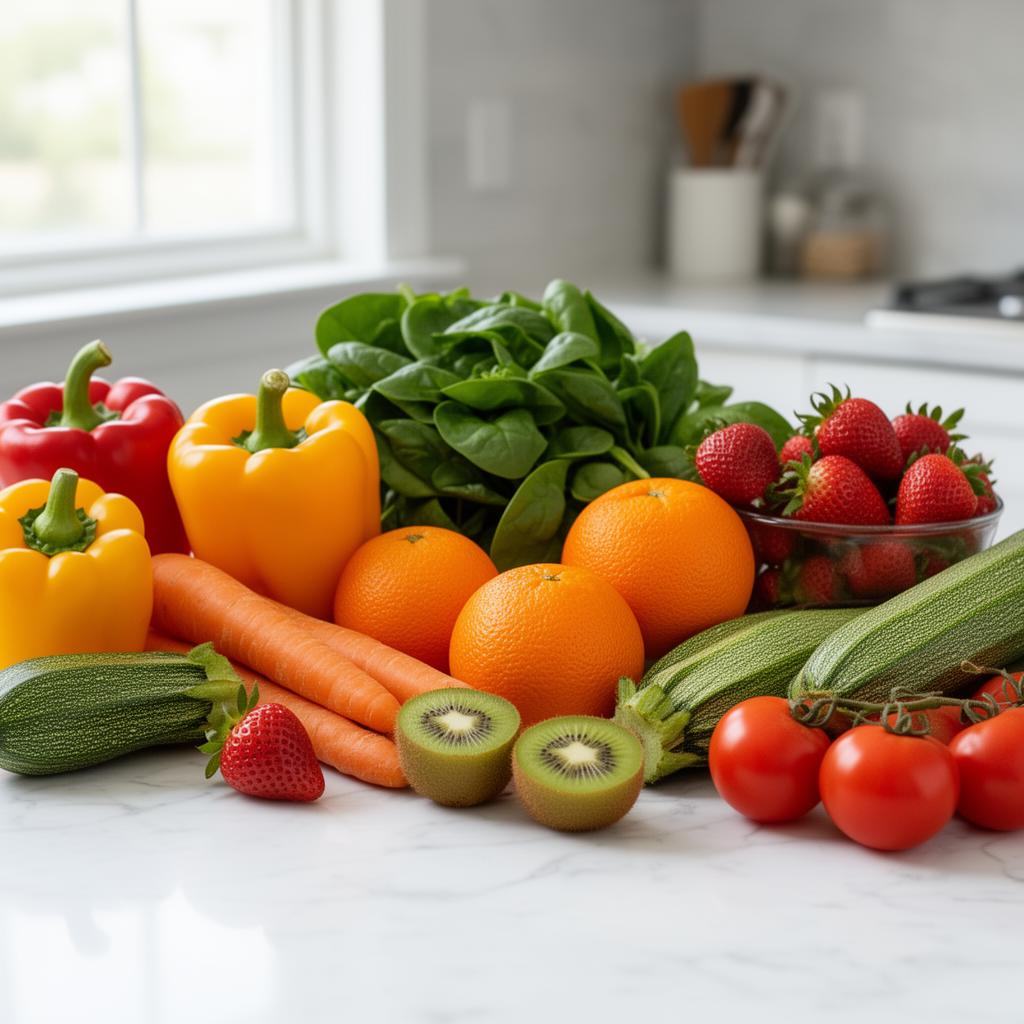
1. Low FODMAP Vegetables
Many people assume all vegetables are safe, but common staples like onions and garlic are the highest sources of fructans. When searching for what vegetables are low fodmap, focus on these:
- Arugula/Rocket: Unlimited.
- Bamboo Shoots: Unlimited.
- Bell Peppers (Red): Safe at 75g (green peppers have higher levels of sorbitol).
- Bok Choy: Safe at 75g.
- Carrots: Unlimited.
- Cucumber: Unlimited.
- Eggplant: Safe at 75g.
- Kale: Safe at 75g.
- Potatoes: (Common, Red, Sweet) – White/Red are unlimited; Sweet is safe at 75g.
- Spinach (English): Unlimited.
- Zucchini: Safe at 65g.
Clinical Tip: Use my Portion Calculator to ensure your vegetable stir-fry doesn't accidentally cross into high-FODMAP territory through "stacking."
2. Low FODMAP Fruits
Fruit contains fructose (a monosaccharide). To keep your ibs diet on track, stick to fruits with an equal ratio of glucose to fructose.
- Bananas: Safe when firm/unripe (approx. 100g). Avoid overripe bananas as they increase in fructans.
- Blueberries: Safe at 40g (about a handful).
- Cantaloupe/Rockmelon: Safe at 120g.
- Grapes: Safe at 32g.
- Kiwi Fruit: Safe at 2 units (peeled).
- Oranges: Safe at 1 medium unit.
- Strawberries: Safe at 65g (approx. 5 medium).
- Raspberries: Safe at 60g.
3. Proteins and Meats
Most animal proteins are naturally FODMAP-free because they contain no carbohydrates. However, the danger lies in seasonings and marinades.
- Beef, Lamb, Pork, Poultry: Safe if plain. Always check Symptom Tracker notes if you react to processed meats.
- Eggs: Naturally low-FODMAP.
- Firm Tofu: Safe (ensure it is drained and pressed to remove the GOS-containing liquid).
- Tempeh: Safe at 100g.
- Fresh Seafood: Fish, shrimp, and crab are excellent fodmap friendly options.
4. Grains and Starches
Is rice low fodmap? Yes, it is one of the safest staples in the low fodmap foods list.
- Rice: White, brown, basmati, and jasmine are all safe.
- Quinoa: Safe at 155g (cooked).
- Oats: Safe at 1/2 cup (52g) raw.
- Sourdough Bread: Traditional spelt or wheat sourdough is often tolerated because the fermentation process "eats" the fructans.
- Gluten-Free Pasta: Most are safe, but check for pea protein or chicory root additives.
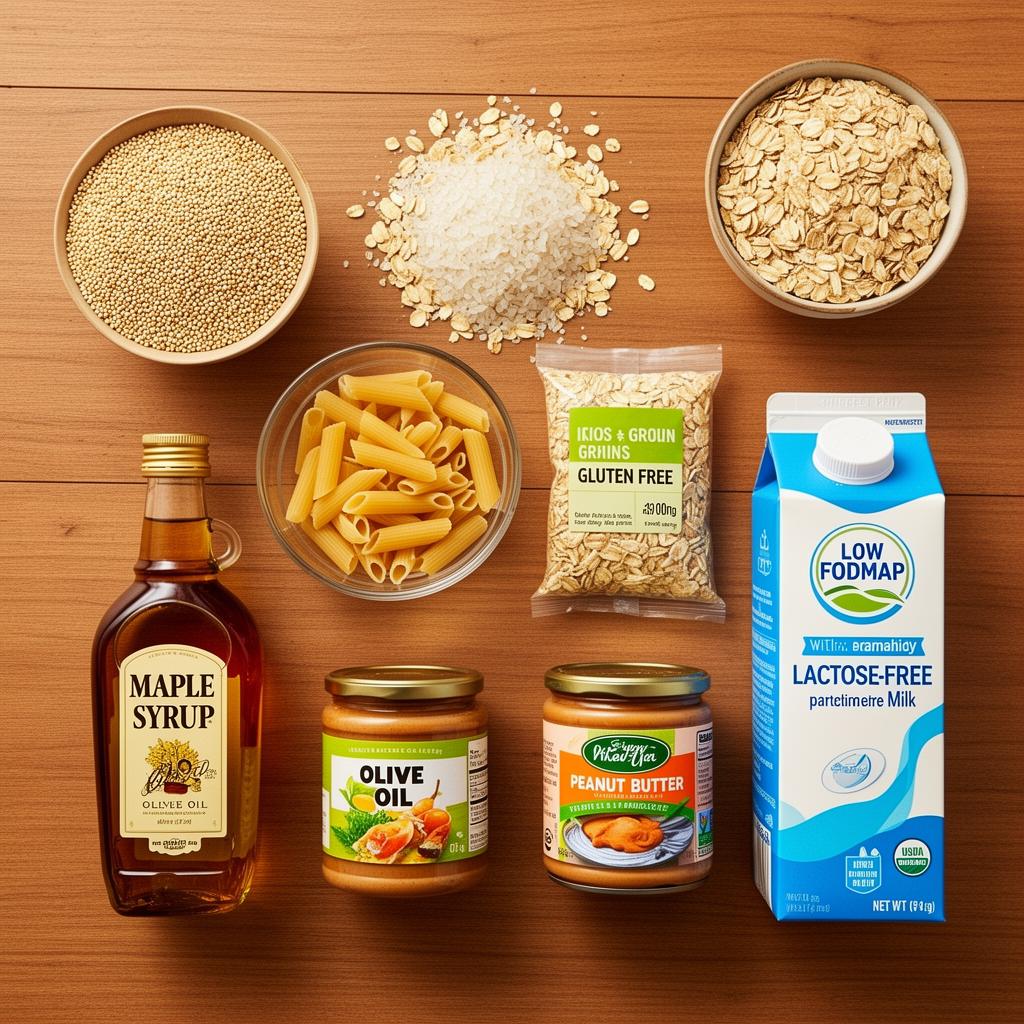
5. Dairy and Replacements
The primary concern in dairy is lactose. Many people with IBS find relief by switching to lactose-free options or specific plant-based milks.
- Lactose-free Milk/Yogurt: These are excellent gut-friendly foods.
- Hard Cheeses: Cheddar, Parmesan, Swiss, and Brie are naturally low in lactose.
- Almond Milk: Safe at 250ml.
- Macadamia Milk: Highly recommended for its creamy texture and low-FODMAP status.
The Hidden Danger: Portion Size and FODMAP Stacking
In my clinical experience at the Monash training sessions, the most common mistake patients make is ignoring portion sizes. The low fodmap foods list is not a "yes or no" list; it is a "how much" list.
For example, a small serving of almonds (10 nuts) is low FODMAP. However, if you eat 20 nuts, the GOS level becomes high. Furthermore, if you consume 10 almonds, a serving of blueberries, and a serving of sweet potato in one sitting, you might experience FODMAP stacking. This occurs when multiple foods with small amounts of the same FODMAP group (e.g., Oligosaccharides) add up to a high total load that triggers the gut.
I highly recommend using our FODMAP Stacking Guide to learn how to space out these "threshold" foods throughout the day. You can also use the Portion Calculator to stay within the green zone.
Common Mistakes Beginners Make
When starting an elimination diet, it is easy to get tripped up by industry labeling. Here are the top three mistakes I see in my private practice:
- Buying "Gluten-Free" Thinking it is "Low FODMAP": Gluten is a protein; FODMAPs are carbohydrates. While gluten-free products often lack wheat fructans, they may contain high-FODMAP ingredients like honey, agave, or inulin (chicory root).
- Relying on Processed "IBS-Friendly" Snacks: Many "gut-healing" bars use prebiotic fibers like inulin which are "MAPs" in the FODMAP acronym. Always use the FODMAP Food Checker before trying a new packaged product.
- Staying in the Elimination Phase Too Long: I’ve seen patients stay on a restricted low fodmap foods list for years. This can harm your microbiome diversity. You must transition to the reintroduction phase after 2–6 weeks.
Meal Planning with the Low FODMAP Foods List
Effective low fodmap meal prep is the secret to long-term success. If you are unprepared, you are more likely to grab a high-FODMAP snack when hunger strikes.
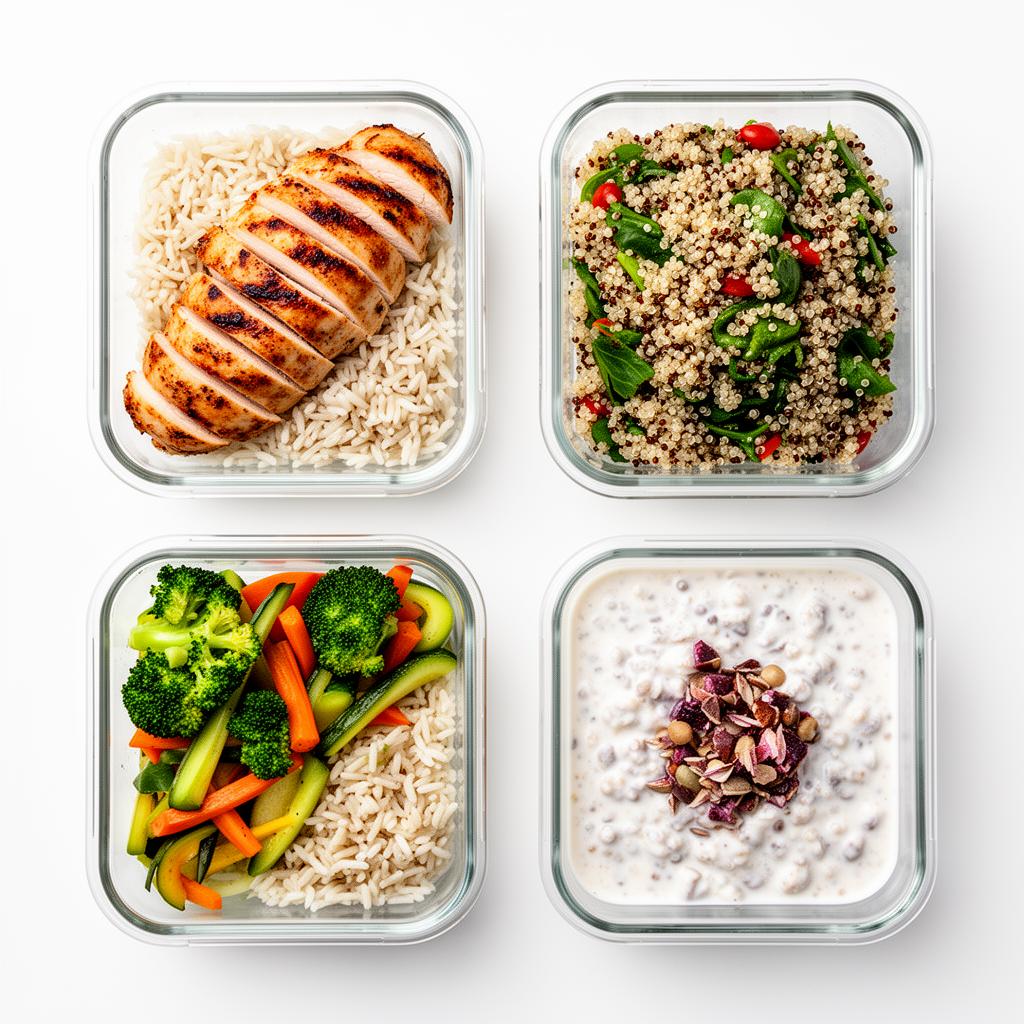
How to Build a Balanced Plate:
- 1/4 Plate Protein: Grilled chicken, salmon, or firm tofu.
- 1/4 Plate Carb: White rice or a slice of sourdough.
- 1/2 Plate Low FODMAP Vegetables: Steamed bok choy or roasted carrots.
- Healthy Fats: Olive oil or 1/8 of an avocado.
For inspiration, browse our Dinner Recipes or use the Grocery List Builder to ensure you have the right ingredients on hand. If you have any favorite family recipes, you can use our Recipe Converter to swap out onions for chive-infused oil or garlic for Garlic-Infused Olive Oil (which is FODMAP-safe!).
Frequently Asked Questions (FAQ)
What foods are low fodmap for beginners?
For beginners, I recommend sticking to the "safe bets": chicken, eggs, white rice, carrots, potatoes, oranges, and lactose-free dairy. These are simple to find and generally have no portion limits. Our Low FODMAP Foods for Beginners Guide provides a 7-day starter plan.
Is rice low fodmap?
Yes, rice is considered a staple in the low fodmap foods list. Whether you prefer white, brown, basmati, or red rice, it is naturally low in FODMAPs. Be careful with "seasoned rice" packets which often contain onion or garlic powder; use our Ingredient Swap Finder for safer alternatives.
Are bananas low fodmap?
This is a nuanced answer. A firm, slightly green banana is low FODMAP (approx. 100g). However, as a banana ripens and develops brown spots, the fructan levels increase, making it high FODMAP. If you love smoothies, stick to the firm ones or check our Breakfast Recipes for safe smoothie bowls.
What vegetables are low fodmap?
Commonly used low fodmap vegetables include carrots, cucumbers, bok choy, green beans (up to 75g), and ginger. For a full list including seasonal variations, download our Grocery List Builder.
Does the low FODMAP diet cure IBS?
The diet is a management tool, not a "cure." It helps identify which carbohydrates your body cannot process effectively. By following the monash university fodmap protocol, you can live a virtually symptom-free life. For additional support when eating out, use our Restaurant Order Helper.
Clinical Perspectives: Moving Beyond the List
According to the National Institute of Diabetes and Digestive and Kidney Diseases (NIDDK), IBS affects up to 12% of the U.S. population. In my years as a dietitian, I’ve learned that the low fodmap foods list is just the beginning.
True healing involves looking at the gut-brain axis. Stress, sleep, and physical activity all play a role in how your gut processes these triggers. While you focus on the fodmap diet, don’t forget to track your stress levels alongside your food intake using our Symptom Tracker.
If you find that even with a strict adherence to the low fodmap foods list you are still having symptoms, you may need to look at "FODMAP Score" totals using our FODMAP Score Estimator or investigate other triggers like caffeine or high-fat meals.
Expert Conclusion
Navigating the low fodmap foods list can feel like learning a new language, but with the right tools, it becomes second nature. Focus on what you can eat—vibrant vegetables, lean proteins, and healing grains—rather than focusing on the restrictions.
Remember, the goal of the elimination diet is temporary. We are giving your gut a "calm down" period so you can eventually reintroduce foods and enjoy a diverse, nutrient-dense diet. For more specialized meal ideas, explore our IBS-Friendly Recipes or grab some quick Snack Recipes for on-the-go relief.
For more information and the most up-to-date testing results, always refer to the Monash University FODMAP app.
Medical Disclaimer: The information provided in this article is for educational purposes only and is not intended as a substitute for professional medical advice, diagnosis, or treatment. Always seek the advice of your physician or a qualified dietitian like Sarah Mitchell, RDN, with any questions you may have regarding Irritable Bowel Syndrome or the low FODMAP diet. Never disregard professional medical advice or delay in seeking it because of something you have read on this website.