
Low FODMAP Meal Prep: The Ultimate Weekly Guide for IBS Relief
Managing Irritable Bowel Syndrome (IBS) through diet doesn't have to be overwhelming. Low FODMAP meal prep is the single most effective strategy for staying consistent with the low FODMAP diet while saving time, reducing stress, and avoiding trigger foods. In this comprehensive guide, we'll walk you through everything you need to know about meal prepping for a low FODMAP lifestyle.
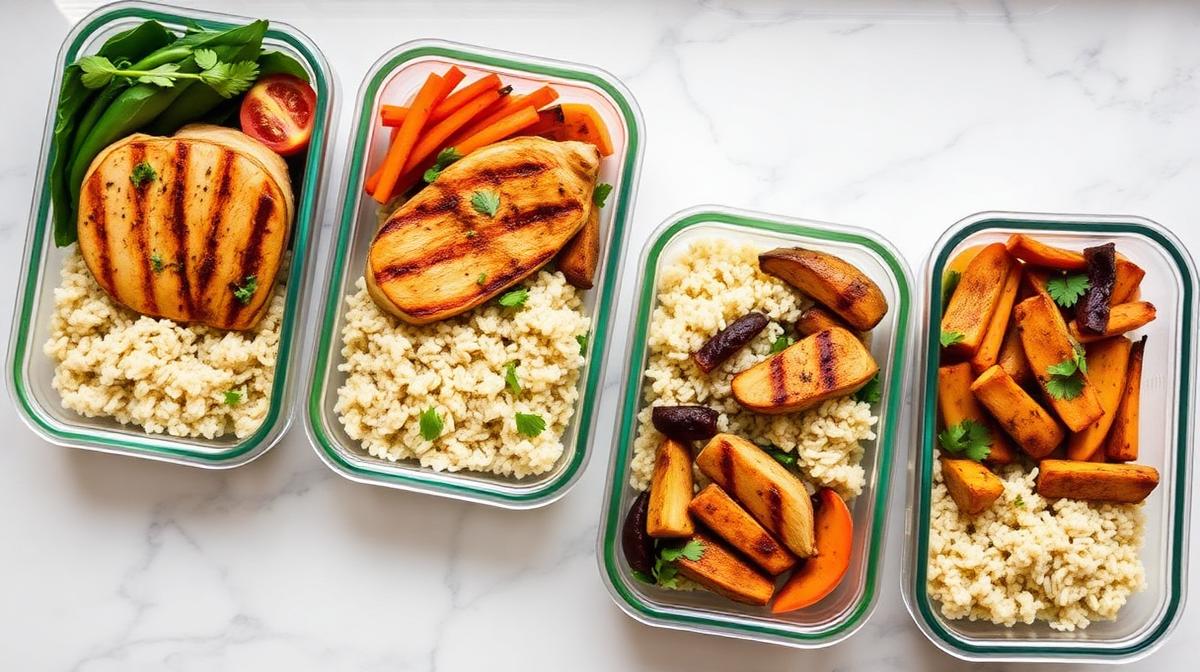
Why Low FODMAP Meal Prep Matters for IBS Management
If you're following the low FODMAP diet to manage IBS symptoms, meal prepping is non-negotiable. Without a plan, it's far too easy to reach for convenience foods loaded with garlic, onion, wheat, and other high-FODMAP ingredients.
According to Monash University, the pioneers of FODMAP research, up to 75% of IBS patients experience significant symptom improvement on a well-executed low FODMAP diet. Meal prep makes that execution consistent.
Key Benefits of Low FODMAP Meal Prep
- Eliminates guesswork — every ingredient is pre-checked and portioned
- Saves 5+ hours per week on cooking and decision-making
- Reduces accidental FODMAP exposure from last-minute food choices
- Supports all three FODMAP diet phases — elimination, reintroduction, and personalization
- Saves money by reducing food waste and takeout orders
💡 Pro Tip: Use our Food Checker tool to instantly verify whether any ingredient is low FODMAP before adding it to your prep list.
Essential Low FODMAP Meal Prep Ingredients
Before you start prepping, stock your kitchen with these FODMAP-safe staples. Having the right ingredients on hand eliminates the biggest barrier to consistent meal prep.
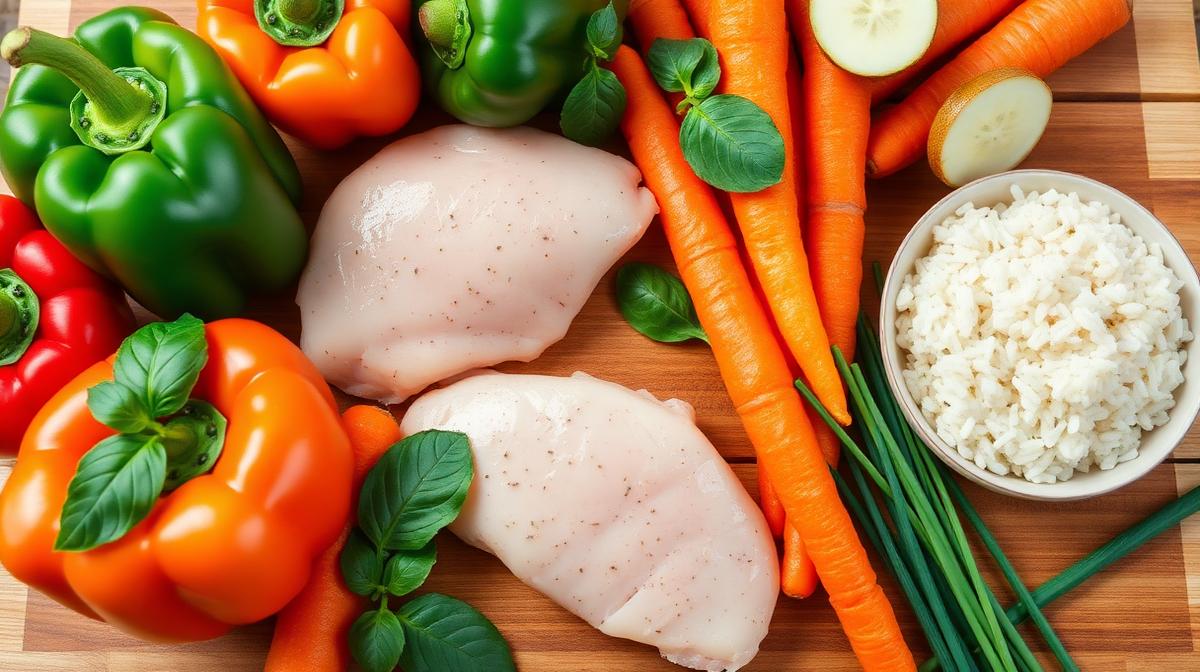
Proteins (All Low FODMAP)
| Protein | Serving Size | Prep Method |
|---|---|---|
| Chicken breast | 150g | Grilled, baked, or poached |
| Salmon fillet | 125g | Pan-seared or oven-baked |
| Firm tofu | 170g | Pressed and stir-fried |
| Eggs | 2 large | Hard-boiled or scrambled |
| Turkey mince | 150g | Browned with herbs |
Low FODMAP Vegetables
- Green: Zucchini, spinach (baby), green beans, bok choy, kale
- Orange/Red: Carrots, bell peppers (capsicum), tomatoes (canned, ½ cup)
- Other: Eggplant, potato, cucumber, lettuce, bean sprouts
Safe Grains and Starches
- White or brown rice
- Quinoa
- Gluten-free oats
- Gluten-free pasta
- Potatoes and sweet potatoes (½ cup)
⚠️ Important: Portion sizes matter on the low FODMAP diet. Even "safe" foods can become high FODMAP in large quantities. Check our FODMAP Score Estimator to understand serving thresholds.
Step-by-Step Low FODMAP Meal Prep Guide
Follow this proven weekly workflow to batch-prepare 4–5 days of gut-friendly meals in under 2 hours.
Step 1: Plan Your Weekly Menu
Start by selecting 3–4 core recipes for the week. We recommend:
- 2 protein-based mains (e.g., herb-crusted chicken, creamy pasta primavera)
- 1 batch soup or stew (e.g., low FODMAP chili)
- 2 simple sides (roasted vegetables, steamed rice)
Need recipe ideas? Our Recipe Converter can transform any family favorite into a low FODMAP version instantly.
Step 2: Build Your Grocery List
Once your menu is set, compile your shopping list organized by store section:
- Produce section — bell peppers, zucchini, carrots, spinach, potatoes
- Protein section — chicken breast, salmon, eggs, firm tofu
- Pantry section — rice, gluten-free pasta, garlic-infused oil, canned tomatoes
- Dairy alternative — lactose-free milk, hard cheeses (Parmesan, cheddar)
Use our Grocery List Builder to auto-generate a shopping list from your selected recipes.
Step 3: Batch Cook Strategically
Here's the optimal cooking order to maximize efficiency:
Cooking Timeline (2 Hours)
- 0:00 — Preheat oven to 200°C (400°F). Start rice in rice cooker.
- 0:05 — Season chicken breasts with garlic-infused olive oil, salt, paprika, and dried herbs. Place on baking tray.
- 0:10 — Chop all vegetables. Toss root vegetables (carrots, potatoes) with oil and spread on second baking tray.
- 0:15 — Both trays go in the oven. Set timer for 25 minutes.
- 0:20 — Boil gluten-free pasta. Prep sauce ingredients.
- 0:40 — Remove chicken and vegetables from oven. Rest chicken 10 minutes.
- 0:50 — Slice chicken. Portion rice, vegetables, and protein into containers.
- 1:00 — Start second batch (stir-fry, soup, or different protein).
- 1:30 — Cool all containers. Label with contents and date.
- 2:00 — Store in fridge (3–4 days) or freezer (up to 3 months).
Quick Reheating Tips
- Microwave containers at 70% power for 2–3 minutes
- Add a splash of water to rice before reheating to prevent drying
- Reheat soups on the stovetop for best texture
Low FODMAP Meal Prep Storage Guide
Proper storage is critical for food safety and maintaining flavor throughout the week.
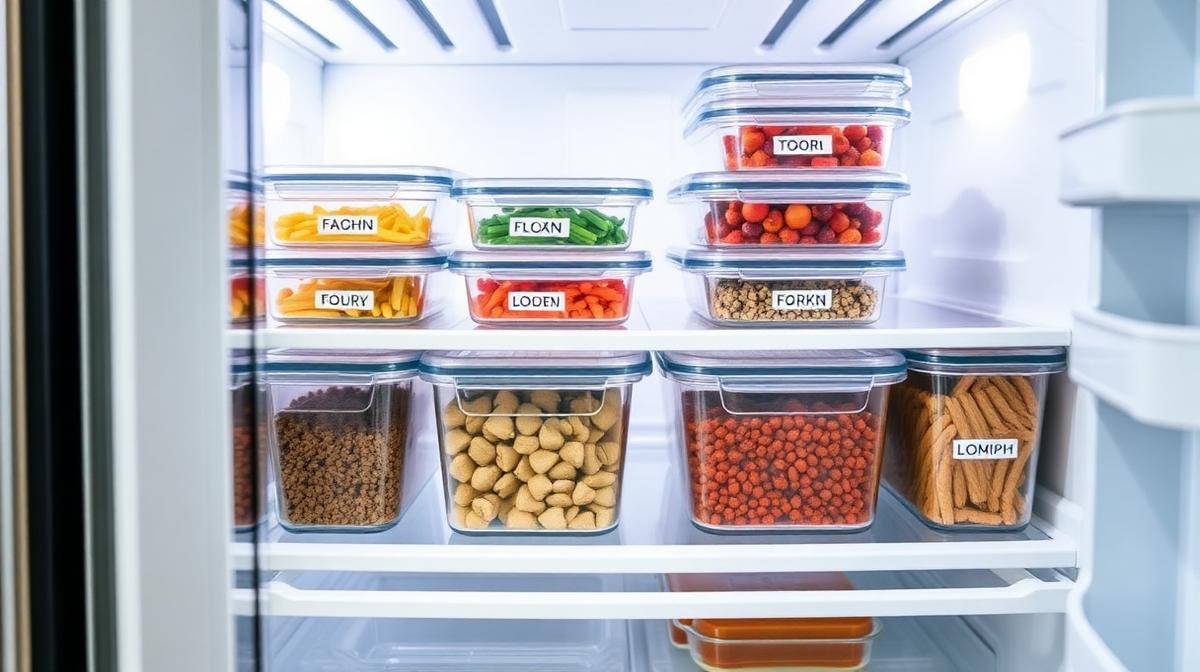
Refrigerator Storage (3–4 Days)
- Use airtight glass containers — they don't absorb odors and are microwave-safe
- Store proteins and grains separately from sauces when possible
- Keep raw and cooked foods on separate shelves
- Label every container with the meal name and prep date
Freezer Storage (Up to 3 Months)
- Best for freezing: Soups, stews, cooked grains, marinated proteins
- Avoid freezing: Salads, raw vegetables, eggs (unless scrambled)
- Use freezer-safe containers with at least 1cm headspace for expansion
- Thaw overnight in the refrigerator — never at room temperature
Sample 5-Day Low FODMAP Meal Prep Menu
Here's a complete weekly plan that balances nutrition, variety, and ease of preparation:
| Day | Breakfast | Lunch | Dinner | Snack |
|---|---|---|---|---|
| Monday | GF oatmeal + blueberries | Grilled chicken + rice + roasted carrots | Pasta primavera | Rice cakes + peanut butter |
| Tuesday | Scrambled eggs + spinach | Turkey lettuce wraps + cucumber | Salmon + quinoa + green beans | Lactose-free yogurt + strawberries |
| Wednesday | Smoothie (banana, spinach, lactose-free milk) | Leftover pasta primavera | Herb chicken + potato | Dark chocolate (2 squares) |
| Thursday | GF toast + peanut butter + banana | Chicken stir-fry + rice | Tofu + roasted vegetables + rice noodles | Carrot sticks + safe hummus |
| Friday | Overnight oats (GF) + kiwi | Leftover tofu stir-fry | Low FODMAP chili + rice | Trail mix (walnuts, pumpkin seeds) |
💡 Need help swapping ingredients? Use our Ingredient Swap Tool to find FODMAP-safe alternatives for any recipe ingredient.
Common Low FODMAP Meal Prep Mistakes to Avoid
Even experienced meal preppers make these errors. Avoid them to stay symptom-free:
Mistake 1: Ignoring FODMAP Stacking
Eating multiple low FODMAP foods in one meal can push your total FODMAP load above the threshold. For example, combining half a cup of sweet potato with half a cup of butternut squash may individually be safe, but together they exceed the fructan limit.
Solution: Track your cumulative intake using our Symptom Tracker to identify personal thresholds.
Mistake 2: Using Regular Condiments
Many common sauces and condiments contain hidden FODMAPs:
- Soy sauce — often contains wheat (use tamari instead)
- Tomato sauce/ketchup — may contain onion or HFCS
- Stock cubes — almost always contain onion and garlic powder
- Salad dressings — frequently contain honey, garlic, or apple cider vinegar
Solution: Make your own dressings using garlic-infused oil, lemon juice, salt, and fresh herbs. Check labels with our Food Checker.
Mistake 3: Not Adjusting for Diet Phase
Your meal prep approach should differ based on which FODMAP diet phase you're in:
- Elimination phase: Strict low FODMAP only — no exceptions
- Reintroduction phase: Prep challenge foods separately for testing
- Personalization phase: Include your identified safe foods, even if technically moderate FODMAP
Essential Meal Prep Equipment
Investing in the right tools makes low FODMAP meal prep significantly easier:
- Glass meal prep containers (set of 10–12) — BPA-free with snap-lock lids
- Rice cooker or Instant Pot — hands-free grain cooking
- Sharp chef's knife — efficient vegetable prep
- Large baking sheets (2–3) — for batch roasting
- Kitchen scale — essential for accurate FODMAP portion control
- Label maker or masking tape — for dating containers
How to Stay Motivated with Low FODMAP Meal Prep
Consistency is the hardest part. These strategies help:
- Prep with a partner or friend — it goes faster and is more enjoyable
- Rotate recipes every 2 weeks — prevents boredom
- Track your symptoms — seeing improvement is the best motivator. Use our Symptom Tracker to log meals and symptoms daily
- Join online communities — share tips and get recipe inspiration
- Celebrate milestones — 4 weeks of consistent prep deserves recognition
Frequently Asked Questions
Can I meal prep for the entire week on one day?
While you can prep all 7 days, we recommend prepping for 4–5 days maximum for food safety and freshness. Cook Sunday for Monday–Thursday, then do a smaller prep Wednesday evening for Friday–Sunday.
Is low FODMAP meal prep more expensive?
Not necessarily. While some specialty items (gluten-free products, garlic-infused oil) cost more, meal prepping reduces food waste and eliminates takeout spending. Most people save $30–50 per week compared to buying lunch daily.
Can I freeze low FODMAP meals?
Absolutely! Soups, stews, cooked grains, and marinated proteins freeze well for up to 3 months. Avoid freezing raw vegetables and salads. Always thaw in the refrigerator overnight.
How do I handle meal prep if my family doesn't follow the low FODMAP diet?
Prep a base that works for everyone (plain grilled chicken, steamed rice, roasted vegetables), then add non-FODMAP toppings or sauces on the side for family members who don't need restrictions.
What if I don't have time for a full prep session?
Try component prepping instead — wash and chop vegetables, cook grains, and marinate proteins ahead of time. Assembly takes just 10 minutes per meal. Even partial prep makes a significant difference.
Final Thoughts
Low FODMAP meal prep transforms the diet from a daily struggle into a sustainable lifestyle. By investing just 2 hours per week, you gain complete control over your ingredients, portions, and FODMAP exposure — leading to better symptom management and a happier gut.
Start small. Pick one recipe from our recipe collection, prep it for 3 days, and build from there. Consistency beats perfection every time.
This article is for informational purposes only and is not medical advice. Always consult with a registered dietitian or healthcare provider before making dietary changes, especially if you have IBS or other digestive conditions. For clinical FODMAP guidance, refer to Monash University FODMAP and the National Institute of Diabetes and Digestive and Kidney Diseases (NIDDK).


