Low FODMAP

    Low FODMAP Chicken Quinoa Power Bowl — High-Protein IBS-Friendly Lunch

    S
    Sarah Mitchell, RDN
    June 22, 2026

    Total Time

    25 min

    Servings

    2

    Prep

    10 min

    Cook

    15 min

    Share:
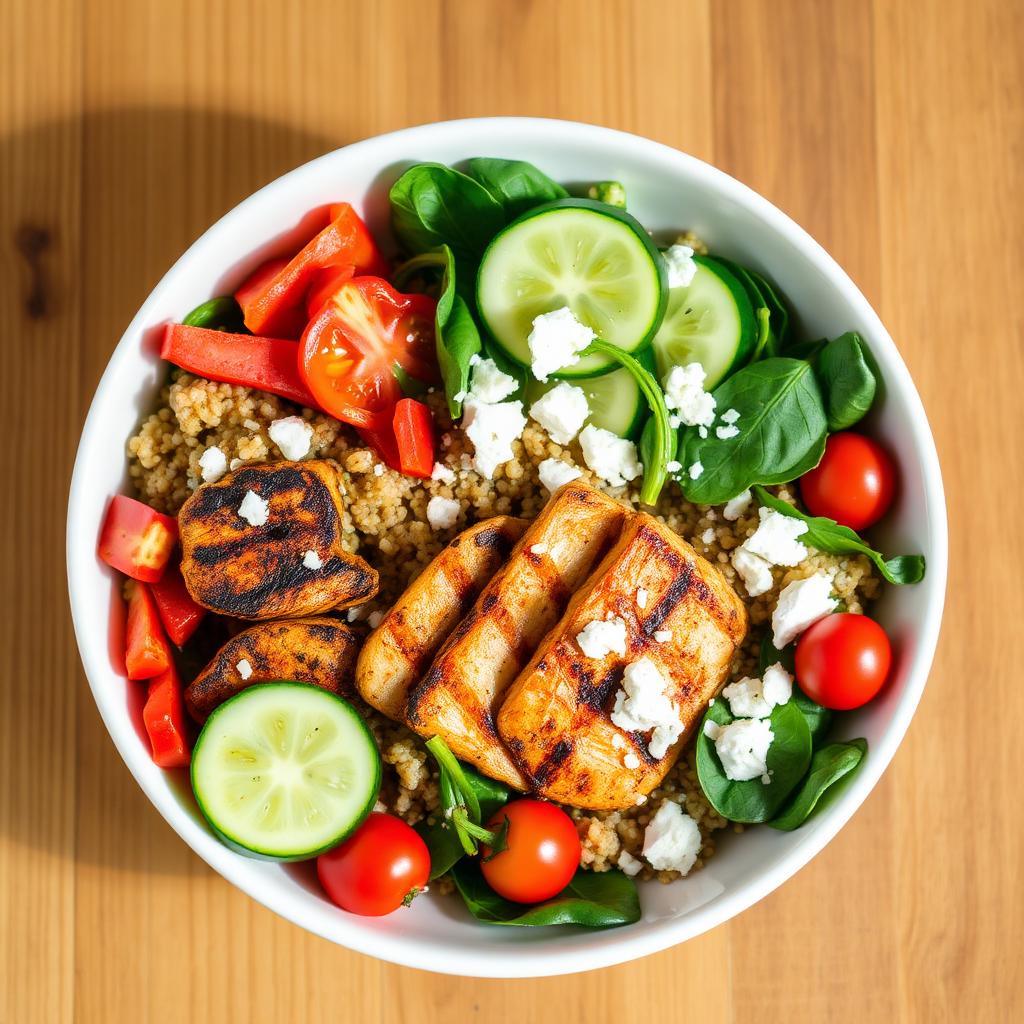
    Low FODMAP Chicken Quinoa Power Bowl — High-Protein IBS-Friendly Lunch — low FODMAP lunch ready to serve
    Sarah Mitchell, RDN
    Written & reviewed by Sarah Mitchell, RDN• Monash FODMAP Trained Dietitian
    Published June 22, 2026Updated July 21, 2026

    This Low FODMAP Chicken Quinoa Power Bowl is the ultimate make-ahead lunch for anyone managing IBS — packed with grilled chicken, fluffy quinoa, baby spinach, cucumber, cherry tomatoes, red bell pepper, and crumbled feta, then finished with a bright lemon olive oil dressing. Ready in 25 minutes, it's naturally gluten-free, high in plant and animal protein, and totally gentle on a sensitive gut. Whether you're prepping Sunday lunches for the week or need a quick post-workout meal, this bowl delivers serious flavor, color, and staying power without triggering symptoms.

    Ingredients

    • 1 cup uncooked quinoa, rinsed
    • 2 cups water
    • 2 boneless skinless chicken breasts (about 400g)
    • 1 tbsp garlic-infused olive oil
    • 1 tsp dried oregano
    • 1/2 tsp paprika
    • Salt and black pepper
    • 2 cups baby spinach

    Cooking the Quinoa

    In a medium saucepan, combine the rinsed quinoa with 2 cups of water and a pinch of salt. Bring to a boil, then reduce to a simmer, cover, and cook for 15 minutes until the water is absorbed.

    Remove from heat, keep covered for 5 more minutes, then fluff with a fork. Set aside to cool slightly.

    Grilling the Chicken

    While the quinoa cooks, season the chicken breasts on both sides with salt, pepper, dried oregano, and paprika. Brush with 1/2 tbsp of garlic-infused olive oil.

    Heat the remaining garlic-infused olive oil in a grill pan or skillet over medium-high heat. Cook the chicken for 5–6 minutes per side, until the internal temperature reaches 165°F (75°C) and the outside is golden. Transfer to a cutting board, rest for 5 minutes, then slice.

    Making the Dressing

    In a small bowl, whisk together the fresh lemon juice, extra-virgin olive oil, chopped chives, a pinch of salt, and a generous grind of black pepper.

    Assembling the Bowls

    Divide the cooked quinoa between 2 large bowls. Top each with baby spinach, cherry tomatoes, cucumber slices, diced red bell pepper, and sliced chicken. Sprinkle with crumbled feta and drizzle generously with the lemon dressing.

    Serve immediately, or pack into airtight containers for meal prep (dressing on the side).

    Meal Prep & Storage

    Assembled bowls (without dressing) keep beautifully in the fridge for 3–4 days. Add the dressing just before eating to keep the spinach crisp.

    Want to swap chicken for tofu or another protein? Use our FODMAP Substitution Finder for safe alternatives, and double-check your favorite veggies with the Low FODMAP Food Checker. Keep portions inside Monash limits with our Portion Calculator.

    Looking for more midday inspiration? Try our Low FODMAP Mediterranean Tuna Salad, or browse the full low FODMAP lunch collection.
    FODMAP Notes

    FODMAP Safety Breakdown:

    This power bowl is fully compliant with the elimination phase of the low FODMAP diet:

    • Quinoa: Low FODMAP up to 1 cup cooked per serve
    • Chicken breast: FODMAP-free protein
    • Baby spinach: Low FODMAP up to 1.5 cups per serve
    • Cherry tomatoes: Low FODMAP up to 5 cherry tomatoes per serve
    • Cucumber: Low FODMAP up to 1/2 cup per serve
    • Red bell pepper: Low FODMAP up to 1/3 cup per serve
    • Feta cheese: Low FODMAP up to 40g per serve
    • Garlic-infused olive oil: Delivers garlic flavor without the fructans (FODMAPs aren''t oil-soluble)
    • Lemon juice & chives (green tops only): FODMAP-free

    Avoid onion, garlic cloves, avocado above 1/8, regular hummus, or balsamic vinegar above 1 tbsp — all high FODMAP.

    Practical Low FODMAP Notes for Low FODMAP Chicken Quinoa Power Bowl — High-Protein IBS-Friendly Lunch

    Low FODMAP Chicken Quinoa Power Bowl — High-Protein IBS-Friendly Lunch is most useful when the serving size stays consistent, because FODMAP tolerance often changes when portions creep upward. Use the listed servings as the starting point, then portion leftovers before storing so the meal stays predictable on busier days. If you are cooking for family members who do not follow a low FODMAP plan, keep onion, garlic, wheat-heavy sides, and high-FODMAP sauces separate at the table instead of mixing them into the main recipe.

    Ingredient notes: this recipe uses 1 cup uncooked quinoa, rinsed, 2 cups water, 2 boneless skinless chicken breasts (about 400g), 1 tbsp garlic-infused olive oil, 1 tsp dried oregano, 1/2 tsp paprika, Salt and black pepper, 2 cups baby spinach, 1 cup cherry tomatoes, halved, 1 medium cucumber, sliced, 1 red bell pepper, diced, 1/4 cup crumbled feta cheese, 2 tbsp fresh lemon juice, 3 tbsp extra-virgin olive oil, 1 tbsp chopped fresh chives (green tops only). Check packaged ingredients carefully, especially broths, spice blends, gluten-free mixes, condiments, and dairy substitutes, because garlic powder, onion powder, inulin, chicory root fiber, high-fructose sweeteners, and wheat-based thickeners can appear in small print. When unsure, choose plain versions and add flavor with garlic-infused oil, fresh herbs, citrus, ginger, chives, scallion greens, or low FODMAP spice blends.

    For IBS-friendly meal prep, cool leftovers quickly and refrigerate in shallow containers. Reheat only the portion you plan to eat, and add fresh herbs, lemon juice, or a small drizzle of garlic-infused oil after reheating to bring the flavor back without relying on high-FODMAP aromatics. If a recipe feels too rich during a flare, pair it with a simple low FODMAP side such as rice, potatoes, quinoa, lettuce, cucumber, carrots, or another tolerated vegetable.

    This recipe is intended for general low FODMAP education, not medical advice. Individual tolerance varies, so use your dietitian’s guidance and your own symptom history when deciding whether to repeat, increase, or modify a serving. During the elimination phase, keep portions conservative; during reintroduction, test one FODMAP group at a time so you can clearly identify personal triggers.

    Helpful next steps: use the FODMAP Food Checker before adding new ingredients, try the Ingredient Swap Tool when a sauce or seasoning is questionable, and save recipes that worked well so you can build a reliable rotation of breakfasts, lunches, dinners, and snacks.

    Storage Tips

    Store in an airtight container in the refrigerator for up to 3-4 days. This recipe freezes well for up to 3 months.

    Recipe FAQs

    Rate this recipe

    Your rating

    Comments (0)

    Please log in to comment.

    No comments yet. Be the first!