Low FODMAP

    Low FODMAP Fried Rice (Shrimp, 20 Min, IBS-Friendly)

    S
    Sarah Mitchell, RDN
    July 1, 2026

    Total Time

    20 min

    Servings

    4

    Prep

    10 min

    Cook

    10 min

    Share:
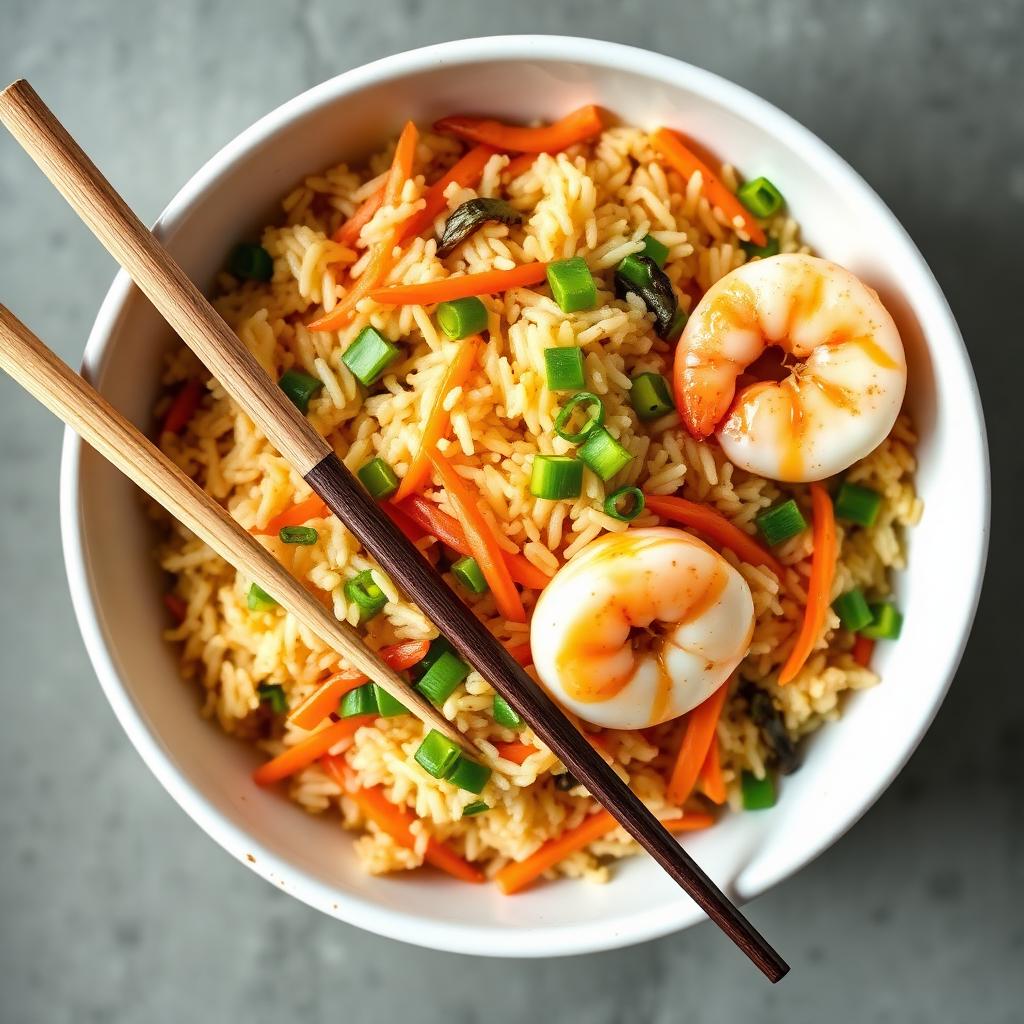
    Low FODMAP Fried Rice (Shrimp, 20 Min, IBS-Friendly) — low FODMAP dinner ready to serve
    Sarah Mitchell, RDN
    Written & reviewed by Sarah Mitchell, RDN• Monash FODMAP Trained Dietitian
    Published July 1, 2026Updated July 21, 2026

    Better-than-takeout fried rice using garlic-infused oil, green spring onion tops, and juicy shrimp — completely IBS-safe and ready in 20 minutes.

    Ingredients

    • 3 cups cooked jasmine rice (day-old, chilled)
    • 300g raw shrimp, peeled and deveined
    • 3 tbsp garlic-infused olive oil
    • 2 large eggs, beaten
    • 1 medium carrot, finely diced
    • 1/2 cup green parts of spring onion, sliced
    • 1 cup baby spinach
    • 3 tbsp gluten-free soy sauce (tamari)
    1. Heat 1 tbsp garlic-infused oil in a wok over high heat. Add shrimp, cook 2 minutes until pink. Remove and set aside.

    2. Add another 1 tbsp oil, pour in beaten eggs. Scramble quickly and remove.

    3. Add remaining 1 tbsp oil. Stir-fry carrot and ginger for 2 minutes.

    4. Add cold jasmine rice, breaking up clumps. Stir-fry 3 minutes until heated through and slightly crispy.

    5. Return shrimp and eggs to the wok. Add spinach, spring onion greens, soy sauce, sesame oil, white pepper, and rice vinegar.

    6. Toss everything for 1–2 minutes until spinach wilts and sauce coats every grain.

    7. Garnish with extra spring onion greens. Serve immediately.

    Serving: 1.5 cups per person (4 servings).

    FODMAP Notes and Serving Tips

    This recipe is designed to keep the flavor of classic fried rice while avoiding the ingredients that most often cause problems: onion, garlic, wheat-based soy sauce, and oversized servings of moderate-FODMAP vegetables. Use garlic-infused oil for aroma, gluten-free tamari for salty depth, and keep vegetables simple.

    For best results, use cold cooked rice so the grains stay separate. Add protein first, then vegetables, then rice, and finish with tamari. If you add extra vegetables, check them in the Low FODMAP Food Checker before cooking. Good add-ins include carrots, bell pepper, spinach, and small portions of edamame if tolerated.

    Serve one moderate bowl with cucumber or a simple side salad. Store leftovers in a sealed container for up to three days and reheat until steaming hot. This recipe is informational only and not medical advice.

    Troubleshooting and Variations

    If the rice turns sticky, spread cooked rice on a tray and chill it before frying. If the dish tastes bland, add more ginger, scallion greens, sesame oil, lime, or garlic-infused oil rather than garlic powder. You can swap shrimp for chicken, eggs, or firm tofu. Avoid frozen mixed vegetables that contain peas, onion, or cauliflower during elimination. Use the Grocery List Builder to plan safe add-ins and the Food Checker if you want to change vegetables.
    FODMAP Notes

    ✅ Uses garlic-infused oil — see Is Garlic Low FODMAP?\n✅ Only green tops of spring onion (whites are high FODMAP fructans).\n✅ Jasmine rice is green at 1 cup cooked — see Is Rice Low FODMAP?\n✅ Tamari/GF soy sauce safe at 2 tbsp per serve — see Is Soy Sauce Low FODMAP?\n⚠️ Keep spinach to 1.5 cups total to avoid oxalate stacking.\n\nDay-old rice fries better AND is easier on the gut (resistant starch). Pair with low FODMAP stir fry sauce for extra flavor.

    Practical Low FODMAP Notes for Low FODMAP Fried Rice (Shrimp, 20 Min, IBS-Friendly)

    Low FODMAP Fried Rice (Shrimp, 20 Min, IBS-Friendly) is most useful when the serving size stays consistent, because FODMAP tolerance often changes when portions creep upward. Use the listed servings as the starting point, then portion leftovers before storing so the meal stays predictable on busier days. If you are cooking for family members who do not follow a low FODMAP plan, keep onion, garlic, wheat-heavy sides, and high-FODMAP sauces separate at the table instead of mixing them into the main recipe.

    Ingredient notes: this recipe uses 3 cups cooked jasmine rice (day-old, chilled), 300g raw shrimp, peeled and deveined, 3 tbsp garlic-infused olive oil, 2 large eggs, beaten, 1 medium carrot, finely diced, 1/2 cup green parts of spring onion, sliced, 1 cup baby spinach, 3 tbsp gluten-free soy sauce (tamari), 1 tbsp sesame oil, 1/2 tsp white pepper, 1 tbsp fresh ginger, grated, 1 tsp rice vinegar, Extra spring onion greens, to garnish. Check packaged ingredients carefully, especially broths, spice blends, gluten-free mixes, condiments, and dairy substitutes, because garlic powder, onion powder, inulin, chicory root fiber, high-fructose sweeteners, and wheat-based thickeners can appear in small print. When unsure, choose plain versions and add flavor with garlic-infused oil, fresh herbs, citrus, ginger, chives, scallion greens, or low FODMAP spice blends.

    For IBS-friendly meal prep, cool leftovers quickly and refrigerate in shallow containers. Reheat only the portion you plan to eat, and add fresh herbs, lemon juice, or a small drizzle of garlic-infused oil after reheating to bring the flavor back without relying on high-FODMAP aromatics. If a recipe feels too rich during a flare, pair it with a simple low FODMAP side such as rice, potatoes, quinoa, lettuce, cucumber, carrots, or another tolerated vegetable.

    This recipe is intended for general low FODMAP education, not medical advice. Individual tolerance varies, so use your dietitian’s guidance and your own symptom history when deciding whether to repeat, increase, or modify a serving. During the elimination phase, keep portions conservative; during reintroduction, test one FODMAP group at a time so you can clearly identify personal triggers.

    Helpful next steps: use the FODMAP Food Checker before adding new ingredients, try the Ingredient Swap Tool when a sauce or seasoning is questionable, and save recipes that worked well so you can build a reliable rotation of breakfasts, lunches, dinners, and snacks.

    Storage Tips

    Store in an airtight container in the refrigerator for up to 3-4 days. This recipe freezes well for up to 3 months.

    Recipe FAQs

    Rate this recipe

    Your rating

    Comments (0)

    Please log in to comment.

    No comments yet. Be the first!